
Wagyu
Overview
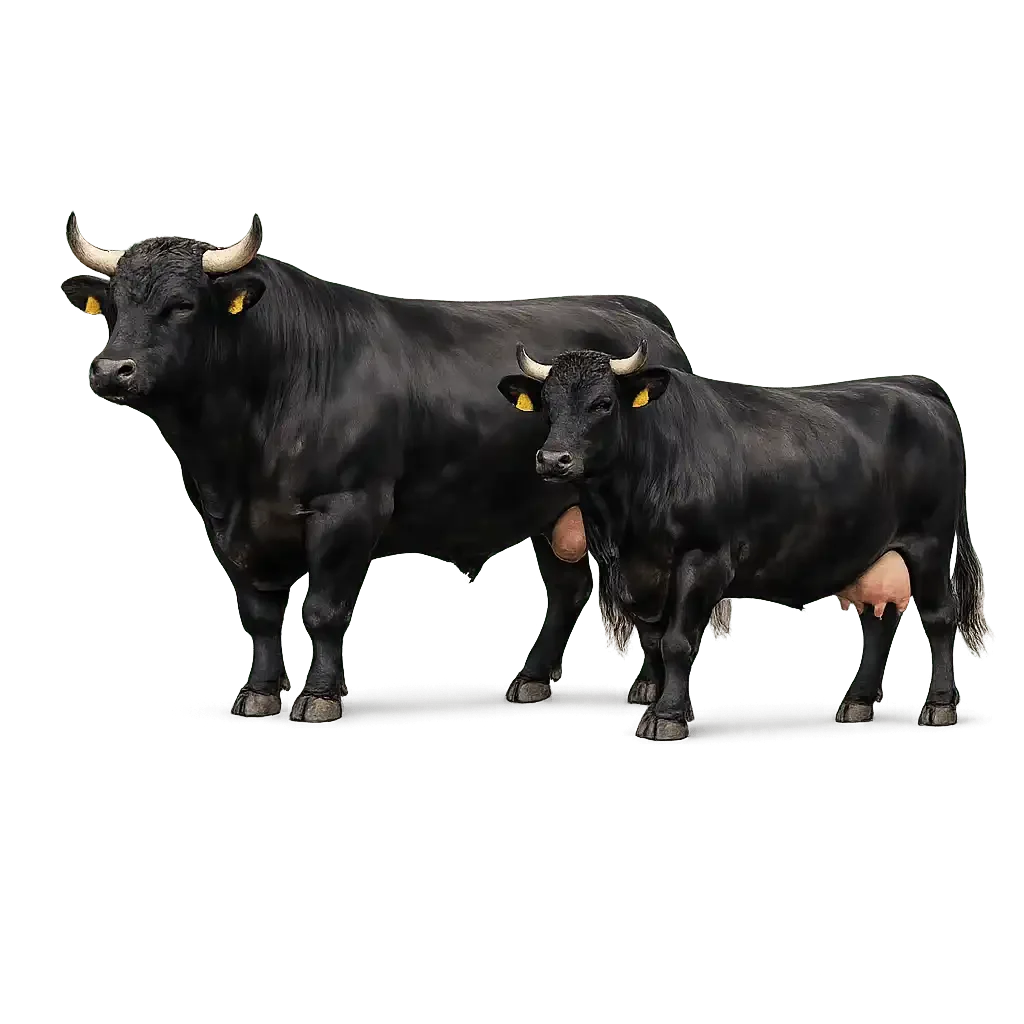
Wagyu cattle, meaning "Japanese cattle," represent the world's most prestigious and sought-after beef breed, renowned for producing extraordinarily marbled, tender, and flavorful meat. Originating from Japan where they were developed over centuries through meticulous selective breeding, Wagyu cattle are genetically predisposed to intense intramuscular marbling that creates the signature "snowflake" pattern of fat throughout the meat. This unique marbling, combined with a rich umami flavor and buttery texture, has made Wagyu beef a luxury culinary product commanding premium prices globally. The breed includes several strains - Japanese Black, Japanese Brown, Japanese Polled, and Japanese Shorthorn - with Japanese Black being the most common. Wagyu cattle require specialized management, extended feeding periods, and careful attention to genetics, making them ideal for producers targeting ultra-premium beef markets and discerning consumers willing to pay top dollar for exceptional quality.
Origin & History
Origin: Japan (various regions including Tajima, Tottori, Shimane)
Development Period: Developed over 2,000+ years from native Japanese cattle
Name Origin: "Wa" (Japanese) + "gyu" (cattle) = Japanese cattle
Original Use: Draft animals for agriculture; meat consumption secondary until recent centuries
U.S. Introduction: First imported to United States in 1976 (only 4 bulls)
Japan Export Ban: Live cattle export banned from Japan in 1997 to protect genetic heritage
Recognition: American Wagyu Association established 1990
Modern Status: World's most exclusive and expensive beef breed
Global Presence: Raised in Japan, USA, Australia, with strict breeding protocols
Cultural Significance: Protected as national treasure in Japan; regional strains (Kobe, Matsusaka) highly valued
Physical Characteristics
Color: Predominantly black; also red/brown varieties
Build: Medium-framed, well-muscled with moderate bone structure
Weight: Bulls 2,000-2,600 lbs; Cows 1,200-1,500 lbs
Height: Bulls 55-60 inches at shoulder; Cows 50-55 inches
Distinctive Features:
Exceptional genetic predisposition for intramuscular fat (marbling)
Smooth, shiny coat
Moderate frame size compared to commercial beef breeds
Well-proportioned body with good muscle development
Both horned and polled varieties exist
Fine bone structure
Docile expression and calm demeanor
Japanese Black: Most common, intense marbling ability
Japanese Brown (Akaushi): Red/brown coat, leaner than Black
Japanese Polled and Shorthorn: Less common varieties
Reproduction & Breeding
Gestation Period: Approximately 285-290 days
Breeding Age: Heifers bred at 15-18 months for first calving at 24-27 months
Calving: Generally easy calving with minimal assistance
Calf Birth Weight: 60-80 lbs (moderate, manageable size)
Calving Interval: 365-400 days target
Fertility: Good fertility rates with proper nutrition and management
Breeding Season: Year-round breeding capability
Sexual Maturity: Bulls mature at 15-18 months
Purebreeding: Strict pedigree requirements for registered fullblood Wagyu
Crossbreeding: Often crossed with Angus to increase marbling in commercial cattle
Lifespan & Productivity
Average Lifespan: 15-20 years
Productive Life: Cows typically produce 10-12 calves in lifetime
Prime Production Years: 3-12 years of age
Longevity: Excellent longevity with proper care
Stayability: Cows remain productive into their teens
Milk Production
Purpose: Beef breed; milk production secondary
Production Level: Moderate milk production adequate for calf rearing
Maternal Ability: Good mothers with strong maternal instincts
Calf Nutrition: Produce sufficient milk to raise healthy, vigorous calves
Not Used For: Not utilized for commercial dairy production
Calf Growth & Development
Weaning Weight: 450-550 lbs at 205 days
Daily Gain: 2.0-3.0 lbs per day on high-energy diets
Market Weight: 1,200-1,500 lbs at 28-36 months (extended feeding)
Feed Efficiency: Moderate efficiency; longer feeding period required
Carcass Weight: 700-900 lbs hanging weight
Vigor: Calves are hardy and vigorous from birth
Growth Pattern: Slower growth than commercial breeds but superior marbling development
Temperament
Wagyu cattle are celebrated for their exceptionally calm, docile, and gentle temperament, a trait that has been carefully selected for over generations. They are remarkably easy to handle, displaying minimal flight response and adapting well to various management practices. Wagyu's peaceful nature makes them suitable for intensive feeding operations, small farms, and even showmanship. They respond well to quiet handling and develop trust with their caretakers readily.
The breed's temperament is not only beneficial for ease of management but also contributes to meat quality - calm cattle experience less stress, which positively impacts tenderness and eating quality. Cows demonstrate excellent maternal behavior, being attentive and protective without excessive aggression. Bulls are generally manageable compared to other beef breeds, though all bulls require proper respect and handling facilities. The combination of docility, intelligence, and adaptability makes Wagyu cattle pleasant animals to work with while producing the world's finest beef.
Meat Quality
Marbling: Extreme intramuscular marbling - highest of any breed (BMS 8-12 common; up to BMS 12)
Flavor: Exceptional, rich umami flavor with buttery, sweet notes
Tenderness: Extraordinarily tender - virtually "melts in mouth"
Grading: Typically grades Prime or above; many achieve beyond-Prime Japanese grades
Dressing Percentage: 60-65% (excellent yield)
Fat Composition: High percentage of monounsaturated fats; lower melting point
Omega Fatty Acids: Higher in omega-3 and omega-6 than conventional beef
Market Appeal: Commands highest prices in beef industry ($150-$300+ per pound retail)
Texture: Fine grain, silky texture throughout
Consistency: Remarkable consistency in quality when properly finished
Culinary Status: Considered world's finest beef by chefs and gourmands globally
Feeding & Nutrition
Grazing: Can utilize pasture but grain finishing essential for marbling
Feed Requirements: High-energy, grain-based diets for 400-650 days
Finishing Period: 20-30 months on feed (much longer than commercial cattle)
Daily Intake: 25-35 lbs of high-quality feed during finishing
Water: 10-15 gallons per day; clean, fresh water critical
Mineral Needs: Comprehensive mineral supplementation required
Feed Quality: Premium grains (corn, barley) and quality forages essential
Traditional Japanese Diet: Beer, sake mash, and specialized feeds in some programs
Marbling Development: Nutrition critically important; high-energy diet required
Feed Cost: Extended feeding period results in high total feed costs
Health & Care
Hardiness: Hardy cattle that adapt well to various climates
Common Issues: Generally healthy; standard beef cattle health protocols
Vaccinations: Standard cattle vaccination programs
Parasite Control: Regular deworming and parasite management
Hoof Care: Minimal hoof problems; trimming as needed
Climate Adaptation: Adapt to diverse climates from hot to cold
Heat Tolerance: Good heat tolerance with shade and water
Cold Tolerance: Excellent cold hardiness
Special Care: Stress reduction important for optimal meat quality
Veterinary Needs: Standard beef cattle veterinary care
Premium Beef Production Suitability
Production Systems: Excel in feedlot and intensive finishing operations
Scale: Suitable for small specialty operations to larger programs
Infrastructure Needs: Quality feeding facilities; low-stress handling important
Labor Requirements: Moderate labor; gentle nature eases handling
Management Intensity: Requires dedicated attention to genetics, nutrition, finishing
Marketing: Direct-to-consumer, high-end restaurants, specialty retailers
Traceability: Detailed record-keeping essential for premium market
Advantages
Produces world's most marbled, tender, and flavorful beef
Commands highest prices in beef market - exceptional profit potential
Exceptionally calm, docile, and easy to handle
Easy calving with moderate birth weights
Excellent feed-to-marbling conversion
Strong global brand recognition and prestige
Good maternal characteristics and fertility
Hardy and adaptable to various climates
Crossbreeds well with other breeds to improve marbling
Growing demand in luxury food markets worldwide
Long productive life and excellent longevity
Health benefits from high monounsaturated fat content
Excellent dressing percentage
Disadvantages
Extremely long feeding period (28-36 months) increases costs
High feed costs due to extended grain finishing
Slower growth rate than commercial beef breeds
Higher initial investment for quality genetics
Requires specialized marketing for premium prices
Limited availability of pure Japanese genetics
Not suitable for commodity beef markets
Requires patient investors due to long production cycle
Must educate consumers to achieve premium pricing
Smaller carcass size than commercial breeds
Complex grading and authentication systems
Best Suited For
Premium beef producers targeting luxury markets
Direct-to-consumer farm operations
Producers with access to high-end restaurants and retailers
Operations focused on quality over quantity
Farmers willing to invest in extended finishing programs
Producers with strong marketing and branding capabilities
Small to medium-scale specialty beef operations
Breeders selling genetics and breeding stock
Agritourism farms offering premium products
Producers in areas with affluent consumer base
Operations using Wagyu genetics in crossbreeding programs
Farmers passionate about producing world-class beef
Economic Considerations
Initial Cost: $3,000-$10,000+ for registered breeding stock; elite genetics much higher
Return on Investment: Exceptional ROI when marketed properly to premium buyers
Feed Costs: $1,500-$2,500+ per animal due to extended feeding (28-36 months)
Retail Prices: $150-$300+ per pound for authentic Wagyu beef
Wholesale Prices: $25-$50+ per pound to restaurants
Market Demand: Growing demand in luxury dining and specialty markets
Breeding Stock Value: Quality breeding animals command premium prices
Production Timeline: 3-4 years from breeding to market (longer investment period)
Profit Margin: High margins when marketed to right customers
Crossbred Value: Wagyu-cross cattle bring premiums over conventional beef
Wagyu Strains & Bloodlines
Japanese Black (Kuroge Washu): Most common; superior marbling ability; includes famous Tajima bloodline (Kobe beef source)
Japanese Brown (Akaushi): Red/brown color; leaner than Black; excellent flavor; lighter marbling
Japanese Polled (Mukaku Washu): Naturally hornless; rare; good marbling
Japanese Shorthorn (Nihon Tankaku Washu): Rarest variety; moderate marbling; hardy
Fullblood: 100% pure Japanese genetics; highest value
Purebred: 93.75%+ Wagyu genetics; commercially viable
F1 (50% Wagyu): Common commercial cross; good marbling improvement
Japanese Regional Wagyu Designations
Kobe Beef: From Tajima strain in Hyogo Prefecture; most famous; strict requirements
Matsusaka Beef: From Mie Prefecture; intense marbling; virgin females only
Omi Beef: From Shiga Prefecture; oldest brand; over 400 years history
Miyazaki Beef: From Miyazaki Prefecture; championship winner; excellent marbling
Sendai Beef: From Miyagi Prefecture; quality brand recognition
Regional Certification: Each designation has strict breeding, feeding, and quality standards
Fun Facts
Wagyu beef can contain up to 50% intramuscular fat-creating the "snowflake" marbling pattern
Authentic Japanese Wagyu can sell for over $300 per pound at retail
The marbling in Wagyu beef melts at lower temperature than other beef, creating the "melt in your mouth" sensation
Only four Wagyu bulls were exported from Japan to the USA before the 1997 export ban
Kobe beef accounts for only 0.06% of beef consumed annually in Japan - extremely exclusive
Wagyu genetics have been so protected that Japan considers them a national treasure
The Japanese Beef Marbling Standard (BMS) goes up to 12; most U.S. Prime beef rates 4-5
Some Japanese Wagyu are raised with massage and beer feeding - though practices vary widely
A single Wagyu cow can be worth $30,000 or more for breeding purposes
Wagyu cattle have a genetic predisposition for intramuscular fat that other breeds lack
The first Wagyu outside Japan were brought to the US for research purposes in 1976
Australia is now the largest Wagyu producer outside Japan
Wagyu beef contains higher percentages of omega-3 and omega-6 fatty acids than conventional beef
A Wagyu steak at high-end restaurants can cost $200-$400 per serving
Wagyu crossbreeding has revolutionized beef quality in commercial herds worldwide
To truly honor the world-class marbling of this breed, you must match the cut to the right heat; explore the best methods in our Complete Guide to Beef Cuts.