
Abacot Ranger
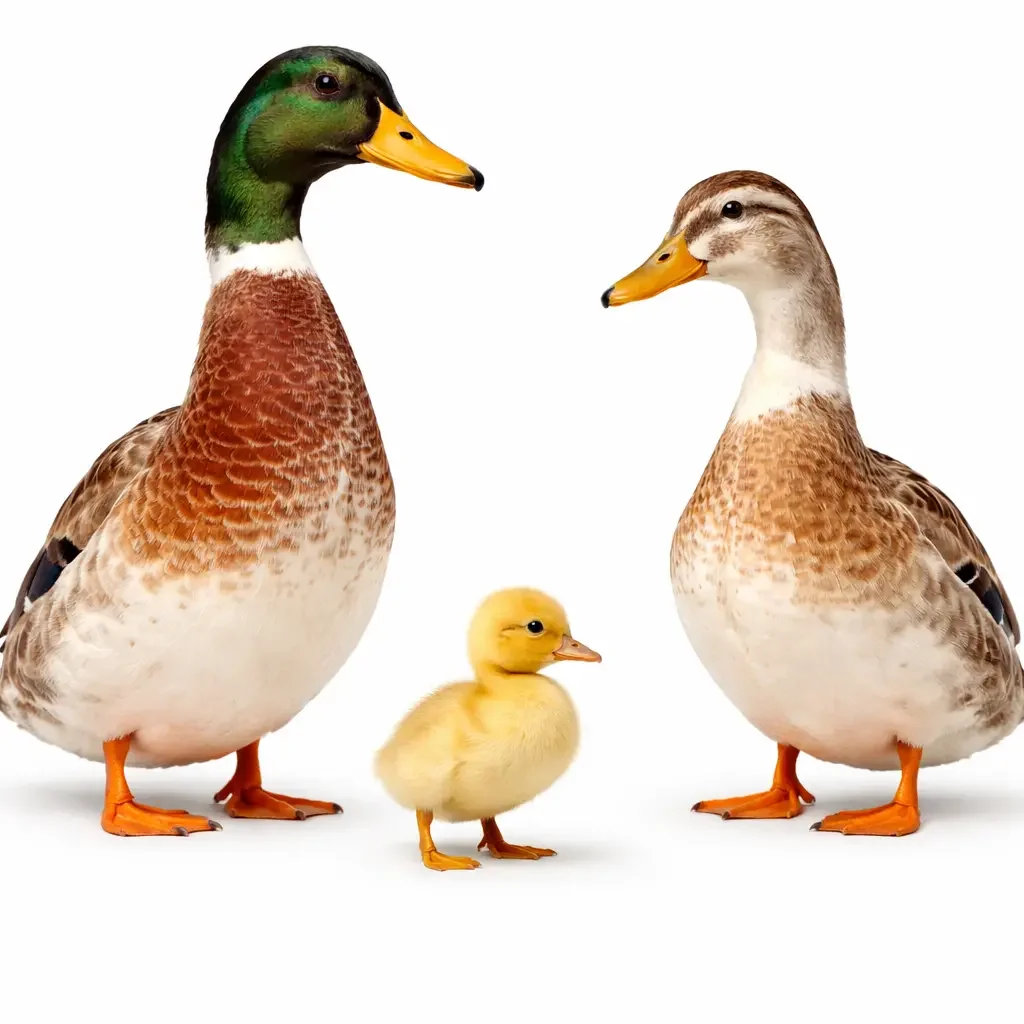
The Abacot Ranger is one of the most interesting and least-known productive duck breeds in the English-language poultry world. Developed in Essex, England, during and after World War I, the breed scored the highest marks in its section at the Wye College egg-laying trials in 1922 and 1923, only to effectively disappear from British breeding records within a few years. It survived because German breeders recognized its quality, standardized it as the Streicher-Ente in 1934, and maintained clean bloodlines through the mid-20th century. It returned to Britain in the 1970s from Germany and has been building a modest but committed following ever since. In North America it remains genuinely rare, known to some as the Hooded Ranger for the distinctive fawn-buff feather hood that gives the hen her most immediately recognizable feature. For Midwest homesteaders who want a light dual-purpose heritage duck that lays reliably, forages actively, carries unusual two-phase seasonal plumage, and has a survival story worth knowing, the Abacot Ranger is a rewarding and underappreciated choice.
Quick Facts
Class: Light
Weight: Drakes approximately 6.6 pounds (3 kg); hens approximately 5.5 pounds (2.5 kg)
Egg Production: 180 to 200 white eggs per year under standard management; the 1922 Wye College team of four averaged 233.75 eggs per bird
Egg Color: White
Egg Size: Large; 60 to 70 grams
Primary Purpose: Dual purpose; eggs and meat; also kept for exhibition
Temperament: Calm, peaceful, friendly; tameable with handling; active and energetic outdoors
Brooding: Yes; hens are decent sitters and capable mothers; light body weight means reduced egg-crushing risk during incubation
Flight Capability: Rarely flies; a low fence is sufficient for containment under normal conditions
British Waterfowl Association Recognition: 1983
APA Recognition: Not currently recognized by the American Poultry Association
Country of Origin: Colchester, Essex, United Kingdom
Year Developed: 1917 to 1922 (Oscar Gray, Abacot Duck Ranch)
Also Known As: Hooded Ranger (United States), Streicher-Ente or Streicher (Germany and Eastern Europe), Le Canard Streicher (France and Belgium)
Lifespan: 10 or more years; experienced breeders report productive hens past 13 years
Image Section
Feature image: Abacot Ranger hen showing the distinctive fawn-buff hood, creamy white body with light brown streaking, and slate-colored billSecondary image: Abacot Ranger drake in nuptial plumage showing the iridescent green hood, white neck ring, and rich reddish-brown flanksThird image: Abacot Ranger drake in eclipse plumage showing the darker, more muted coloring that differs significantly from nuptial plumage
Breed Overview
Oscar Gray operated the Abacot Duck Ranch at Friday Wood near Colchester in Essex, England. The name Abacot derived from Abbott's Cottages, his home address. Working between 1917 and 1922, Gray noticed white sports occurring naturally among his Khaki Campbell flock and crossed these white-spotted individuals to white Indian Runner drakes. The progeny, initially called Hooded Rangers for the characteristic head coloring of the hens, were entered into the Wye College Duck Laying Trials in 1922 and 1923, where the team of four hens averaged 233.75 eggs per bird and took first place in their section. The name was changed to Abacot Ranger for the subsequent trials at Bentley and remained so.
Despite this strong start, the breed declined in Britain. It was exported to Germany, arriving via Denmark in 1926, where breeder H. Lieker worked to stabilize the color genetics and establish a consistent type. Lieker's Abacot Ranger was standardized in Germany in 1934 as the Streicher-Ente, meaning Ranger Duck, and became popular across Germany and Eastern Europe. In Germany the breed is sometimes referred to informally as Liekers Streiferente, meaning Lieker's Ranger, in acknowledgment of his role in preserving and refining it.
The British lines of the same period suffered from what experienced breeders describe as contamination through crosses with Whalesbury hybrids, a popular hybrid type developed by Captain Leslie Bonnet whose drake bore a close enough resemblance to the Abacot Ranger to create confusion and accidental mixing. Many of the British bloodlines from the 1960s are considered genetically impure as a result. The breed was returned to Britain from Germany in the 1970s and 1980s, and the British Waterfowl Association standardized it in 1983. The clean German-descended bloodlines are now considered the most reliable source for genetically sound Abacot Ranger stock in Britain.
In North America the Abacot Ranger is genuinely rare, not APA-recognized, and sourced through specialty waterfowl breeders and importers. It is known in some American sources as the Hooded Ranger, reviving the breed's original working name.
Plumage and Appearance
The Abacot Ranger is one of the few domestic duck breeds that carries two distinct adult plumage phases: nuptial plumage during the breeding season and eclipse plumage outside of it. This seasonal plumage cycling is shared with wild Mallards and reflects the breed's light, active character and relatively close connection to its wild ancestors compared to heavier, more domesticated breeds.
The hen's appearance is more consistent across seasons than the drake's. She carries a fawn-buff colored hood on the head, which is the feature that gave the breed its original name, Hooded Ranger. The body is creamy white, beautifully streaked and marked with light brown on the breast and flanks. During eclipse the hen's head becomes more heavily pigmented, the breast darkens, and the flank markings become more extensive, though the basic pattern remains readable. Her bill is a dark slate-gray and darkens with age. Legs are orange.
The drake's appearance changes substantially between seasons. In nuptial plumage he is striking: an iridescent green hood contrasting against a white neck ring, rich reddish-brown flanks and breast, and silver-white vermiculated back and wing coverts. In eclipse plumage the green hood turns black, the body color mutes and darkens, and the overall effect is quite different from the breeding-season drake. This two-phase plumage means that observers encountering the breed only in eclipse may not recognize the same bird they saw during breeding season.
Sexing at eight weeks is straightforward from bill color: drakes have olive-green bills and hens have dark slate-gray bills. This bill-color dimorphism is reliable and consistent, making early flock management decisions practical without the need to wait for full adult plumage. Ducklings are frequently confused with Miniature Appleyard and Welsh Harlequin ducklings; experienced breeders note that Abacot Ranger ducklings are typically the largest and hungriest of the three, and wing bar color differences at full feathering confirm the distinction.
The Abacot Ranger shares its color genetics with the Silver Bantam, Silver Runner, and Silver Call duck, expressing the Harlequin phase and dusky alleles. The distinction from the Welsh Harlequin is the absence of the brown dilution gene, which gives the Welsh Harlequin's drake a bronze rather than pure green hood and gives the hen's breast a honey-fawn ground color rather than the Abacot Ranger's crisper white-and-fawn streaking.
Egg Production
The Abacot Ranger's Wye College performance, a team average of 233.75 eggs per bird taking first place in the trials, established its laying credentials from the start. Standard documented production for the breed is 180 to 200 white eggs per year, which places it in the solid productive range for a light dual-purpose breed, comparable to the Welsh Harlequin and above most medium to heavyweight breeds.
Eggs are white, large at 60 to 70 grams, and increase in size as hens mature. One experienced keeper with a flock of ten-year-old hens reports double-yolk eggs as a regular occurrence in older birds, which while not useful for hatching, are notable for table use. Production reportedly continues reliably through multiple years, with some hens remaining productive past ten years of age.
Hens are decent broodies with good maternal instincts, and the breed's light body weight is a practical advantage during natural incubation. Heavy breeds can inadvertently crush eggs during the incubation period; the Abacot Ranger's lighter frame reduces this risk. Incubation runs 26 to 28 days.
Meat Quality
The Abacot Ranger was developed as a dual-purpose breed and produces a reasonable table bird alongside its laying utility. Average dressed weight runs approximately four to six pounds at harvest, lighter than heavyweight meat breeds but acceptable for a light dual-purpose duck. The meat is lean and flavorful and produces a carcass that one source describes as better suited to the table than the Khaki Campbell due to the Abacot Ranger's slightly larger frame and bill, though the Campbell's extraordinary egg production makes direct comparison somewhat beside the point.
In its home country and across Germany and Eastern Europe the Abacot Ranger has been valued as a genuine dual-purpose utility bird. In North America the meat side of the equation is less documented, but the breed's Indian Runner and Khaki Campbell parentage suggests lean, moderately flavorful duck meat suited to roasting and braised preparations.
Best Preparations
The Abacot Ranger's lean, flavorful meat suits simple whole roasting at moderate heat with aromatic herbs and citrus, allowing the breed's natural character to express without competing fat from a heavier bird. Pan-seared breast to medium doneness suits the lean meat profile. Braising preparations where added moisture compensates for lower fat content produce tender, flavorful results from the legs and thighs.
Temperament and Behavior
The Abacot Ranger is a peaceful, calm breed that becomes noticeably tame with regular handling from young. It is active outdoors in the manner of its Indian Runner and Khaki Campbell ancestors, foraging throughout the day when given access to range, and is described by multiple sources as an excellent forager well suited to orchard and pasture management where it will spend its time productively searching for invertebrates, plant material, and insects. Orchards with fox-proof management are specifically recommended as an ideal environment by British keepers, and the breed's slug and snail foraging makes it a practical pest control partner in garden and orchard settings.
The breed rarely flies under normal conditions. A modest fence is sufficient to contain it in most management situations, unlike the Alabio or some lighter breeds that retain meaningful flight capability. This low-flight tendency simplifies open-range management considerably.
Drake behavior is notable for nest protection: drakes actively chase away other ducks from the nest area when hens are brooding, providing a natural nest defense function in mixed flocks.
Climate Adaptability
The Abacot Ranger was developed in the maritime climate of Essex, England, and managed across Germany and Eastern Europe through the 20th century, giving it genuine cold-weather adaptability. It handles Midwest winters well with appropriate shelter, wind protection, and access to unfrozen water. The breed's long productive lifespan and hardy constitution, emphasized consistently by experienced keepers, suggests broad climate tolerance.
Summer heat management follows standard light breed practice: shade, cool water, and reduced confinement density during peak summer conditions. The breed's active foraging character means it manages its own comfort more effectively than more sedentary heavyweight breeds.
Housing and Management
Light duck housing standards apply: four square feet of indoor floor space per bird, generous outdoor access, and a fence height of two to three feet is generally adequate given the breed's low-flight tendency. Orchard and pasture access with fox or ground predator protection are the optimal management environments for the Abacot Ranger's foraging character.
Sexing from eight weeks by bill color makes early flock composition management practical and eliminates the wait for full adult plumage that other breeds require. This is a useful management advantage for breeders balancing drake-to-hen ratios in breeding flocks.
Breeding flock selection should prioritize birds from German-descended bloodlines where possible, given the documented contamination of British bloodlines from the 1960s. Bill color verification at eight weeks helps identify off-type birds early in a breeding program.
Sourcing Considerations
The Abacot Ranger is not APA-recognized and is not available from mainstream North American hatcheries. Sourcing requires specialty waterfowl breeders with genuine Abacot Ranger bloodlines, which are rare in North America. British and German breeders maintain the most reliable populations, and importation of eggs or birds from Germany or Britain may be the most practical route to verified pure stock for North American homesteaders committed to the breed.
The breed's survival story emphasizes the importance of bloodline verification: the confusion with Welsh Harlequins (similar plumage), Miniature Appleyards (similar duckling appearance), and Whalesbury hybrids (similar drake appearance) has produced impure lines in multiple countries. Bill color at eight weeks and adult plumage evaluation against the British Waterfowl Association standard are the primary verification tools.
Pros and Cons
Pros
180 to 200 white eggs per year under standard management; 233.75 egg average at the 1922 Wye College trials
Distinctive two-phase seasonal plumage: iridescent green-hooded nuptial drake and buff-hooded hen are both genuinely beautiful
Easy early sexing from bill color at eight weeks: olive-green for drakes, dark slate for hens
Decent broody hen with light frame that reduces egg-crushing risk during natural incubation
Active, productive forager suited to orchard and pasture management
Rarely flies; low fence sufficient for containment
Long-lived and hardy; productive lifespan of ten or more years documented
Calm, peaceful temperament; tameable with regular handling
Genuine survival story: saved from extinction by German breeders and returned to Britain from Germany
Cons
Not APA-recognized; rare in North America and difficult to source
Bloodline integrity requires verification; contamination of British lines from 1960s Whalesbury crosses is documented
Eclipse plumage significantly changes the drake's appearance and can cause identification confusion
Frequently confused as ducklings with Welsh Harlequin and Miniature Appleyard
Lighter dressed carcass than heavyweight meat breeds
Egg production of 180 to 200 is solid but below the Khaki Campbell's 250 to 340
Limited North American keeper network and breed support resources
Profitability
The Abacot Ranger's dual-purpose credentials, unusual seasonal plumage, and survival story provide a distinctive positioning for direct-to-consumer, specialty, and conservation-focused marketing. Eggs from a verified Abacot Ranger flock carry a heritage and provenance story that differentiates them in farmers market settings. Breeding stock, hatching eggs, and ducklings from clean, verified bloodlines are in steady demand from the small but committed network of British and European breeders and from North American keepers interested in rare heritage breeds.
The breed's active foraging reduces feed costs compared to more sedentary breeds, and its long productive lifespan means lower replacement costs than breeds with shorter productive careers.
Comparison With Related Breeds
Khaki Campbell: The Abacot Ranger shares Indian Runner and Khaki Campbell ancestry with the Welsh Harlequin and is frequently grouped with the Campbell in discussions of light British laying breeds. The Campbell outperforms the Abacot Ranger in raw egg production at 250 to 340 eggs per year versus 180 to 200, is far more widely available in North America, and has APA recognition. The Abacot Ranger offers better dual-purpose meat utility, more interesting seasonal plumage, and a conservation significance the Campbell does not share.
Welsh Harlequin: The closest visual and genetic relative in the British light duck group. The Welsh Harlequin and Abacot Ranger share similar plumage genetics but differ in the brown dilution gene, which gives the Welsh Harlequin's drake a bronze hood and the hen a honey-fawn breast ground color. Both lay in comparable ranges, both are light dual-purpose breeds, and both are heritage conservation birds in North America. The Welsh Harlequin is more widely available in the United States; the Abacot Ranger is rarer and more unusual.
Ancona Duck: Another light to medium-weight dual-purpose heritage breed with Watch conservation status in the United States. The Ancona delivers comparable egg production with multicolor eggs and a distinctive random-pattern plumage. Both are underappreciated productive heritage breeds; the Ancona has more North American conservation infrastructure while the Abacot Ranger has a longer and more internationally documented history.
Final Verdict
The Abacot Ranger's story is one of deserved recognition repeatedly interrupted by circumstance: it won the Wye College trials and disappeared from Britain; it survived through Germany and returned to Britain a generation later; it remains virtually unknown in North America despite genuine productive merit and one of the more distinctive appearances in the light duck class. The two-phase seasonal plumage, the easy early sexing, the decent broodiness in a light breed, the orchard and pasture foraging character, and the ten-year productive lifespan all mark it as a breed that rewards the homesteader willing to seek it out. For Midwest homesteaders who want a light heritage laying duck with beauty, hardiness, genuine history, and a survival story worth supporting, the Abacot Ranger is a compelling choice that the domestic duck directory is better for including.
Frequently Asked Questions
How many eggs do Abacot Ranger ducks lay? Under standard management the breed produces 180 to 200 large white eggs per year. The team entered at the 1922 Wye College trials averaged 233.75 eggs per bird and took first place in their section, demonstrating the breed's ceiling under optimized management conditions.
What is eclipse plumage in Abacot Ranger ducks? The Abacot Ranger is a genetically silver duck that cycles between two adult plumage phases each year. Nuptial plumage, worn during the breeding season, shows the drake's iridescent green hood, white neck ring, and reddish-brown flanks. Eclipse plumage, worn outside the breeding season, replaces the green with black, mutes the body color, and makes both sexes darker overall. Hens also darken during eclipse, with heavier head pigmentation and darker breast markings.
How do I sex Abacot Ranger ducks early? Bill color at eight weeks is reliable: drakes have olive-green bills and hens have dark slate-gray bills. This makes early sex identification straightforward without waiting for full adult plumage development.
Are Abacot Rangers available in the United States? Not from mainstream hatcheries. The breed is not APA-recognized and requires sourcing through specialty waterfowl breeders. British and German breeders maintain the most reliable populations. Some North American breeders maintain small flocks but availability is limited and requires research.
Do Abacot Rangers go broody? Yes. Hens are decent broodies and capable mothers. The breed's light body weight reduces the egg-crushing risk that can affect heavier broody breeds during natural incubation. This broodiness combined with the breed's laying rate makes natural flock expansion practical.
Why is the Abacot Ranger called the Hooded Ranger in America? The original name Oscar Gray gave his new breed in 1917 was Hooded Ranger, referring to the fawn-buff feather hood visible on the hen's head. The name was changed to Abacot Ranger after the breed's first major formal trial. Some North American sources retain the original Hooded Ranger name.