
Welsh Harlequin
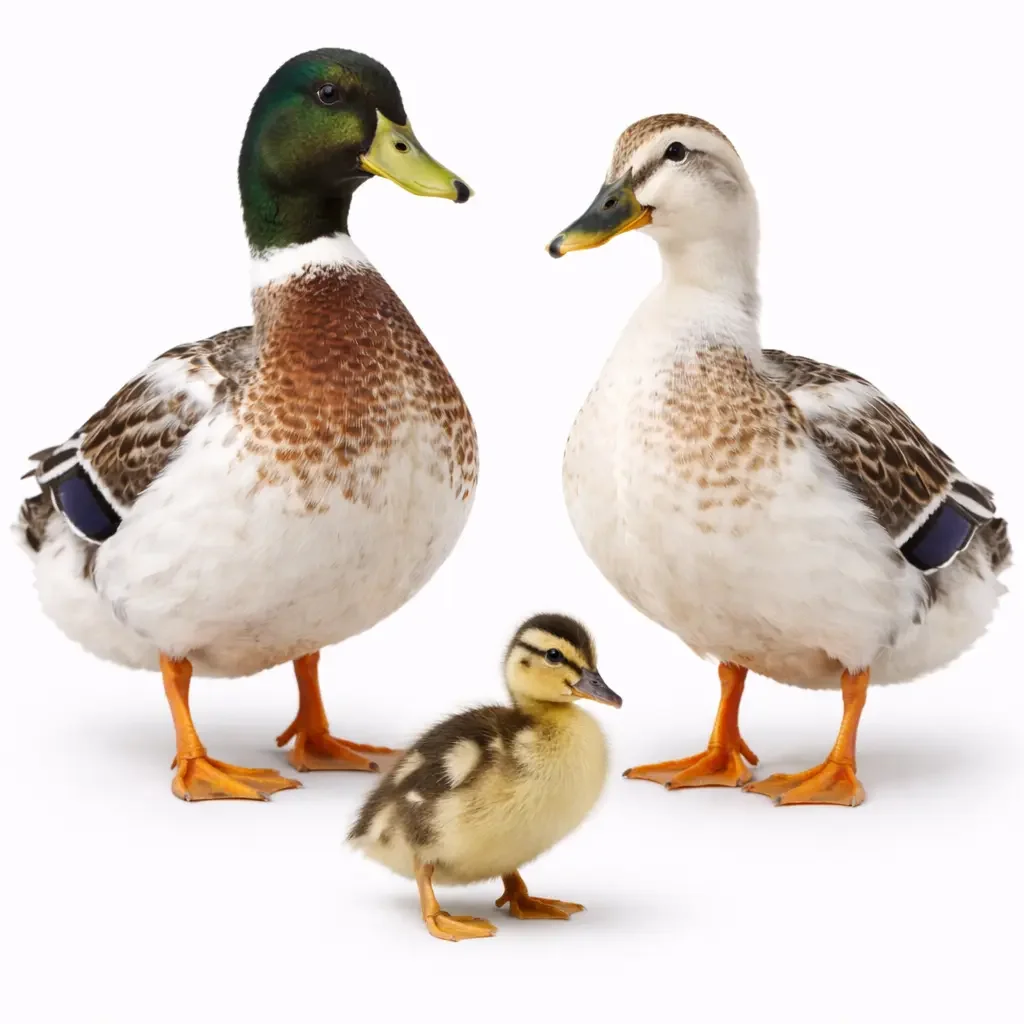
Welsh Harlequin Duck: Complete Homestead Breed Guide
The Welsh Harlequin is one of the most complete dual-purpose duck breeds available to the Midwest homesteader. Born from a genetic accident in a Welsh duck yard in 1949, it combines Khaki Campbell egg-laying heritage with a larger, calmer, and more visually striking package that works as well on a working farm as it does in a backyard flock. Outstanding egg production, lean and flavorful meat, exceptional foraging ability, a docile temperament that handles children and daily handling without stress, and a plumage so beautifully frosted it draws attention even from people who have never kept ducks: the Welsh Harlequin earns its place at the top of the dual-purpose domestic duck list.
Quick Facts
Class: Lightweight
Weight: 4.5 to 5.5 pounds
Egg Production: 240 to 330 eggs per year in well-bred flocks; 150 to 200 in hatchery-bred birds
Egg Color: White; occasionally tinted blue or green
Egg Size: Large
Primary Purpose: Dual purpose (eggs and meat)
Temperament: Calm, curious, docile, people-oriented
Brooding: Low to moderate; broodiness largely bred out of production lines
Conservation Status: Watch (The Livestock Conservancy)
APA Recognition: Silver variety accepted 2001
Country of Origin: Wales, United Kingdom
Year Developed: 1949
Lifespan: 8 to 10 years
Image Section
Feature image: Silver Welsh Harlequin drake showing frosted chestnut and white plumageSecondary image: Welsh Harlequin hen foraging on pastureThird image: Welsh Harlequin ducklings showing bill color sex distinction
Breed Overview
The Welsh Harlequin is one of the newest duck breeds in the world, developed in 1949 in the coastal Welsh town of Criccieth by Group Captain Leslie Bonnet, a British Royal Air Force officer, writer, banker, and passionate duck keeper. The breed arose from a color mutation that appeared spontaneously in a clutch of purebred Khaki Campbell ducklings. Two unusually light-colored ducklings in an otherwise normal hatch caught Bonnet's attention, and he began selective breeding to stabilize the mutation into a consistent and reproducible plumage type. The result was a breed that retained the Campbell's legendary egg-laying genetics while adding significant body weight, improved plumage appeal, and a calmer disposition suited to mixed homestead environments.
The breed nearly disappeared entirely in 1968 when a fox raid destroyed Bonnet's breeding flock. It was saved by Edward Grayson of Lancashire, who had purchased birds from Bonnet in 1963 and maintained a separate flock. Grayson stabilized the breed, established a written standard, and founded a national club. The same year as Bonnet's loss, John Fugate of Tennessee imported hatching eggs from Bonnet to the United States. By 1980, those original imports had dwindled to two small flocks. Fugate imported additional birds in 1982 and enlisted duck authority Dave Holderread to help refine conformation and establish the two color varieties. The Silver variety, which arose from Fugate's American imports, was accepted by the American Poultry Association in 2001 and remains the standard color in the United States. The Gold variety, the original Welsh color, remains the primary variety in the United Kingdom.
The breed carries a Watch designation from The Livestock Conservancy, upgraded from Critical in 2016, reflecting genuine but cautious population growth that remains dependent on dedicated breeders maintaining genetic diversity.
Plumage and Appearance
The Welsh Harlequin's plumage is among the most visually appealing of any domestic duck. Both color varieties display a frosted, complex pattern that has been compared to tortoiseshell in its layering and variation.
The Silver drake carries a dark head with a green sheen, a white neck ring, and chestnut shoulders that break into a heavily frosted white and silver pattern across the back, wings, and flanks. The breast is cream-white and the tail is black with a bronze sheen. The bill is yellow-green and the legs and feet are orange. The Silver hen is cream-white overall with fawn stippling, most concentrated on the back in a tortoiseshell-like pattern. She lacks the eye stripes present on Mallard hens and related breeds, which is a disqualifying fault in show birds. Her bill is black or dark, and her feet are orange when young, darkening to orange-brown with age.
The Gold variety replaces the black pigments of the Silver with warm golden-brown tones. Gold drakes show a chestnut-gold head rather than a green-black head, and Gold hens display fawn and honey-brown tones over a white base. Both sexes of the Gold variety carry a greenish-bronze speculum, while Silver birds show a vivid blue speculum.
One of the most practically useful characteristics of the breed is its day-old sex determination accuracy. Welsh Harlequin ducklings can be sexed by bill color with approximately 90 percent accuracy within the first 24 to 48 hours after hatching. Future drakes show darker, gray-green bills. Future hens show lighter bills with a dark spot at the tip. This distinction disappears after a few days, so timing matters, but the ability to sex ducklings at hatch is a significant practical advantage for homesteaders who want a specific ratio of hens to drakes from the start.
Egg Production
Welsh Harlequin egg production is the breed's most celebrated attribute and the primary reason it attracts homesteaders who want a working egg flock rather than a purely ornamental or meat-focused breed. Well-bred birds from quality breeding flocks produce 240 to 330 white-shelled eggs per year, a figure that rivals or exceeds the Khaki Campbell from which the breed descends and places the Welsh Harlequin among the highest-producing domestic ducks in the world.
The important caveat is that hatchery-bred Welsh Harlequins sourced from commercial hatcheries that have not maintained rigorous selection for egg production often produce significantly less, typically 150 to 200 eggs per year. The difference between a quality Welsh Harlequin from a dedicated breeder and a hatchery bird of the same name can be substantial in practical terms. Homesteaders who prioritize egg production should source birds from breeders who track and select for laying performance rather than purchasing from general hatchery stock.
Eggs are large and white-shelled, with a small percentage of individual birds producing blue or green-tinted eggs depending on bloodline. The shells are strong and the eggs are suitable for all culinary applications as well as extended cold storage.
Broodiness has been largely bred out of modern Welsh Harlequin lines, particularly those from hatcheries. This is a deliberate production trade-off: hens that go broody stop laying, which reduces annual output in laying-focused operations. Heritage lines and some breeding flocks retain stronger brooding instincts, and the breed standard acknowledges the potential for natural brood raising. Homesteaders who want hens that will hatch and raise their own ducklings should seek birds from lines selected for broodiness retention, or plan to use an incubator for the production eggs and a more naturally broody breed for hatching.
Meat Quality
Welsh Harlequin meat is lean, not greasy, and carries a robust flavor that is well regarded among homesteaders and chefs familiar with quality duck. The carcass dresses cleanly, and the light plumage of both sexes means pin feathers do not leave dark pigment marks in the skin the way dark-feathered breeds can. Dave Holderread, the foremost American authority on domestic ducks, described the breed as plucking almost as cleanly as white birds when dressed for meat, which is one of the practical finishing advantages the breed holds over darker-feathered dual-purpose alternatives.
Males from egg-laying lines are commonly used as sires for hybrid laying crosses rather than being retained for meat, but drakes that are not selected for breeding reach a useful table weight at 4.5 to 5.5 pounds dressed. The lean carcass suits roasting, braising, and a wide range of preparation styles. The meat is noticeably less fatty than Pekin or Rouen, which appeals to homesteaders and customers who find heavy-fat duck meat overpowering.
Best Preparations
Whole roasting at high heat suits the Welsh Harlequin well, as the lean carcass produces a clean, direct flavor without the need to render significant fat layers. Duck confit is less effective than with fattier breeds because the fat reserve is lower, but pan-searing the breast to medium with a simple herb and butter finish produces excellent results. The lean meat works well in mixed preparations including duck sausage, duck tacos, and slow-braised dishes where the clean flavor integrates without dominating.
Temperament and Behavior
The Welsh Harlequin's temperament is one of its most consistent and widely reported attributes. It is calm and docile with people it knows and does not panic in the presence of strangers the way flightier lightweight breeds do. It handles children well, tolerates daily handling without chronic stress, and adapts readily to routine. Ducks and drakes alike have what experienced keepers describe as a happy-go-lucky disposition: curious, foraging-focused, comfortable in human company without demanding constant interaction.
The breed is among the quieter domestic ducks. Hens produce the standard female duck quack but at a lower volume and frequency than excitable breeds like the Khaki Campbell or Indian Runner. Drakes are quiet, as is typical of drake ducks in general. The combination of good laying performance and quiet disposition makes the breed practical for suburban and semi-rural settings where noise management matters.
The one temperament consideration that requires management is drake libido. Welsh Harlequin drakes have a notably strong breeding drive, and overmating can cause feather loss and physical injury to hens in flocks with an imbalanced ratio. The recommended ratio is one drake to four to six hens. Flocks with too many drakes or too few hens produce stressed, physically worn hens regardless of how docile individual birds appear.
The breed does not truly fly. Adults can achieve brief, low wing-flap hops of no more than a foot or two off the ground, which means standard fencing without netting is sufficient for confinement. This is a practical advantage over flightier breeds that require covered runs or clipped wings to stay put.
Foraging and Pasture Performance
Welsh Harlequin foraging ability is genuinely outstanding and reflects the active, efficient character of its Khaki Campbell ancestry. On quality pasture, the breed can derive a meaningful portion of its daily nutritional needs from insects, aquatic invertebrates, plant material, slugs, snails, and other foraged items, reducing feed costs in managed free-range systems. Their foraging style is methodical rather than frantic: they move deliberately through a pasture or garden area, investigating every inch rather than covering ground randomly.
As pest control partners, Welsh Harlequins are effective on insects, beetles, flies, mosquito larvae, ants, spiders, slugs, and snails. Gardeners who rotate ducks through garden areas between plantings report consistent reductions in slug and insect pressure. The breed's calm movement style also reduces the plant damage that more active, excitable breeds can cause when moving through vegetable beds.
Their light plumage, while beautiful, creates a predator vulnerability that darker breeds do not share. Welsh Harlequins are visually conspicuous to hawks and other aerial predators against most backgrounds, and their calm temperament means they may not startle and scatter with the same urgency as more anxious breeds when a threat appears. Secure nighttime housing is essential, and daytime free-ranging should be evaluated based on local predator pressure. Livestock guardian dogs, covered runs, and regular supervision all reduce risk.
Climate Adaptability
Welsh Harlequins are highly adaptable to a wide range of climates and are considered one of the more reliably hardy dual-purpose breeds for variable conditions. They tolerate both heat and cold well when provided with appropriate housing, shade, and continuous access to clean water. In cold climates, their waterproof feathering provides good insulation and they remain active and productive through winter with appropriate shelter from wind and standing water that does not freeze solid. In heat, access to cool water for bathing and shade for resting during the hottest part of the day maintains welfare and productivity.
For Midwest homesteaders, the breed performs well across the full range of regional climate conditions from the warm, humid summers of Iowa and Illinois through the cold, snowy winters of Minnesota and Wisconsin.
Housing and Management
Welsh Harlequins require the same basic housing as all domestic ducks: a predator-proof enclosure for nighttime, access to clean water deep enough for bill and head submersion for health and hygiene, and adequate floor space to move comfortably. Standard recommendations are four square feet of indoor floor space per bird and ten square feet of outdoor run space, though more space consistently produces healthier and better-producing flocks.
The breed does not require a pond or swimming water for health, though access to a pond, trough, or stock tank substantially improves welfare and foraging behavior. A simple rubber stock tank or plastic kiddie pool cleaned regularly serves the purpose for small flocks without the maintenance demands of a managed pond.
Feed management after the brooding stage should shift to adult maintenance rations rather than high-protein starter feed, as the breed is not prone to obesity but will overindulge in calorie-dense feed if offered free choice. Body condition monitoring through the laying season ensures hens maintain appropriate weight for sustained production without becoming overweight.
Pros and Cons
Pros
Outstanding egg production of 240 to 330 eggs per year in quality-bred flocks
Lean, flavorful meat that dresses cleanly with light plumage
Exceptionally calm and docile temperament suitable for families with children
Excellent foraging ability that reduces feed costs in pasture-based systems
Day-old sex determination by bill color with approximately 90 percent accuracy
Highly adaptable to varied climates including Midwest winters and summers
Quiet breed suitable for suburban and semi-rural settings
Does not fly, eliminating the need for covered runs or wing clipping
Beautiful, complex plumage in Silver and Gold varieties
Cons
Hatchery-bred birds often produce significantly less than breed potential suggests
Broodiness largely bred out of production lines; incubator needed for hatching
Light plumage creates elevated predator visibility compared to darker breeds
Calm temperament may reduce predator alertness in free-range settings
Strong drake libido requires careful ratio management to prevent hen injury
Watch list conservation status means quality birds require sourcing from dedicated breeders
Profitability
The Welsh Harlequin is among the more commercially viable domestic duck breeds for small homestead operations. The combination of high egg production, lean meat quality, and visual appeal creates multiple income streams from a single flock.
Duck eggs command consistent premium pricing at farmers markets, farm stands, and direct-to-consumer sales, typically selling for two to three times the price of chicken eggs. Welsh Harlequin eggs, produced in quantity by well-bred hens, provide a reliable and recurring revenue source through the laying season. Whole dressed ducks sell well through the same direct marketing channels to customers seeking locally raised, heritage-quality poultry. Hatching eggs and started ducklings from quality Welsh Harlequin bloodlines carry additional value to homesteaders and backyard keepers looking to start or improve their own flocks. Drakes from laying lines are also used commercially as sires for hybrid egg-laying crosses, creating a secondary market for quality breeding males.
The breed's Watch conservation status means that maintaining a quality breeding flock contributes genuine conservation value alongside the production economics, which some producers find meaningful to communicate in direct marketing.
Comparison With Related Breeds
Khaki Campbell: The Welsh Harlequin's direct ancestor and the benchmark for duck egg production. The Khaki Campbell is slightly lighter, more active, and often cited as the world's highest-producing domestic duck layer. The Welsh Harlequin offers a larger body, heavier meat yield, calmer temperament, and more visually appealing plumage in exchange for a modest production trade-off in most comparative flocks. Homesteaders who want maximum egg numbers and are comfortable with a more energetic, anxious bird may prefer the Campbell. Those who want a calmer, dual-purpose bird with beautiful plumage typically prefer the Welsh Harlequin.
Silver Appleyard: The Silver Appleyard is a heavier dual-purpose breed with plumage that shares some visual similarity to the Welsh Harlequin in its frosted, complex patterning. The Appleyard is classified as a heavyweight breed at nine to eleven pounds, compared to the Welsh Harlequin's lightweight five and a half, producing significantly more meat per bird but laying fewer eggs per year. The choice between the two depends on whether egg production or meat yield is the primary production goal.
Ancona Duck: The Ancona is another dual-purpose lightweight breed with calico spotted plumage quite different from the Welsh Harlequin's frosted pattern. Ancona egg production is solid but generally lower than Welsh Harlequin in direct comparisons. The Ancona is also a Watch breed with similar conservation considerations. The Welsh Harlequin is typically the preferred choice where egg production is the primary metric.
Pekin Duck: The Pekin is the dominant commercial meat duck, larger, faster-growing, and heavier than the Welsh Harlequin. For homesteaders whose primary goal is meat production on a short timeline, the Pekin reaches table weight faster and at greater dressed weight. For those who want sustained egg production alongside meat capability, the Welsh Harlequin is the clearly superior choice.
Final Verdict
The Welsh Harlequin is one of the most complete domestic duck breeds available to the Midwest homesteader. It delivers at the egg carton, at the table, on the pasture, and in the yard. Its calm temperament makes it accessible to beginners and enjoyable for experienced keepers. Its conservation status gives it meaning beyond production metrics. And its plumage makes it one of the most genuinely beautiful ducks in the yard regardless of the practical criteria it also satisfies. If a homesteader wants one breed of domestic duck that performs across every dimension without significant compromise, the Welsh Harlequin belongs at the top of the list.
Frequently Asked Questions
How many eggs do Welsh Harlequin ducks lay per year? Well-bred birds from quality breeding flocks produce 240 to 330 eggs per year. Hatchery-bred birds typically produce 150 to 200. The difference is significant and worth considering when sourcing birds.
Are Welsh Harlequin ducks good for beginners? Yes. Their calm, docile temperament, straightforward management requirements, and willingness to engage with people make them one of the most beginner-friendly domestic duck breeds available.
Can you sex Welsh Harlequin ducklings at hatch? Yes, with approximately 90 percent accuracy within the first 24 to 48 hours after hatching. Future drakes show darker gray-green bills; future hens show lighter bills with a dark spot at the tip. The distinction fades after a few days.
Do Welsh Harlequin ducks go broody? Rarely in modern production lines. Broodiness has largely been selected out of hatchery and production flocks. Heritage lines retain stronger brooding instincts. Most homesteaders use an incubator for hatching Welsh Harlequin eggs.
Do Welsh Harlequin ducks fly? No. Adults can achieve brief hop-flaps of a foot or two but do not sustain flight. Standard fencing without netting is sufficient for confinement.
What is the difference between Silver and Gold Welsh Harlequins? Silver is the APA-recognized variety in the United States, with blue speculum feathers and cooler frosted tones. Gold is the original Welsh variety, with a greenish-bronze speculum and warmer honey and fawn tones. Both color patterns share the same basic frosted, layered plumage character.