
Aylesbury Duck
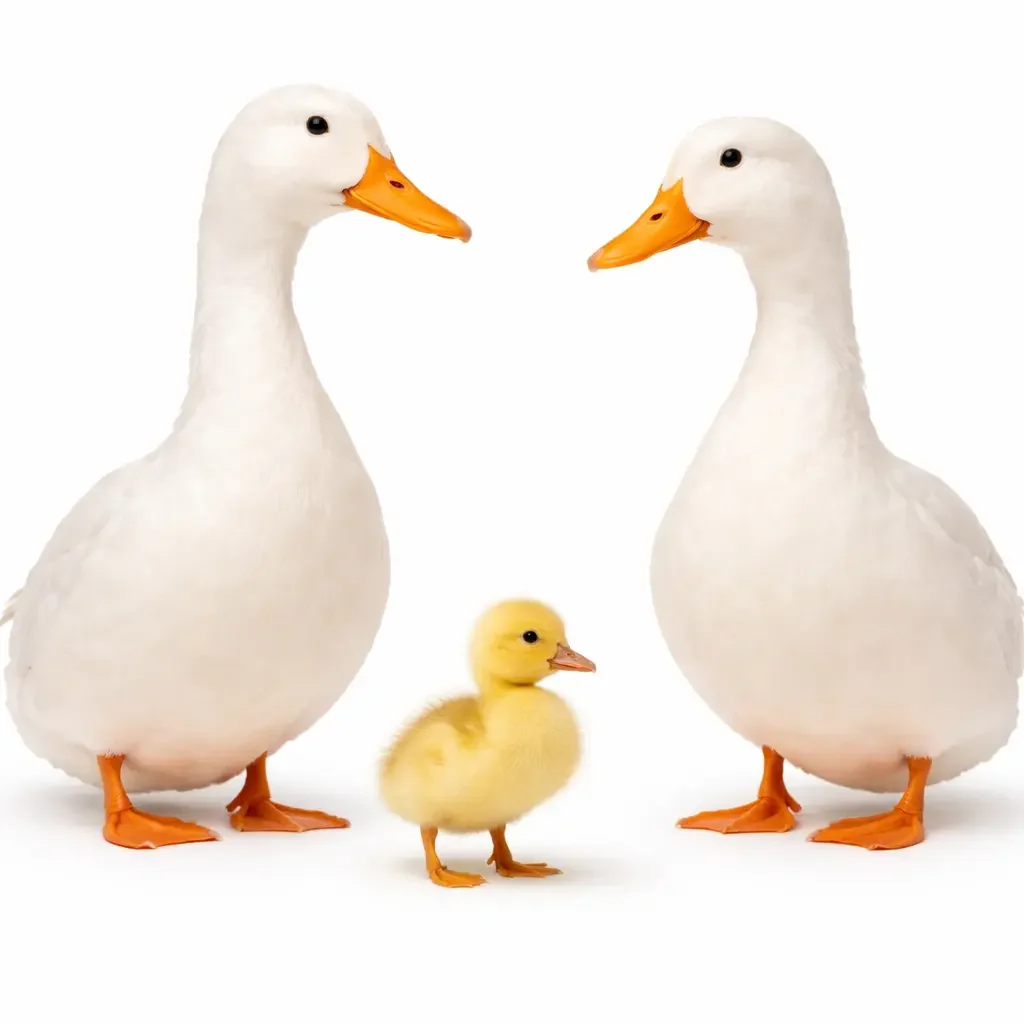
The Aylesbury Duck is England's most celebrated domestic duck and one of the finest meat breeds in the world. From the Vale of Aylesbury in Buckinghamshire, forty miles north of London, breeders and duckers developed a cottage industry around this white-skinned, pink-billed, mild-flavored bird that supplied London's most discerning markets for two centuries. It was the premier table duck of England before the Pekin arrived from China in 1873, and in the opinion of many cooks and chefs, it has never been surpassed for the delicacy and quality of its meat despite never reclaiming its commercial dominance. The symbol of the town of Aylesbury itself, celebrated in its pubs, its coat of arms, and its football club's nickname, the Aylesbury Duck is one of the most historically significant domestic duck breeds in the English-speaking world. It is also, in the United States, one of the most critically endangered. Finding a true, pure Aylesbury in North America is a genuine challenge, and keeping one is an act of direct conservation significance.
Quick Facts
Class: Heavyweight
Weight: Drakes approximately 9 to 10 pounds at maturity; exhibition drakes can exceed this. Hens approximately 8 to 9 pounds
Egg Production: 35 to 125 large white to tinted-green eggs per year; utility lines approach the upper end; exhibition lines are lower
Egg Color: White to tinted green
Egg Size: Large to extra-large
Primary Purpose: Meat; exhibition; dual purpose in utility lines
Temperament: Docile, calm, friendly; excellent as pets and family ducks; not aggressive foragers
Brooding: Poor; hens are not reliable broodies and do not typically incubate their own eggs; incubator required
Conservation Status: Critical (The Livestock Conservancy) in the United States; pure Aylesbury breeding stock is extremely limited in North America
APA Recognition: Accepted 1874; one of the original breeds in the first American Standard of Perfection
Country of Origin: Aylesbury, Buckinghamshire, England
Year Developed: White duck breeding in Aylesbury documented from at least the 1690s; breed formalized through the eighteenth century; reached its present form by approximately 1800 to 1850
Lifespan: 8 to 12 years
Image Section
Feature image: Aylesbury duck showing pure white plumage, distinctive pink bill, and horizontal boat-shaped carriageSecondary image: Aylesbury duck pair on a farm pond showing the deep keel nearly touching the waterThird image: Aylesbury ducklings showing the breed's characteristic yellow down and already substantial frame
Breed Overview
The Aylesbury Duck's history begins in the town of Aylesbury in Buckinghamshire, England, where a tradition of raising white ducks developed from at least the 1690s. The initial driver was not meat production but feather production: white feathers were prized as stuffing for pillows, quilts, and eiderdowns, and the white duck of Aylesbury became a local specialty trade that supported a cottage industry of remarkable scale and specificity.
By 1800, the Vale of Aylesbury had developed a reputation across England as the source of the finest white-skinned market ducklings available anywhere. The trade was organized around a division of labor between stock duck farms in the surrounding countryside and domestic rearers in the town's Duck End neighborhood. Farm families in the countryside maintained breeding flocks, collecting fertilized eggs and selling them to the duckers of Duck End, who raised the ducklings in their homes through the winter and spring, selling finished birds to London markets. The railway line from Cheddington to Aylesbury, opened in 1839, transformed this cottage industry into a substantial commercial enterprise by enabling cheap, rapid transport to the capital's markets.
The ducks were taken seriously enough that before rail transport existed, finished birds were walked to London markets forty miles away. To protect their feet on the long journey, breeders coated the ducks' feet with cold tar and walked them through sawdust to form protective shoes before setting out. Inns along the route were required to accommodate the ducks overnight during the journey.
The Aylesbury was exhibited at the inaugural Boston Poultry Show in 1849, and was admitted to the American Poultry Association's Standard of Perfection in 1874, one of the founding breeds of the American standard. It was recognized by its distinctive features: pure white plumage, a pinkish-white bill unlike the orange bills of all other white domestic duck breeds, white skin rather than the yellow skin typical of all other ducks including the Pekin, and a body described as boat-shaped with a deep horizontal keel that, in the most extreme exhibition specimens, nearly reaches the ground.
The Pekin's arrival in Britain in 1873 began the decline of the Aylesbury's commercial dominance. The Pekin grew faster, laid more eggs, was hardier, and was roughly equivalent in size at nine weeks. By the time inbreeding had reduced the Aylesbury's fertility and hardiness while exhibition breeding was selecting for increasingly extreme body proportions, the commercial duck industry had moved decisively to the Pekin. The Aylesbury declined through the twentieth century and the two World Wars essentially ended the town's commercial duck industry entirely. The breed now carries Critical status from The Livestock Conservancy in the United States, where pure Aylesbury breeding stock is extremely limited.
Identifying the True Aylesbury
A critical distinction for American homesteaders is the difference between a true Aylesbury and the various commercial white ducks that are often called Aylesbury in trade. The true Aylesbury has three identifying features that no other common white domestic duck shares: a distinctly pinkish-white bill rather than orange or yellow, white skin on the dressed carcass rather than the yellow skin typical of the Pekin, and a horizontal carriage with the keel parallel to the ground.
Any white duck with an orange or yellow bill is not a pure Aylesbury. Any white duck with yellow skin on the dressed carcass is not a pure Aylesbury. Most white ducks sold commercially in Britain and virtually all sold in North America under the Aylesbury name are Pekin-Aylesbury crosses or simply Pekins, which share the white plumage but differ in bill color, skin color, and body carriage. True pure Aylesbury breeding stock in North America is genuinely rare and is maintained by a small number of dedicated conservation breeders.
Plumage and Appearance
The Aylesbury is a large, impressive bird with a body type described consistently as boat-shaped: broad, deep, and parallel to the ground, with the keel extending down from the breast in a characteristic straight line that nearly touches the ground in exhibition-standard birds. The neck is long and swan-like, the head is oval with a medium slope to the forehead, and the bill is long, straight, and pinkish-white. The eyes are dark grayish-blue. The plumage is pure white throughout, and the skin beneath the feathers is white rather than the yellow that characterizes all other common domestic duck breeds including the Pekin. Legs and feet are orange.
Two types of Aylesbury exist within the breed: exhibition and utility. The exhibition bird has been selected for the most extreme keel development, the deepest and longest body, and the most horizontal carriage, sometimes to the point where the keel actively drags on the ground. Exhibition birds with this degree of keel development often cannot mate naturally due to the body's interference with normal breeding posture, and fertility is reduced. The utility or production Aylesbury maintains the breed's characteristic appearance without the extreme keel development, preserving natural mating ability and fertility for working flock management.
For homestead purposes, utility-type Aylesbury is the correct choice, preserving the breed's meat quality and distinctive appearance while maintaining the reproductive function that exhibition extremes have compromised.
Egg Production
The Aylesbury's egg production is secondary to its meat utility, and both the breed's historical development and its current exhibition culture reflect this priority. The Livestock Conservancy documents egg production at 35 to 125 large white to tinted-green eggs per year, a wide range that reflects the significant variation between utility lines, which approach the upper end of this range, and exhibition lines, which are lower.
One historically notable attribute of Aylesbury egg production is the breed's tendency to lay eggs during winter months, which set it apart from the Rouen Duck, the other major British meat duck breed of the nineteenth century. This winter-laying tendency made the Aylesbury more productive year-round than the Rouen in the management context of traditional British duck farms, contributing to its commercial advantage during the period before the Pekin's arrival.
Hens are not reliable broodies and typically do not incubate their own eggs. Historical accounts note that female Aylesbury ducks would not sit still for the twenty-eight-day incubation period, which is why the traditional Aylesbury industry always relied on broody chickens or incubators to hatch the eggs rather than the ducks themselves. Modern homesteaders should plan incubator management into their Aylesbury breeding program rather than expecting natural broodiness.
Meat Quality
The Aylesbury's meat quality is the breed's defining attribute and the reason it dominated British poultry markets for two centuries. The meat is consistently described as tender, succulent, mild-flavored, and fine-grained, with a delicacy that many experienced cooks place above the commercial Pekin. The white skin of the dressed Aylesbury carcass presents particularly cleanly and was historically a specific selling point in London's premium markets, where white-skinned duck was considered superior to yellow-skinned alternatives.
Dave Holderread describes the Aylesbury as producing a high percentage of mild-flavored meat with light bone structure, a characterization that reflects the breed's selection over generations specifically for maximum table quality. The mild, delicate flavor is the trait most often cited by British culinary writers as the Aylesbury's distinguishing attribute, and it is why the breed remains preferred over the Pekin by many chefs who work with heritage poultry in Britain despite the Pekin's commercial dominance.
Young ducks reach a slaughter weight of approximately five pounds in seven to nine weeks, which is competitive with heritage meat breeds though slower than commercial Pekin hybrids. Because Aylesbury ducks are not particularly active foragers, they fatten best when given concentrated feed rather than managed primarily on pasture. The Livestock Conservancy notes that they will fatten best if fed concentrated feed, and this management approach is the standard for Aylesbury meat production.
Best Preparations
The Aylesbury's mild, tender, fine-grained meat suits preparations that highlight its delicacy rather than compete with it. Whole roasting at moderate to high heat with simple seasoning, lemon, and herbs produces the clean, elegant result that made the breed famous in Victorian and Edwardian London dining. Orange sauce, the classic Victorian accompaniment to roast duck, was specifically associated with Aylesbury Duck as a pairing. Pan-seared breast to medium doneness suits the mild, sweet flavor profile. Slow roasting at lower temperatures produces an exceptionally tender result from the breed's well-developed, fine-grained breast muscle.
Temperament and Behavior
The Aylesbury Duck's temperament is consistently described as calm, docile, friendly, and suitable for families including children. It is not an anxious or excitable breed and handles human contact comfortably when raised with regular interaction from young. The Livestock Conservancy describes it as generally a friendly breed that makes good pets, and this characterization is consistent with keeper accounts across multiple sources.
The breed is not an active forager. Unlike the Blue Swedish, Saxony, or Muscovy, which derive meaningful proportions of their diet from pasture-based foraging, the Aylesbury tends toward a more sedentary feeding pattern that favors provided feed over active hunting. This docile, food-focused character makes the breed easy to manage in confined conditions and contributes to its rapid fattening when given concentrated feed, but it means the breed is not a reliable pest control partner or a self-supplementing pasture bird.
This lower activity level also increases the risk of obesity and related health problems, particularly bumblefoot, which is a bacterial foot infection aggravated by heavy body weight on hard or rough substrates. Regular foot inspection and soft, clean substrate management reduce this risk for large-bodied breeds.
Climate Adaptability
The Aylesbury was developed in the temperate maritime climate of southern England and handles cold, wet conditions well. It tolerates Midwest winters adequately with appropriate housing providing shelter from wind and access to unfrozen water.
Summer heat requires more attention for this heavyweight breed than for lighter, more active ducks. The Aylesbury's large body mass and relatively sedentary character mean heat stress risk is elevated at sustained high temperatures. Shade, cool water, and reduced confinement density during peak summer heat are standard management practices for maintaining welfare and production in warm Midwest summers.
The breed's white plumage, while creating predator visibility risks similar to those of the Crested Duck or Pekin, also reflects sunlight better than dark-feathered breeds, providing some thermal advantage in direct sun exposure.
Housing and Management
Aylesbury Ducks require housing appropriate for their large body weight. Five to six square feet of indoor floor space per bird and fifteen or more square feet of outdoor run space accommodates their frame without crowding stress. Low entrance ramps or ground-level access points are important for the breed's horizontal carriage and deep keel, as high-step entries can cause injury to a bird built so close to the ground.
Substrate management is particularly important for the Aylesbury given its bumblefoot susceptibility. Soft grass, deep straw, and clean mud are preferable substrates; hard concrete, compacted earth, and gravel should be minimized or avoided. Regular daily inspection of feet during the production season identifies early infection before it becomes serious.
Water access for swimming, drinking, and bathing is standard duck management and is used enthusiastically by the breed. The horizontal carriage and large keel make deep water entry and exit management worth considering in pond settings.
Conservation Significance
The Aylesbury's Critical conservation status in the United States reflects a genuine scarcity of pure breeding stock. The most important practical step any homesteader can take in relation to this breed is to verify that birds being offered as Aylesbury are truly pure Aylesbury before purchasing, using the bill color, skin color, and body carriage verification described above.
Frank Reese Jr., one of the foremost heritage poultry conservationists in the United States and a leading Aylesbury breeder, has documented that his utility-line birds consistently lay near the high end of the 35 to 125-egg annual production range, demonstrating that well-managed, genetically healthy Aylesbury breeding programs can produce functional, productive utility birds. The Livestock Conservancy specifically identifies a critical need for more conservation breeders of this breed.
Pros and Cons
Pros
The finest English heritage meat duck; mild, tender, fine-grained meat with delicate flavor historically preferred over Pekin by British culinary tradition
White skin on the dressed carcass: a unique attribute no other common white domestic duck shares, producing a particularly clean and commercially appealing finished bird
Distinctive pink bill and deep horizontal keel: visually unlike any other domestic duck breed
Calm, docile, family-friendly temperament that handles daily management without anxiety
APA recognition from 1874; one of the foundational breeds of the American poultry standard
Winter-laying tendency provides egg production continuity through darker months
Keeping quality Aylesbury contributes directly to conservation of a Critical heritage breed
Cons
Critical conservation status in the United States; true pure breeding stock is genuinely rare and difficult to source
Exhibition-type birds have extreme keel development that reduces fertility and natural mating ability
Poor broodiness; hens do not reliably incubate their own eggs; incubator required
Not an active forager; fattens on concentrated feed rather than pasture supplementation
Elevated bumblefoot risk due to large body weight; regular foot inspection required
Slower growth than commercial Pekin hybrids; seven to nine weeks to five pounds versus six weeks for commercial Pekin
Egg production of 35 to 125 per year is modest; not a primary laying breed
Susceptibility to obesity and related health issues when feed is not managed carefully
Profitability
The Aylesbury's profitability rests on premium heritage meat positioning and, in North America, the extreme scarcity of quality breeding stock. Whole dressed Aylesbury duck, properly sourced and documented as pure heritage birds rather than Pekin-cross commercial white ducks, commands premium prices in direct-to-consumer, restaurant, and specialty retail channels where buyers understand and pay for the distinction. The breed's English heritage story and its Critical conservation status add a provenance narrative that resonates with heritage-food-oriented buyers.
Hatching eggs and ducklings from verified pure Aylesbury bloodlines command the highest per-unit prices of any domestically available duck given the breed's Critical status and the near-impossibility of sourcing quality birds without direct relationships with the small number of serious Aylesbury conservation breeders in North America.
Comparison With Related Breeds
Pekin Duck: The Pekin displaced the Aylesbury as England's dominant commercial meat duck in the 1870s and has dominated American commercial production since it arrived in 1873. The Pekin grows faster, lays more eggs, is more widely available, and more forgiving in management. The Aylesbury produces superior meat quality in the opinion of many experienced British cooks and chefs, carries white skin that dresses more elegantly, and offers an incomparable conservation story in a breed that is genuinely at risk. For homesteaders choosing between the two, the Aylesbury is the quality-and-heritage choice; the Pekin is the volume-and-efficiency choice.
Rouen Duck: The Rouen was the Aylesbury's primary British competition in the heritage meat duck market before the Pekin's arrival. Both are large, slow-growing heritage meat breeds with superior eating quality compared to commercial Pekin. The Rouen's Mallard-pattern plumage is more dramatically beautiful; the Aylesbury's pure white appearance and pink bill are more distinctive and commercially presentable. The Aylesbury's white skin produces a cleaner dressed bird than the Rouen's darker-feathered carcass. Both are heritage conservation breeds worth supporting.
Saxony Duck: The Saxony is a continental heavyweight dual-purpose breed with Threatened status in the United States, also providing superior meat quality over commercial Pekin and carrying meaningful conservation significance. The Saxony delivers higher egg production alongside comparable meat quality; the Aylesbury delivers the most refined and historically prestigious meat quality of any domestic duck breed with less egg production. Both require conservation-minded sourcing.
Final Verdict
The Aylesbury Duck is the aristocrat of the domestic duck world. No other breed carries its combination of culinary reputation, historical significance, visual distinctiveness, and critical conservation urgency. The pink bill, the white skin, the boat-shaped horizontal carriage, and the mild, tender, fine-grained meat that satisfied London's finest markets for two centuries are all still present in the genuine heritage birds maintained by a small number of dedicated breeders. For Midwest homesteaders who take heritage conservation seriously and want the most prestigious meat duck breed in the domestic duck directory, the Aylesbury Duck rewards the considerable effort of sourcing and maintaining it with a product and an experience that no other breed can replicate.
Frequently Asked Questions
How do I identify a true Aylesbury Duck? Three characteristics distinguish the pure Aylesbury from Pekin-cross commercial white ducks: a distinctly pinkish-white bill rather than orange or yellow, white skin on the dressed carcass rather than yellow, and a horizontal body carriage with the deep keel parallel to the ground. Any white duck with an orange or yellow bill is not a true Aylesbury.
How many eggs do Aylesbury ducks lay? The documented range is 35 to 125 large white to tinted-green eggs per year. Utility lines managed by dedicated breeders like Frank Reese Jr. produce toward the higher end of this range. Exhibition-bred birds produce less. The breed lays during winter months more reliably than the Rouen, its historic British rival.
Are Aylesbury ducks rare? Yes, particularly in the United States. The Livestock Conservancy classifies them as Critical, the most urgent conservation status. Pure breeding stock in North America is maintained by a very small number of dedicated conservation breeders and requires significant research to source.
How fast do Aylesbury ducks grow? Young ducks reach slaughter weight of approximately five pounds in seven to nine weeks. This is slower than commercial Pekin hybrids but competitive with other heritage meat breeds.
Why was the Aylesbury Duck replaced by the Pekin? The Pekin arrived in Britain in 1873, grew faster, laid more eggs, was hardier and less prone to inbreeding effects, and achieved comparable size at nine weeks. As Aylesbury breeding increasingly selected for extreme exhibition conformation at the expense of fertility and hardiness, the commercial duck industry moved decisively to the more efficient Pekin within a few decades.
Can Aylesbury ducks hatch their own eggs? No, typically. Hens are not reliable broodies and the historical Aylesbury industry always relied on broody chickens or incubators rather than the ducks themselves. Modern homesteaders should plan incubator use for all Aylesbury hatching.