
Canvasback
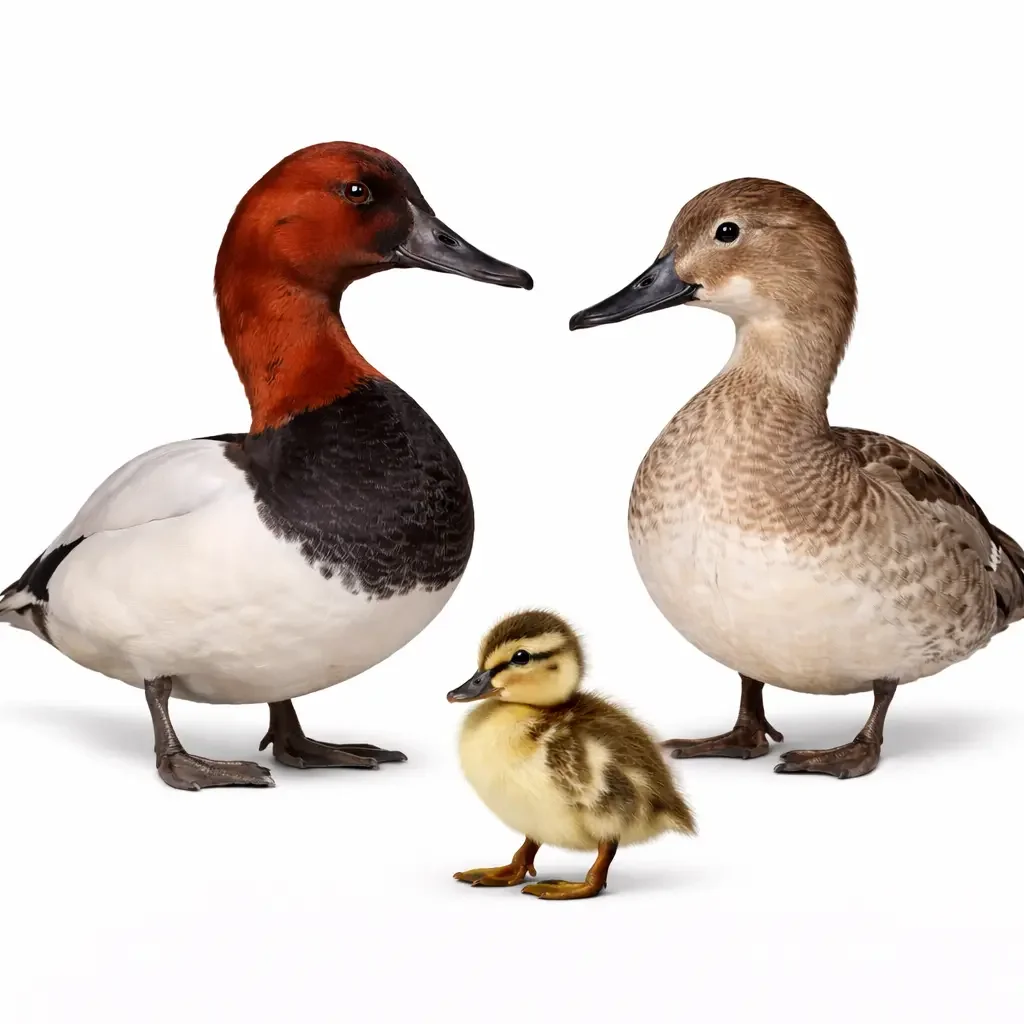
Canvasback: Complete Hunting and Homestead Wildlife Guide
The Canvasback is the King of North American waterfowl. That title, earned through a combination of commanding size, striking plumage, legendary table quality, and a conservation history that took the species to the brink and back, is not given to any other duck. It is the most sought-after diving duck in the country, the standard against which all other diver hunting is measured, and a bird that connects Midwest homesteaders and hunters directly to the Prairie Pothole breeding wetlands where the species' fate is decided every spring. Understanding the Canvasback means understanding the highest stakes and the greatest rewards in Midwest waterfowl.
Quick Facts
Breed Type: Wild Duck
Purpose: Hunting, Wildlife Observation, Prairie Pothole Habitat Management
Origin: North America only, breeds in the Prairie Pothole Region and boreal forest
Egg Production: Not applicable (wild species)
Egg Color: Pale olive-gray to greenish, laid in floating nests among cattails and marsh vegetation
Adult Weight: Drake 2.5 to 3.5 lbs, Hen slightly lighter
Temperament: Wary and fast, forms large open-water rafts, one of the most challenging ducks to consistently decoy
Hardiness: Cold hardy, uses large open water well into late season
Broodiness: Moderate, hens incubate independently and raise young through early development
Lifespan: Up to 22 years in the wild based on banding records
Image Section
Main Image: Canvasback drake in full breeding plumage on open water, distinctive sloping bill-to-crown profile with chestnut head, red eye, white body, and black chest visible, 1024x1024, white or transparent background.
Breed Overview
The Canvasback, known scientifically as Aythya valisineria, is the largest diving duck in North America and arguably the most storied bird in the history of American waterfowl hunting. Its scientific name honors its preferred food source, wild celery, Vallisneria americana, whose Latin root runs directly through the species name. Its common name references the canvas-white back of the drake, a field mark visible from remarkable distances on open water.
The drake in breeding plumage carries one of the most recognizable profiles in all of North American birds. The long, sloping bill that continues upward in a smooth unbroken curve to the highest point of the rounded crown creates a distinctive wedge-shaped head profile that experienced hunters identify at extreme distance without any other field marks. His head is a rich chestnut-red, his breast and rump black, his body and back a clean white heavily vermiculated with silver-gray that gives it the canvas-like appearance of his name. His eyes are brilliant red. The hen shares the same sloping head profile but wears muted buff-brown tones on the head and neck transitioning to gray-brown on the body.
The Canvasback's reputation as table fare is the most storied in North American waterfowl. In the nineteenth century, when the species fed extensively on wild celery beds in the Chesapeake Bay, its meat was considered incomparably superior to all other waterfowl and commanded premium prices in the finest restaurants of New York, Baltimore, and Philadelphia. Market hunters were paid handsomely for brace after brace of canvasbacks from the Chesapeake, and unregulated commercial harvest brought the species near extinction before the Migratory Bird Treaty Act of 1918 ended the slaughter. Today the reputation persists but the reality is more nuanced. Wild celery habitat has declined significantly with water quality degradation, and modern canvasbacks feeding on mussels or in areas with limited celery may not achieve the legendary flavor of the nineteenth century birds. When they do feed on wild celery, pondweed, and quality aquatic vegetation, however, the Canvasback fully justifies its historic reputation.
The population history of the Canvasback is a genuine conservation drama. From population highs estimated above one million birds in the early twentieth century, the population collapsed to approximately 500,000 birds in the 1970s due to Prairie Pothole drainage, drought, and water quality degradation of key wintering areas. Bag limits were reduced and seasons closed entirely in some years. Conservation work by Ducks Unlimited, federal wetland protection programs, and the Duck Stamp program contributed to a recovery that has brought populations back to approximately 500,000 to 700,000 birds, allowing regulated harvest under carefully managed bag limits.
Hunting the Canvasback
Season and Timing
The Canvasback is subject to a species-specific daily bag limit in all states where it occurs, typically two birds per day counted separately from the general duck aggregate. This restricted limit reflects the ongoing population management attention the species requires and the conservation history that has defined its relationship with hunters for over a century. The limit has fluctuated over the decades from closed seasons during population lows to the current two-bird allowance in most flyways during favorable population years. Always verify your specific state regulations each season as canvasback limits are reviewed annually.
Fall migration through the Midwest peaks in October and November, with peak numbers on the Mississippi River corridor, the Great Lakes, and large interior lakes occurring in late October through December. Nearly 75 percent of the world's canvasback population has been documented using the Mississippi River Wildlife Refuge near La Crosse, Wisconsin, during peak migration, making the upper Mississippi one of the most important staging areas for the species on the continent.
Where to Hunt
Canvasbacks are specialist divers that require large, open water bodies with abundant submerged aquatic vegetation, particularly wild celery, sago pondweed, and duck potato. They strongly favor deep, open wetlands and large lake and river systems over shallow marshes and small water bodies. Unlike Ring-necked Ducks that use a wide variety of habitat types, canvasbacks are among the most habitat-specific of all Midwest waterfowl, requiring quality conditions that support their preferred food sources.
The Mississippi River corridor from Lake Pepin in Minnesota south through Wisconsin and into Illinois and Missouri is one of the most productive canvasback hunting regions in the world during peak October and November migration. The Great Lakes, particularly western Lake Erie, Lake St. Clair, and the Detroit River, also hold significant migration concentrations. Large reservoir systems in the Dakotas and Minnesota that support good wild celery and pondweed communities attract staging birds in early fall.
Difficulty of Hunting
The Canvasback is one of the most challenging ducks to consistently hunt, a reputation that is well-earned on multiple levels. First, they are wary birds that require proper setup, excellent concealment, and large, realistic decoy spreads to work effectively. They are experienced at scanning approaching water from altitude before committing, and any imperfection in the setup, any movement in the blind, or any wind condition that puts the hunter silhouette in the wrong position will send birds banking away without giving a shot. Second, accessing the open-water habitats they require typically demands layout boats or specialized water setups on major river systems and large lakes. Third, late-season hunting when canvasbacks are most concentrated occurs in the coldest, most physically demanding weather of the season.
When they do commit to a proper spread on the right water, canvasbacks come in fast and direct, offering shots at full flight speed rather than the leisurely circling approach of some other species. They are strong, heavily muscled birds that require solid shot placement to bring down cleanly.
Decoys and Calling
Canvasback hunting demands large, high-quality decoy spreads. A typical productive setup on open water uses 75 to 100 or more decoys, with the majority being white-sided drake canvasback decoys for maximum visibility at distance. The white backs on drake decoys are visible at remarkable range and draw birds from considerable distances across open water. Spreads are typically arranged in a blob or raft formation to mimic the large, compact feeding rafts that canvasbacks naturally form, with a landing zone positioned downwind of the blind where approaching birds will commit.
Canvasbacks are not responsive to calling in the way dabbling ducks are. They are largely silent birds outside of breeding season courtship, and the primary tool is the visual attraction of a large, realistic decoy spread on the right water. Some hunters use diver calls producing low, rolling sounds to add audio confidence to birds that are circling or hesitant, but decoy spread quality and placement are far more important than calling.
Meat Quality
The Canvasback's table reputation is the most celebrated in North American waterfowl, and when the birds have been feeding on wild celery and quality aquatic vegetation, that reputation is fully justified. The combination of large body size producing substantial breast meat yield, clean aquatic plant-based diet, and the haunting flavor note that wild celery specifically imparts gives the well-fed canvasback a quality that experienced waterfowlers place at the top of any honest ranking.
The honest qualification is that modern canvasback meat quality is variable and dependent on diet. Birds feeding on wild celery in clean water produce the legendary experience. Birds feeding primarily on mussels or in areas where aquatic vegetation has been degraded by water quality problems produce meat that is good but not extraordinary, comparable to well-prepared Mallard or Redhead. Midwest hunters working the Mississippi corridor during October and November, when birds are actively feeding on wild celery and pondweed in productive river backwaters, have the best chance of experiencing the Canvasback at its best.
Best Preparations
Simple preparations that allow the clean, distinctive flavor to express itself work best with well-fed birds. Whole-roasted Canvasback with minimal seasoning and a simple root vegetable base is the traditional and most celebrated preparation, allowing the flavor developed from an aquatic plant diet to speak without interference. Pan-seared breast cooked to medium-rare with butter and fresh herbs showcases the flavor with minimal effort. Duck and wild rice dishes that complement the naturally nutty quality of the meat are an excellent practical preparation. Overcooking is the most common preparation mistake with any canvasback, destroying the texture and muting the flavor that justifies the bird's reputation.
Behavior and Identification
The sloping head profile is the definitive Canvasback field mark at any distance. The smooth continuous slope from the bill tip upward to the rounded crown, without the abrupt forehead rise of the Redhead or the peaked crown of the Ring-necked Duck, creates a distinctive silhouette visible at extreme range on open water. Drake canvasbacks in a large flock are visible as bright white spots against the water from considerable distance, the white bodies and backs reflecting light in a way no other common Midwest duck matches.
Canvasbacks are among the fastest ducks in North America, capable of airspeeds up to 56 miles per hour, and in flight their long slender profile and swift, powerful wingbeats produce an impression of a much larger and faster bird than most other ducks. They typically form large, compact rafts numbering from hundreds to tens of thousands of birds on productive wintering and staging water, creating spectacular concentrations that attract hunters and wildlife observers alike.
The drake's brilliant red eye is visible at close range and through binoculars at moderate distance, a striking detail that adds to the bird's dramatic appearance. Redhead ducks are the species most commonly confused with Canvasbacks, but the Redhead's rounded head with steep forehead and gray rather than white body clearly separates the two species once the profile difference is learned.
Climate and Range
The Canvasback breeds primarily in the Prairie Pothole Region of the northern Great Plains, with the highest nesting densities in North Dakota, Manitoba, and Saskatchewan. Its breeding habitat consists of deep, permanent to semi-permanent wetlands, often small in size, surrounded by dense emergent vegetation for nest site availability. One study found that 65 percent of nesting hen canvasbacks used wetlands of one acre or less, highlighting the critical importance of even the smallest prairie pothole basins to the species' reproductive success.
Fall migration through the Midwest occurs from September through November, with peak concentrations on the Mississippi River corridor and Great Lakes in October and November. Primary wintering areas are the Gulf Coast, Chesapeake Bay, California coast, and concentrated freshwater areas like Louisiana's Catahoula Lake, which reportedly overwinters one-third of the continental population in some years.
Homestead Suitability and Pond Management
The Canvasback has limited relevance to small homestead pond management due to its requirement for large, deep open water with abundant submerged aquatic vegetation. Small farm ponds and shallow marshes will not consistently attract canvasbacks regardless of management. However, for Midwest homesteaders in the Prairie Pothole states, the Canvasback has direct and meaningful connections to land management decisions.
Prairie Pothole Habitat and Canvasback Conservation
The breeding success of canvasbacks depends directly on the availability of small prairie pothole wetlands that have largely been drained for agriculture across the Midwest. Preserving existing wetland basins on working farms, restoring drained pothole depressions, and maintaining upland nesting cover around wetland margins all contribute directly to canvasback breeding success. Conservation programs including Wetland Reserve Easements through USDA and Ducks Unlimited's private lands programs provide financial support and technical assistance for these habitat improvements.
The connection between Prairie Pothole preservation on Midwest working farms and the canvasback populations that hunters pursue on the Mississippi River and Great Lakes each fall is direct and documented. Every pothole basin preserved on a North Dakota or Minnesota farm is potential canvasback nesting habitat, and the cumulative effect of private land conservation across the prairie landscape drives the population numbers that determine whether the annual canvasback bag limit is one bird, two birds, or closed entirely.
Pros and Cons
Pros
The Canvasback is the most prestigious game duck in North America and a genuine bucket list hunting experience for any serious waterfowler. The combination of large body size, exceptional table quality when feeding on aquatic vegetation, dramatic open-water hunting setups, and the species' storied conservation history creates a hunting experience unlike any other. The population has recovered from historic lows through effective conservation, demonstrating that motivated hunters and habitat programs can make a real difference. The Mississippi River corridor through Wisconsin and Minnesota offers world-class canvasback hunting accessible to Midwest hunters. Every Canvasback represents a direct connection to Prairie Pothole habitat conservation.
Cons
The two-bird species-specific bag limit is highly restrictive and requires careful species and sex identification separate from the general duck aggregate. Access to productive canvasback hunting requires large open water setups with substantial decoy investments that most casual hunters do not maintain. The species is wary and technically demanding to hunt consistently. Meat quality, while legendary when birds are feeding on wild celery, varies significantly with diet and may not always match the historic reputation. The open-water habitat and layout boat requirements make it physically demanding hunting in often cold and rough conditions.
Profitability Note
As a wild and federally protected migratory species, Canvasbacks cannot be commercially sold. Their value to Midwest homesteaders is significant through a different pathway. Prairie Pothole preservation on working farms directly supports canvasback nesting and contributes to the population health that drives hunting opportunity across the flyway. Conservation easement programs and cost-share arrangements for wetland protection can provide financial returns to landowners who preserve and restore prairie pothole habitat. Hunting leases on properties with quality Prairie Pothole wetland habitat that supports multiple waterfowl species including canvasbacks can command premium rates in the Dakotas and Minnesota. The profitability section applies fully when this guide series covers domestic duck breeds.
Comparison With Related Species
Canvasback vs Redhead
The Redhead is the species most commonly confused with the Canvasback, sharing similar habitat and a chestnut-red head on the drake. The Redhead's rounded head with steep forehead versus the Canvasback's long sloping profile distinguishes the two species in the field. The Redhead is subject to its own separate two-bird daily bag limit and is considered a step below the Canvasback in both sporting prestige and table quality reputation.
Canvasback vs Lesser Scaup
The Lesser Scaup is far more abundant and widely distributed across Midwest interior water bodies, subject to the combined scaup limit rather than the Canvasback's individual limit. The scaup's peaked head and black and white plumage contrast with the Canvasback's sloping profile and chestnut-red head. Both species use large open water during migration but the Canvasback's habitat requirements are more specific.
Canvasback vs Ring-necked Duck
The Ring-necked Duck is a smaller, more habitat-versatile diver that uses the small ponds and shallow marsh edges that Canvasbacks never frequent. Ring-necked Ducks are considered excellent table fare and are the most accessible diving duck for Midwest hunters working smaller water. The two species occupy very different ecological niches despite both being classified as diving ducks in the same genus.
Final Verdict
The Canvasback is more than a duck. It is a symbol of what waterfowl conservation can achieve when hunters, land managers, and policy makers work together across the full migratory range of a species. Its recovery from near-extinction to sustainable harvest levels is one of the great wildlife management achievements of the twentieth century. Its connection to Prairie Pothole habitat ties every Midwest landowner who preserves a wetland basin to the hunting camps along the Mississippi and Chesapeake where the King makes its most dramatic appearances each fall.
For hunters, the Canvasback represents the pinnacle of Midwest diver hunting. For homesteaders, it represents the most direct possible connection between land management decisions on working prairie farms and the fate of North America's most storied game duck.
Frequently Asked Questions
How many Canvasbacks can I shoot per day?
The Canvasback is subject to a species-specific daily bag limit of two birds per day in most states where it occurs. This limit is separate from and in addition to the general six-duck daily aggregate. The limit is reviewed annually and has ranged from closed seasons during population lows to the current two-bird allowance. Always verify your specific state regulations each season.
How do I tell a Canvasback from a Redhead?
The head profile is the most reliable field mark at any distance. The Canvasback has a long, continuously sloping profile from the bill tip to the crown with no abrupt forehead rise. The Redhead has a rounded head with a steep, abrupt forehead. The Canvasback drake's body is distinctly whiter than the Redhead's gray body. The sloping profile is visible at extreme distance and is identifiable even in silhouette.
Why is the Canvasback called the King of Ducks?
The title reflects the species' historic reputation as the finest-tasting duck in North America, earned when birds feeding on wild celery beds in the Chesapeake Bay produced meat of legendary quality that commanded premium prices in nineteenth century restaurants. The name also reflects the species' commanding size, striking appearance, and the prestige attached to taking a canvasback in a sporting context.
How does Prairie Pothole preservation on my farm help Canvasbacks?
Canvasbacks nest predominantly in small prairie pothole wetlands of one acre or less in the Dakotas, Minnesota, and Canadian prairie provinces. Preserving, restoring, or managing these small wetland basins on working farms directly provides nesting habitat for breeding hens and increases the number of ducklings produced each year. The cumulative effect of prairie pothole conservation across the landscape drives the breeding population surveys that determine annual bag limits for the species across the entire flyway.
Where is the best Canvasback hunting in the Midwest?
The Mississippi River corridor from Lake Pepin south through Wisconsin and into Illinois is widely considered one of the most productive canvasback hunting areas in the world during October and November migration. Nearly 75 percent of the continental population has been documented using the Mississippi River Wildlife Refuge near La Crosse, Wisconsin, during peak migration. North Dakota's Devil's Lake, the Great Lakes region, and the Missouri River system also produce quality canvasback hunting during fall migration.
Is Canvasback meat really as good as its reputation?
When birds have been feeding on wild celery, pondweed, and quality aquatic vegetation, the reputation is fully justified and canvasback stands as the finest table duck available to North American hunters. When birds are feeding primarily on mussels or in areas with degraded aquatic vegetation, the meat is good but not extraordinary. October and November birds working the Mississippi River corridor, where wild celery and pondweed are abundant in productive backwaters, offer the best chance of experiencing the canvasback at its celebrated best.