
Buff Orpington Duck
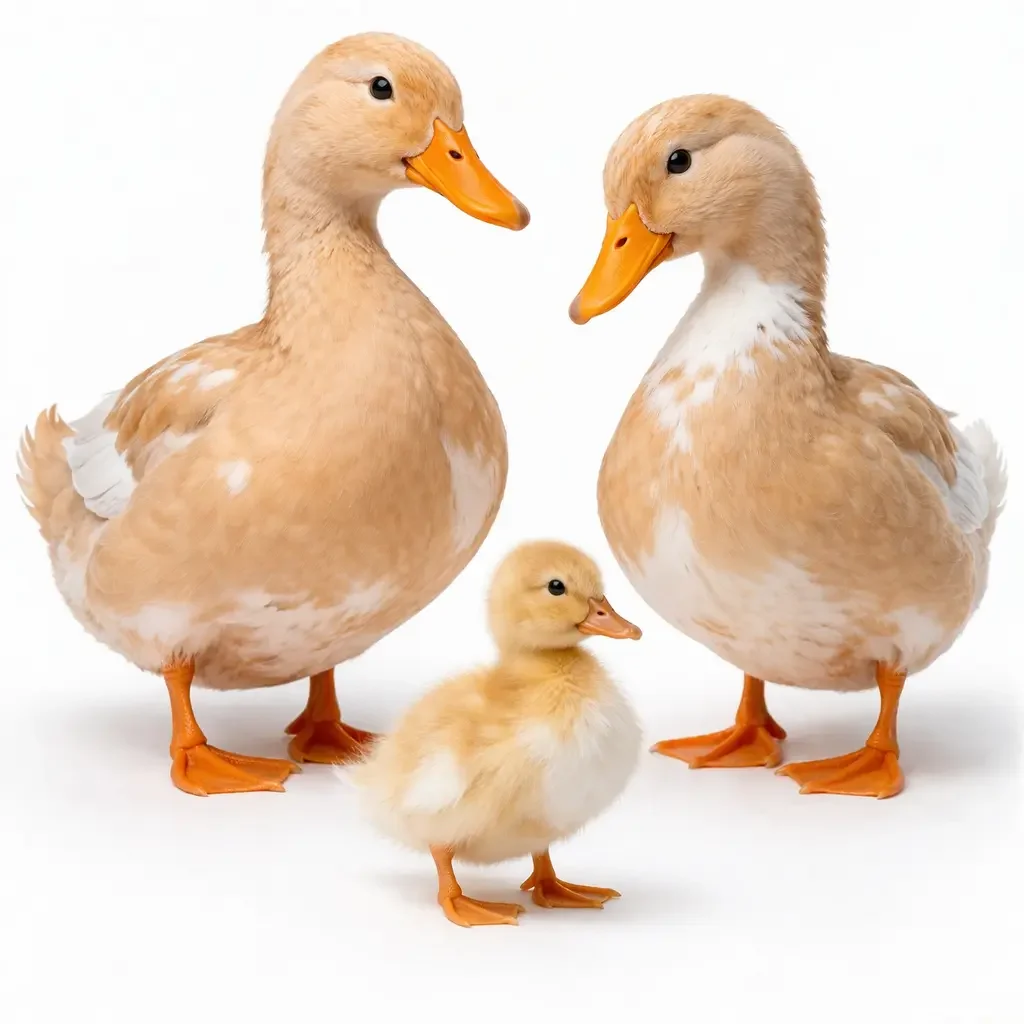
The Buff Orpington Duck, also known as the Buff Duck or simply the Orpington Duck, is one of the most complete and genuinely beautiful dual-purpose breeds in the domestic duck world. Created in late nineteenth-century England by the same William Cook who gave poultry keepers the Buff Orpington chicken, the Buff Orpington Duck combines warm golden plumage, a calm and people-oriented disposition, solid egg production, rapid meat development, and a reliable brooding instinct into a single medium-weight breed that the Midwest homesteader can depend on across every dimension of the working flock. It is a Threatened breed in North America with a conservation story worth understanding, and a production bird whose table quality in European culinary circles is considered by many chefs to exceed the commercially dominant Pekin. For homesteaders who want beauty, utility, and conservation value in a single breed, the Buff Orpington Duck belongs at the top of the consideration list.
Quick Facts
Class: Medium-weight (sometimes listed as lightweight to heavyweight depending on source; APA standard weight 7 to 8 pounds)
Weight: Drakes 7 to 8 pounds; hens 6 to 7 pounds
Egg Production: 150 to 220 large white to cream-tinted eggs per year
Egg Color: White to off-white or cream; occasionally lightly tinted
Egg Size: Large
Primary Purpose: Dual purpose (eggs and meat); exhibition; ornamental
Temperament: Docile, calm, friendly, people-oriented, less flighty than many breeds
Brooding: Moderate to good; hens retain brooding instinct and can be devoted mothers
Conservation Status: Threatened (The Livestock Conservancy); approximately 1,088 breeding birds in North America as of the 2015 census
APA Recognition: Accepted 1914 as "Buff," the only domestic poultry breed named solely by color in the American Standard
Country of Origin: United Kingdom (Orpington, Kent, England)
Year Developed: Blue variety shown 1896; Buff variety shown 1897; introduced to the United States 1908
Lifespan: 8 to 12 years
Image Section
Feature image: Buff Orpington drake showing warm golden-buff plumage and yellow billSecondary image: Buff Orpington hen with orange-brown bill foraging on pastureThird image: Pair of Buff Orpington ducks on a farm pond
Breed Overview
William Cook was one of the most productive poultry breeders in British history. Working from his farm at Orpington House in St Mary Cray, Kent, in the late nineteenth century, he developed multiple landmark breeds including the Buff Orpington chicken, which remains one of the most popular dual-purpose chicken breeds in the world, and several varieties of Orpington ducks. The duck breeding program used Cayuga, Indian Runner, Aylesbury, and Rouen as foundation crosses, with the deliberate goal of creating a breed that excelled at meat production, egg laying, and exhibition in a single attractive package.
Cook first showed the Blue Orpington duck in October 1896 at the Dairy Show in London's Agricultural Hall in Islington. The Buff variety followed in October 1897. The timing of the Buff's introduction was commercially astute: buff-colored plumage was a fashionable trend in early twentieth century British textiles and poultry circles, and Cook understood the market he was entering. The Buff Orpington capitalized on this trend and rapidly gained popularity across England.
Cook brought the Buff Orpington Duck to North America personally, showing a pair at the Madison Square Garden Show in New York City in 1908. The breed was admitted to the American Poultry Association Standard of Perfection in 1914 under the simple designation "Buff," making it the only domestic poultry breed in the American Standard named solely by color, without a location or breeder name attached. This unusual naming convention reflects the degree to which the Buff color was considered the defining characteristic of the breed at the time of standardization.
Cook also developed Black, Blue, Chocolate, and White Orpington varieties. Of these, only the Buff remains a recognized breed today. The others are largely or entirely extinct, and the Blue variety, which was known in the Americas for a period, is believed by some historians to have been absorbed into the Blue Swedish breed population through crossbreeding. The Buff Orpington Duck is therefore the sole surviving representative of Cook's duck breeding program.
Despite its quality, the Buff Orpington was gradually marginalized commercially as industrialized agriculture shifted production toward faster-growing, more feed-efficient breeds, primarily the Pekin. The breed's numbers declined significantly through the mid-twentieth century and it is now classified as Threatened by The Livestock Conservancy, with the 2015 census recording only 1,088 breeding birds across North America. This population is small enough that the breed's survival depends directly on the commitment of dedicated homestead breeders who maintain quality flocks and offer birds and hatching eggs to interested buyers.
Plumage and Appearance
The Buff Orpington's plumage is the breed's most immediately distinctive attribute and one of the most appealing color profiles in domestic waterfowl. The warm, uniform golden-buff tone that covers both sexes from head to tail is unlike any other common domestic duck breed, which makes a Buff Orpington flock visually distinctive in any setting. The color ranges from a soft, buttery light buff in lighter individuals to a richer, deeper golden-honey tone in birds with stronger buff expression.
Both sexes carry the same basic buff body color, which is one of the breed's unusual characteristics: unlike Mallard-pattern breeds where drakes are dramatically different from hens, Buff Orpington drakes and hens look similar at a glance. The distinction comes in bill color and body size. Drakes carry a yellow bill; hens carry an orange to brownish-orange bill. Drakes are one to two pounds heavier than hens and develop the characteristic curled drake tail feather at maturity. Both sexes have orange-yellow legs and feet and warm brown eyes.
The buff color is produced by a blue dilution gene, and this gene does not breed perfectly true. Buff Orpington flocks consistently produce some individuals in blonde and brown color variations alongside the true buff birds. For production flocks this variation is cosmetically irrelevant. For show birds, breeders select against non-buff plumage and cull blondes and browns from the breeding population to maintain color consistency.
For meat production purposes, selecting breeders with lighter, closer-to-white pin feathers rather than deep buff pin feathers produces a cleaner dressed carcass with fewer visible residual pin feather marks in the skin. The Livestock Conservancy notes that the Buff's light feathering produces a clean-dressing carcass that many experienced butchers consider easier to finish cleanly than a Pekin, despite the Pekin's white plumage reputation.
The body is long and broad with an oval head, a medium-length straight bill attached high on the head, and a gracefully curved neck of medium length. Carriage is held slightly above horizontal, reflecting the breed's active foraging orientation. The profile is elegant and well-balanced rather than blocky or heavily keeled.
Egg Production
Buff Orpington egg production falls in a solid mid-range for a medium-weight dual-purpose breed: 150 to 220 large white to cream-tinted eggs per year from well-managed hens. Some sources report individual hens reaching the upper end of 220 and above in peak production years. This output is meaningfully below the Welsh Harlequin or Khaki Campbell at their best, but it is above most heavyweight breeds and sufficient to supply a family with fresh duck eggs through the year with a modestly sized flock.
An important practical note is that Buff Orpington hens are reported to be egg collectors: hens that go broody or begin nesting will gather unattended eggs from other locations in the housing area and roll them into their own nest, accumulating large clutches that may include eggs from multiple hens. This behavior is worth managing through regular egg collection to ensure eggs intended for eating or incubation are gathered before they accumulate under a broody hen.
Eggs are large, white to cream-tinted, and strong-shelled. Duck eggs from the Buff Orpington are used in the same culinary contexts as all quality duck eggs: direct consumption, baking, pastry, and fresh market sales where duck eggs command premium pricing over chicken eggs.
The breed retains a more reliable brooding instinct than production-focused lightweight breeds. Buff Orpington hens can go broody, are considered decent to good sitters, and make protective and attentive mothers once ducklings hatch. For homesteaders who want a degree of natural flock reproduction without full incubator dependence, the Buff Orpington is one of the more reliable choices in the dual-purpose category. An incubator remains a useful supplement for managing production and timing hatch dates predictably.
Meat Quality
Buff Orpington meat quality is one of the more underappreciated stories in domestic duck production. In European culinary circles, particularly among high-end restaurant chefs in Britain and France, Buff Orpington duck is considered by many practitioners to deliver a more robustly flavored and more tender product than commercially produced Pekin. The breed's active foraging lifestyle and slower development compared to commercial meat breeds produce well-exercised muscle tissue with more complex flavor than fast-grown, confinement-raised commercial duck.
The dressed carcass is clean and well-presented. The light buff pin feathering dresses out more cleanly than many expect from a colored breed, and meat producers selecting birds with the lightest available pin feather coloration in their breeding flock can achieve a consistently attractive finished product.
The growth rate is genuinely impressive for a heritage breed: Buff Orpingtons reach market weight in eight to ten weeks, significantly faster than the Rouen's six to eight months and competitive with commercial alternatives when the quality of the finished product rather than pure production speed is the metric. For homestead meat production where the goal is outstanding eating quality rather than maximum volume at minimum cost, the eight to ten-week timeline is practical and commercially viable.
Best Preparations
Whole roasted Buff Orpington at high heat produces a well-browned, richly flavored carcass that showcases the breed's superior flavor profile compared to commercial duck. A simple preparation with aromatic herbs, citrus, and rendered fat allows the natural flavor to carry the dish without heavy seasoning. Pan-seared breast to medium-rare with butter and fresh herbs is a reliable kitchen approach for the most prized cuts. Duck confit from the legs and thighs works particularly well given the breed's active foraging lifestyle and the well-developed muscle tissue it produces. The meat suits both French-influenced and American rustic preparations and is versatile across a wide range of culinary traditions.
Temperament and Behavior
The Buff Orpington's temperament is consistently described as one of its defining qualities, and it mirrors the calm, friendly character of the Buff Orpington chicken that shares its creator and its name. The breed is docile, less easily startled than lighter or more anxious breeds, comfortable in human company, and willing to bond with its keepers through regular handling from duckling age. Both drakes and hens have easygoing, sociable personalities that make the breed approachable for beginners, suitable for families with children, and pleasant to manage in daily homestead routines.
The breed is relatively quiet compared to excitable lightweight layers. Hens produce standard duck vocalizations but with less repetitive frequency than breeds like the Khaki Campbell. Drakes are quiet as typical of male ducks. The overall noise profile of a Buff Orpington flock is manageable in most settings including suburban and semi-rural properties.
The breed alerts to predator threats and vocalizes warnings without the chronic anxiety responses of flightier breeds. It is calm under normal conditions and clear about disturbance when it occurs, which is a useful behavioral combination for a free-ranging homestead flock.
The recommended drake-to-hen ratio is one drake to five hens, consistent with most medium and heavyweight domestic duck breeds.
Foraging and Pasture Performance
Buff Orpington ducks are active and capable foragers whose performance on pasture is frequently cited as one of the breed's underappreciated strengths. Their Indian Runner genetics in the foundation cross contribute foraging drive and activity level to what is otherwise a calm, medium-weight breed, resulting in birds that work a pasture or garden area with genuine purpose without the anxiety and unpredictability of pure Runner bloodlines.
On quality pasture, Buff Orpingtons reduce feed costs by supplementing their diet with insects, slugs, snails, worms, aquatic invertebrates, and plant material. Their pest control contribution is meaningful and consistent, and they are frequently recommended for garden rotation systems where duck foraging between plantings reduces insect and mollusk pressure without the aggressive root-disturbing behavior of geese.
The breed does not fly. Adults can achieve brief hop-flaps of a few inches at most, making standard perimeter fencing fully adequate for confinement. Their calm movement style means they manage garden access better than high-energy breeds without sacrificing foraging effectiveness.
Climate Adaptability
The Buff Orpington is a hardy breed suited to a wide range of climates including the full Midwest seasonal range. Its British origins in the temperate, variable climate of Kent in southeast England produced a breed with good cold tolerance, and the breed handles Midwest winters well with appropriate wind-protected housing and access to unfrozen water. Summer heat management follows the same principles as all domestic duck breeds: shade and continuous access to cool water during peak afternoon temperatures. The breed does not show particular sensitivity to either extreme of the Midwest climate spectrum.
Housing and Management
Buff Orpington ducks require standard domestic duck housing scaled for their medium body weight. A minimum of four to five square feet of indoor floor space per bird and ten square feet of outdoor run space is adequate, with more space consistently producing better welfare and production outcomes. The breed's calm temperament means it tolerates managed confinement without chronic stress, though it performs best and produces most reliably with access to outdoor foraging areas.
Swimming water access through a trough, stock tank, or pond is strongly recommended and enthusiastically used by the breed. Pond access supports natural behavior, feather maintenance, and the breed's ornamental quality on farm water features, where the warm golden plumage against open water makes a distinctive visual impression.
Egg collection frequency matters with this breed given the tendency of broody hens to accumulate eggs from the broader flock. Daily collection prevents egg accumulation under nesting hens and ensures production eggs are gathered while fresh.
Pros and Cons
Pros
Outstanding dual-purpose performance: solid egg production and high-quality meat in an eight to ten-week development window
One of the most visually striking and uniquely colored domestic duck breeds; warm buff plumage is unlike any other common breed
Docile, calm, people-friendly temperament suited to beginners, families, and mixed-species homestead environments
Retains brooding instinct more reliably than production-focused breeds; hens can be good natural mothers
Active and effective foragers that contribute meaningfully to pest management
Meat quality rated by European chefs as superior to commercial Pekin in flavor and tenderness
Does not fly; standard fencing is sufficient for confinement
Light pin feathering produces a clean, commercially appealing dressed carcass
Keeping quality Buff Orpington birds contributes directly to conservation of a Threatened heritage breed
The only domestic poultry breed in the American Standard named solely by color; an interesting historical footnote that resonates in direct marketing
Cons
Threatened conservation status; quality birds are difficult to source and typically require advance planning and waitlists
Egg production ceiling lower than Welsh Harlequin or Khaki Campbell for homesteaders prioritizing maximum egg volume
Buff color does not breed perfectly true; blonde and brown variations appear in most flocks
Moderate broodiness means incubator investment is still recommended for reliable production hatching
Less widely available than Pekin from general hatchery sources; sourcing requires more research
Body weight lower than Saxony or Rouen for homesteaders prioritizing maximum meat yield per bird
Profitability
The Buff Orpington's profitability profile is built on multiple revenue streams and a distinctive story that carries weight in direct-market contexts. Duck eggs from a Buff Orpington flock sell at premium over chicken eggs through farmers markets and direct farm sales. Whole dressed Buff Orpington ducks command premium pricing over commercial duck at the same channels, particularly when the heritage breed story and European culinary reputation are communicated to buyers.
Hatching eggs and ducklings from quality Buff Orpington bloodlines carry significant premiums given the breed's Threatened status and the small number of quality breeding operations in North America. A well-maintained breeding flock with documented production records and strong conformation is a genuine seller's market in most regions. Breeding stock quality drakes and pairs are also in consistent demand from homesteaders looking to establish or improve their own flocks.
The breed's ornamental quality adds a fourth revenue dimension: Buff Orpington pairs and small flocks are sought for farm pond and decorative water feature use by property owners who want a non-flying, visually distinctive, and calm-tempered pond duck with production capability alongside the aesthetic value.
Comparison With Related Breeds
Khaki Campbell: The Khaki Campbell is the world's premier egg-laying duck and the correct choice for homesteaders whose sole priority is maximum egg count from a lightweight, feed-efficient bird. The Buff Orpington delivers a more complete dual-purpose package with better meat development, superior ornamental value, and a calmer temperament, in exchange for a meaningful reduction in peak egg production.
Welsh Harlequin: The Welsh Harlequin is the closest direct comparison in the dual-purpose medium-weight category. Both breeds offer solid egg production, good meat quality, calm temperament, and beautiful plumage. The Welsh Harlequin typically outperforms the Buff Orpington in egg production numbers from quality breeding flocks. The Buff Orpington outperforms in ornamental warmth and the distinctive buff color profile. Both are Watch or Threatened heritage breeds worth supporting.
Saxony Duck: The Saxony is a heavier dual-purpose breed that outperforms the Buff Orpington in meat yield per bird while matching it in egg production range. The Saxony's blue-gray and chestnut plumage is more dramatically striking in the drake, while the Buff Orpington's warm, uniform buff tone is more quietly distinctive across both sexes. Both are Threatened breeds requiring dedicated breeder support.
Pekin Duck: The Pekin is faster-growing, more widely available, and dominates commercial production. The Buff Orpington delivers superior meat flavor in the opinion of many experienced producers and chefs, a more complete dual-purpose profile including reliable broodiness, and conservation value the Pekin does not offer. For homesteaders who can absorb the additional sourcing effort, the Buff Orpington is a more interesting and arguably more rewarding breed to keep.
Final Verdict
The Buff Orpington Duck is one of the most thoroughly satisfying breeds in the domestic duck directory. It is beautiful, productive, calm, self-sustaining in its brooding capability, and carries a conservation story that adds genuine meaning to the decision to keep it. Its meat quality is respected by serious culinary practitioners on two continents, its egg production is reliable and commercially viable, and its warm golden presence on a farm pond or in a managed pasture is unlike anything else in the domestic duck world. For Midwest homesteaders willing to invest in sourcing quality birds from dedicated breeders, the Buff Orpington Duck returns that investment across every dimension of homestead utility.
Frequently Asked Questions
What is the difference between a Buff Duck, a Buff Orpington Duck, and an Orpington Duck? They are all the same breed. The APA Standard of Perfection recognizes the breed under the name Buff, making it the only domestic poultry breed named solely by color. Buff Orpington Duck is the most complete and accurate common name. Buff Duck is the shortened version used in everyday homestead and production contexts. All three names refer to the same bird.
How many eggs do Buff Orpington ducks lay? Quality-bred hens produce 150 to 220 large white to cream-tinted eggs per year. Individual variation within this range depends on bloodline, management, and season.
Do Buff Orpington ducks go broody? Yes, more reliably than many production-focused breeds. Hens can go broody, are considered decent to good sitters, and make attentive mothers. An incubator is still recommended for predictable production hatching, but natural brood raising is a realistic option with this breed.
How fast do Buff Orpington ducks grow for meat? They reach market weight in eight to ten weeks, which is significantly faster than heritage breeds like the Rouen and practical for homestead meat production cycles.
Are Buff Orpington ducks rare? Yes. They are classified as Threatened by The Livestock Conservancy with approximately 1,088 breeding birds in North America as of the 2015 census. Quality stock requires sourcing from dedicated heritage breeders, often with advance notice and waitlists.
Can Buff Orpington ducks fly? No. Adults can achieve brief low hop-flaps of a few inches at most. Standard perimeter fencing without netting is sufficient for confinement.