
Call Duck
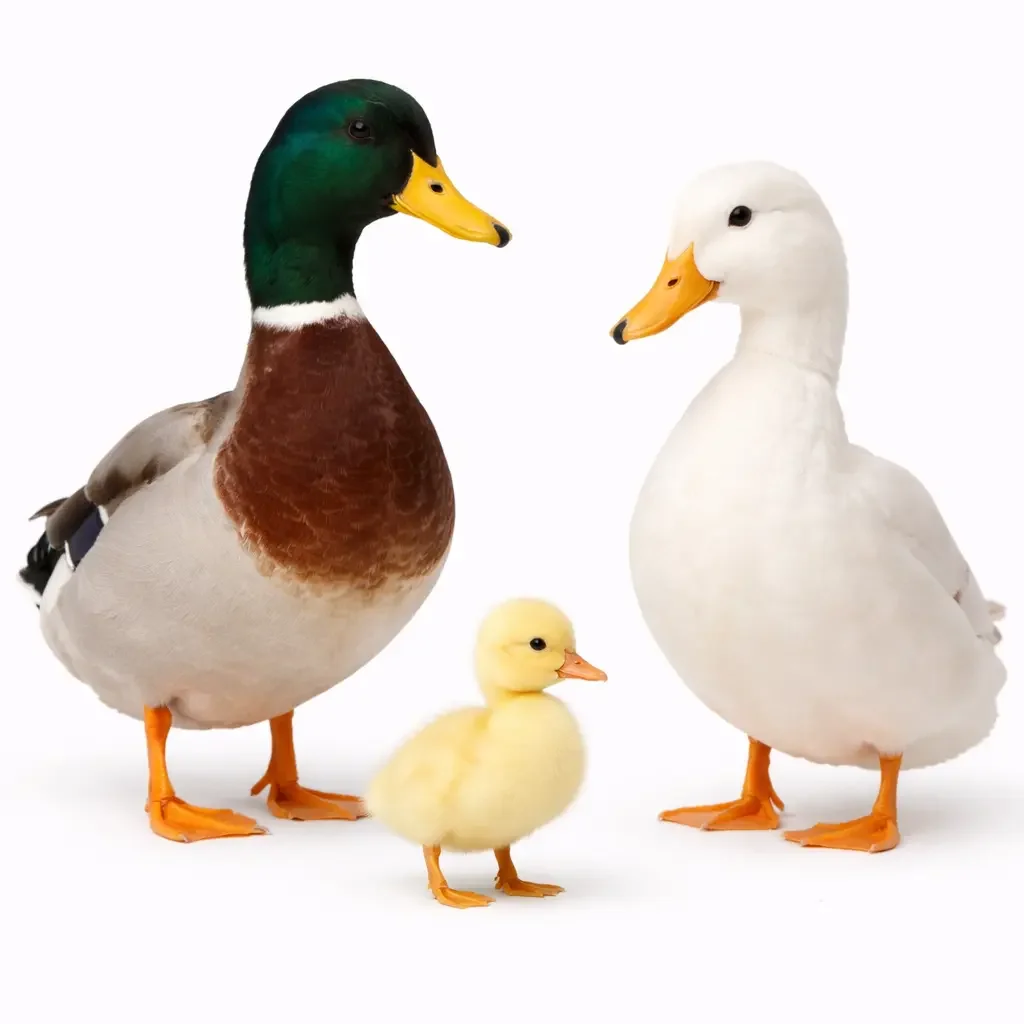
The Call Duck is the smallest domestic duck in the world and one of the loudest animals per unit of body size in any barnyard. Weighing less than a pound in the hens of some lines and rarely exceeding two pounds in drakes, the Call is a bantam breed that looks like someone took a standard duck and compressed it into a round, compact, large-eyed package with an extraordinarily short bill. It does not provide meaningful meat production. It does not lay eggs in quantities that matter to a production-focused operation. What it provides is something harder to quantify but genuinely valuable on a working homestead: extraordinary beauty across dozens of color varieties, a personality so engaging and outgoing that experienced duck keepers consistently describe Call Ducks in terms usually reserved for pets rather than livestock, a brooding instinct that makes the breed surprisingly useful for hatching eggs from other small breeds, a documented history stretching back to seventeenth-century Dutch duck hunting culture, and an exhibition record that makes it the most competitive and sought-after show duck in the world. This is not a production bird. It is something else entirely, and it earns its place at the end of the domestic duck directory.
Quick Facts
Class: Bantam (the world's smallest domestic duck breed)
Weight: Drakes 0.94 to 2 pounds; hens 0.85 to 1.56 pounds (significant variation by breeding line; show lines are smallest, production lines somewhat larger)
Egg Production: 25 to 150 small eggs per year; typically 50 to 100 in most lines; strongly seasonal, primarily spring
Egg Color: White to off-white; some varieties produce pale blue or green eggs
Egg Size: Very small; approximately 35 to 50 grams, roughly half the size of a standard duck egg
Primary Purpose: Exhibition; ornamental; pet; broody surrogate for other bantam eggs
Temperament: Vocal, curious, social, active, easily bonded with keepers; females are famously loud
Brooding: Strong; hens are often determined broodies and can be attentive mothers despite tiny size
Conservation Status: Endangered in the Netherlands (original range); globally the most popular exhibition duck but total number of high-quality breeders is limited
APA Recognition: White and Gray accepted 1874; additional color varieties recognized over time
Country of Origin: Netherlands; probable seventeenth-century Dutch hunting decoy origin
Lifespan: 4 to 15 years; well-cared-for birds often reach 10 to 12 years; some exceed 15
Image Section
Feature image: White Call Duck pair showing the compact, round body and short stubby billSecondary image: Gray (Mallard-pattern) Call Duck drake displaying iridescent green headThird image: Multiple Call Duck color varieties side by side
Breed Overview
The Call Duck's history begins in the Dutch Republic of the seventeenth century, where the breed was developed not for egg or meat production but for a specific and practical hunting purpose: to attract and lure wild ducks into traps. Dutch wildfowlers discovered that a small duck with an unusually high-pitched, penetrating call could be used as a live decoy, tethered near a trap or net to attract wild Mallards and other waterfowl within capture or shooting range. The breed was selected over generations for smallness, which made the bird easy to carry and conceal, and for the volume and pitch of the hen's call, which could be heard at distances wild ducks would respond to. The breed's name derives directly from this calling function.
The naturalist Francis Willughby documented the Dutch decoy duck system in the 1660s after traveling through the Netherlands, and small ducks closely resembling the modern Call Duck appear in the paintings of Melchior d'Hondecoeter from approximately the same period. The Call reached Britain by the mid-nineteenth century, with an early written description from Dublin in 1850, and was included in the first British poultry standard published by William Bernhardt Tegetmeier in 1865, making it one of the earliest recognized domestic duck breeds in the standardization tradition. The White and Gray varieties were accepted by the American Poultry Association in 1874.
The breed's hunting utility faded as wild duck populations declined and hunting methods changed, but its ornamental and exhibition appeal grew in proportion. Today the Call Duck is the most popular show duck breed in the world. The Champion Waterfowl Exhibition, one of the largest poultry shows in the United Kingdom, sometimes receives more than 300 Call Duck entries. In competitive exhibition circles, the breed's extraordinarily short bill, round head, large dark eyes, and compact body are the primary selection targets, and breeders invest considerable effort in achieving show-standard conformation.
An important tension exists in the Call Duck world between exhibition breeding and utility. Birds bred to the most extreme show standards, with the shortest possible bills and most spherical possible bodies, often experience reduced fertility and hatching difficulty. Show-quality hens with very short, deep bills may have difficulty hatching their own eggs without assistance. Drakes with extremely compact bodies may struggle with successful natural mating. These issues are less pronounced in lines that balance show type with functional breeding capability.
Plumage and Appearance
The Call Duck's appearance is frequently compared to a stuffed toy or a plush decoration, and the comparison is accurate enough that new keepers often do a double take when they first encounter a well-bred Call at close range. The body is round, deep, and compact, almost spherical when viewed from above. The head is large and rounded relative to the body, with eyes set prominently and appearing darker and larger than in any other domestic duck breed. The bill is the most distinctive feature of the breed: it is unusually short, wide, and stubby, giving the face a pushed-in, almost pug-like profile that is entirely unlike the bill shape of any standard domestic duck breed.
The color variety available in Call Ducks is extraordinary and exceeds that of any other domestic duck breed. In the Netherlands, approximately twenty color varieties are recognized; the British Waterfowl Association and the Poultry Club of Great Britain recognize a similar number. APA-recognized colors in the United States include White, Gray (Mallard pattern), Blue Fawn, Buff, Apricot, Pied, Snowy, Bibbed, Black, and others. The White is the most classically associated with the breed and is among the most popular at shows. The Gray follows the standard Mallard pattern of drake plumage in a miniaturized form. The full range of color varieties means that a committed Call Duck breeder can spend years exploring different genetic combinations without exhausting the available palette.
Both sexes are small, but hens are measurably lighter than drakes. The drake develops the characteristic curled tail feather at maturity. Hens in many color varieties can be identified by lighter head coloration relative to drakes, though the most reliable sex identification is voice: the hen's call is loud, high-pitched, and penetrating in a way that carries across remarkable distances; the drake's voice is quieter and raspier.
The Legendary Voice
The Call Duck hen's call is the breed's most immediately arresting characteristic for new keepers, and one that must be understood and accepted before acquiring birds. It is loud. Not merely duck-loud, but loud in a category of its own: a high-pitched, piercing sound that carries across distances wild ducks respond to at range, which was the entire point of the breeding program that produced it. Individual hens vary in their calling frequency and enthusiasm, but the potential volume is always present.
This vocal intensity is the single largest practical consideration for anyone managing a Call Duck in a setting with neighbors, noise ordinances, or sound-sensitive environments. A pair of Call Duck hens can generate complaint-worthy noise from considerable distances. Experienced keepers who value the breed for its other attributes but manage suburban or semi-rural settings often keep only one or two hens or specifically seek quieter individual birds from lines that have not been selected for maximum calling volume.
Drakes, in contrast, are considerably quieter and produce the raspy, suppressed sound typical of domestic duck drakes. A drake-only group of Call Ducks is notably less disruptive than any flock that includes hens.
Egg Production
The Call Duck's egg production ranges from essentially nothing in some heavily exhibition-bred show lines to a seasonal 100 to 150 eggs per year in more utility-oriented production lines. Most birds fall somewhere in the middle, producing 50 to 100 small eggs per year during the spring laying season, then reducing or stopping entirely through summer heat and winter cold.
The eggs are small, approximately half the size of a standard large duck egg, and white to off-white in shell color with some variety-specific pale blue or green tinting. Despite their small size, the eggs have the same rich yolk-to-white ratio and dense, flavorful character of all duck eggs. They are perfectly edible and suit baking applications particularly well, though they are obviously not practical as a primary egg production source for any homestead operation that values volume.
The most practically significant aspect of Call Duck reproduction is broodiness. Many Call Duck hens, particularly those from lines that have not been selected exclusively for exhibition at the expense of reproductive function, will go broody reliably and make determined, attentive mothers. This brooding instinct is so consistent in some lines that Call Duck hens are used as surrogate broodies for the eggs of other small duck breeds or bantam chickens, hatching clutches much larger than their own eggs could fill. A determined Call Duck hen sitting on a clutch of eggs with the focused intensity that experienced keepers describe is one of the more impressive domestic animal experiences available on any homestead.
Exhibition and Show Culture
The Call Duck is the most widely shown duck breed in the world and the cornerstone of bantam waterfowl exhibition culture in every country where competitive poultry showing occurs. The competition standard focuses on body type, bill shape, head shape, eye prominence, color marking precision, and overall roundness and compactness. The ideal show Call is as small as possible, as round as possible, with the shortest and deepest bill achievable, and with perfectly centered, large, dark eyes set in a head that reads as almost disproportionately large relative to the compact body.
Achieving this show standard while maintaining functional breeding capability is the central challenge of Call Duck breeding. As birds are selected toward ever more extreme conformations, fertility, hatchability, and natural mating success tend to decline. Experienced exhibition breeders manage this through careful pairing of extreme show-type birds with straighter-billed, functionally sounder mates, then selecting the best-conformed offspring from those pairings for the next exhibition generation.
For homesteaders who keep Call Ducks primarily as ornamental pets and occasional broodies rather than exhibition birds, show standard conformity is less critical and functionally sound, fertile birds from reputable lines are the appropriate sourcing target.
Brooding Utility
The Call Duck hen's reliable brooding instinct gives the breed a practical homestead utility that extends beyond its ornamental value. A Call Duck hen can successfully incubate and hatch the eggs of other bantam duck breeds, small chicken breeds, or even slightly larger ducks, serving as a surrogate broody for breeds that have had broodiness selected out through production-focused breeding programs.
The practical application is most relevant for homesteaders who keep a primary laying breed such as Welsh Harlequin or Khaki Campbell, both of which rarely go broody, alongside a small Call Duck breeding group. The Call Duck hens provide the natural hatching capability that the laying breed lacks, creating a functional partnership between the production flock and the bantam ornamental birds.
Foraging and Pest Control
Call Ducks forage actively and with genuine engagement for their body size, hunting insects, small invertebrates, and plant material with enthusiasm disproportionate to their tiny frames. In garden applications, their very small body weight is a specific advantage: a one-pound Call Duck foraging in a vegetable bed causes essentially no soil compaction and minimal plant disturbance, allowing pest hunting in settings where even Magpie or Indian Runner-sized birds would cause damage through their weight and foraging style.
For slug and snail control specifically, Call Ducks are effective hunters that can be rotated through garden beds with minimal management of bed damage, making them potentially the most garden-friendly domestic duck available for that specific application.
Predator Vulnerability
The Call Duck's small size creates a predator vulnerability that keepers must account for more carefully than with standard-sized breeds. A one-pound hen is within the prey size range of red-tailed hawks, great horned owls, mink, weasels, large rats, and domestic cats, in addition to the standard domestic duck predators like foxes, raccoons, and coyotes. Aerial predator risk is particularly significant given the Call Duck's compact size and the likelihood of free-ranging birds being targeted by raptors.
Secure nighttime housing, covered runs, and thoughtful free-range supervision are not optional for Call Duck management. The breed's small size and generally calm nature means it does not flee from threats with the urgency of wilder or larger breeds, making keeper vigilance an important component of flock safety.
Climate Adaptability
The Call Duck is cold-hardy and copes well with winter conditions when provided with appropriate shelter from wind and access to unfrozen water. Their dense, waterproof feathering provides good insulation relative to their small body mass, and they have been kept in northern European and North American climates for centuries without special cold management requirements beyond standard domestic duck care.
Summer heat tolerance is reasonable with access to shade and cool water. The breed does not show particular vulnerability to either climate extreme in Midwest conditions.
Housing and Management
Call Ducks require less floor space per bird than any standard-sized domestic duck, making them the most space-efficient domestic duck for keepers with limited property. Two to three square feet of indoor floor space per bird and six to eight square feet of outdoor run space per bird is adequate. Fencing must account for the breed's flight capability: Call Ducks can fly, particularly when startled, and will take wing over standard four-foot fencing without difficulty. Covered runs, wing clipping, or fully enclosed flight pens are necessary for reliable confinement.
Water access for swimming and bathing is used enthusiastically by the breed and supports feather maintenance and natural behavior. A simple rubber tub or low-sided pool provides adequate swimming access scaled to the bird's small frame.
Breeding Challenges
Beyond the exhibition conformity tensions described earlier, breeding Call Ducks successfully requires attention to genetic diversity, functional reproductive anatomy, and the hatching assistance that very small-billed birds may need. Hens with extremely short, deep bills sometimes cannot hatch their own eggs without keeper assistance at the pip stage, where the duckling's bill is the tool for breaking through the shell: a very short bill creates a mechanical disadvantage at this critical moment. Breeders who maintain birds with slightly longer bills, sacrificing some show conformation, typically experience better natural hatch rates.
Pros and Cons
Pros
The world's smallest domestic duck; suitable for the most space-limited homestead and urban backyard settings
More color variety than any other domestic duck breed; extraordinary visual breadth across dozens of recognized varieties
Reliable brooding instinct in functional lines; valuable as surrogate broodies for non-broody production breeds
Extremely long-lived; well-cared-for birds commonly reach 10 to 15 years
Docile, social, intelligent, and strongly people-bonded when handled from duckling age
Outstanding show duck; the most competitive and widely shown bantam duck breed in the world
Very small body weight makes them the most garden-friendly forager for sensitive planting areas
Documented four-century history with roots in Dutch wildlife management
Cons
Hen's call is famously loud and penetrating; potentially problematic in noise-sensitive settings
Not a production breed: 25 to 150 small eggs per year, no meaningful meat yield
Seasonal layer with significantly reduced or absent production through fall and winter
Flight-capable; covered runs or wing clipping required for reliable confinement
Small size creates elevated predator vulnerability including aerial predator risk
Show breeding lines may have reduced fertility, difficulty with natural mating, and hatch assistance requirements
Not suitable as a primary laying or meat breed; purely ornamental and exhibition utility
Profitability
The Call Duck's profitability profile is built on exhibition, breeding stock sales, and novelty rather than egg or meat production. Quality Call Ducks from well-documented show lines command significant prices at waterfowl shows and through direct breeder sales, with champion-quality birds from established exhibition families attracting serious buyer attention. Breeding pairs and hatching eggs from proven lines carry premium pricing that reflects the investment required to produce conformationally correct, color-accurate birds.
For homesteaders who keep Call Ducks primarily as pond ornaments, pet companions, or surrogate broodies rather than exhibition birds, the profitability profile is modest: the occasional batch of hatching eggs from a proven breeding pair, the occasional duckling sale to local buyers who want a small, charming pond duck, and the intangible but real value of having the most ornamentally beautiful and engaging duck breed in the yard.
Comparison With Related Breeds
Crested Duck: The Crested Duck shares the Call Duck's strong ornamental appeal and exhibition culture but is a standard-sized breed rather than a bantam. The Crested provides meaningful egg production of 100 to 150 per year and a table bird at six to seven pounds, while the Call provides neither in practical quantities. Both are kept primarily for their visual character and personal appeal; the Crested suits homesteaders who want ornamental value alongside genuine production utility, while the Call suits those who want the pure ornamental and pet experience in the smallest possible package.
Miniature Silver Appleyard: The Miniature Silver Appleyard is a bantam-sized version of the Silver Appleyard that, like the Call Duck, occupies the small ornamental/exhibition niche. The Miniature Appleyard is somewhat larger and more functional as a layer and meat bird than the Call, while the Call is smaller and more extreme in its ornamental character. Both are excellent choices for bantam duck enthusiasts; the Call offers greater color variety and a deeper exhibition culture.
Bali Duck: The Bali Duck is a crested, Indonesian Runner-type bantam duck that also combines small ornamental size with moderate egg production capability. The Bali is somewhat less extreme in its ornamental specialization than the Call, retaining meaningful egg-laying function while still presenting a visually distinctive crested appearance.
Indian Runner Duck: The Indian Runner shares the Call Duck's unusual body structure story, the Runner through its extreme upright posture and the Call through its compressed round form. Both breeds were shaped by specific selection pressures over centuries: the Runner for walking efficiency and foraging, the Call for small size and loud calling. The comparison illustrates how different selection goals produce radically different physical outcomes from the same Mallard genetic foundation.
Final Verdict
The Call Duck is the duck world's most concentrated expression of what makes any domestic animal valuable beyond its production output: the pure pleasure of its company, its presence in the yard, and the character it brings to a homestead that no production metric can capture. It does not lay enough eggs to matter commercially. It does not grow large enough to provide a meaningful meal. What it does is fill whatever space it occupies with movement, sound, color, and personality in quantities that experienced duck keepers consistently describe as out of proportion to its tiny body. For homesteads where ornamental pleasure, exhibition, companion animals, and surrogate brooding capability are valued alongside the practical considerations of eggs and meat, the Call Duck is the most charming and historically significant bantam duck in the world.
Frequently Asked Questions
Are Call Ducks good for beginners? Yes for general management and bonding, with important caveats: the hen's call is loud enough to create real problems in noise-sensitive settings, the birds can fly and require covered confinement or wing clipping, and they are small enough to be vulnerable to a wider range of predators than standard-sized ducks. Beginners who understand these specific requirements will find Call Ducks rewarding and manageable.
How many eggs do Call Ducks lay? Most Call Duck hens produce 50 to 100 small eggs per year during the spring season. Some production-oriented lines reach 150; some heavily exhibition-bred show lines produce very few or none. The eggs are approximately half the size of a standard large duck egg.
Why are Call Ducks so loud? The breed was selected for centuries specifically for the hen's ability to produce a loud, high-pitched, penetrating call that attracted wild ducks at range. This was the breed's original hunting utility as a live decoy. The loud call is a defining characteristic of the breed; hens that do not call loudly are less typical of the breed standard.
Can Call Ducks fly? Yes. Unlike most standard-sized domestic duck breeds, Call Ducks are capable fliers. Wing clipping or covered runs are required for reliable confinement.
How long do Call Ducks live? Well-cared-for Call Ducks commonly live 10 to 12 years and some individuals reach 15 or more, making them among the longest-lived domestic ducks. They also tend to remain fertile and productive for longer than many other breeds.
Can Call Ducks be used as broodies for other breeds? Yes, in practical terms. Call Duck hens with strong brooding instincts can incubate and hatch eggs from other bantam duck breeds, bantam chicken breeds, and even some standard-sized duck eggs, serving as surrogate broodies for breeds that have lost their brooding instinct through production-focused selection.