
Best Beef Cattle Breeds for Small Farms and Homesteads
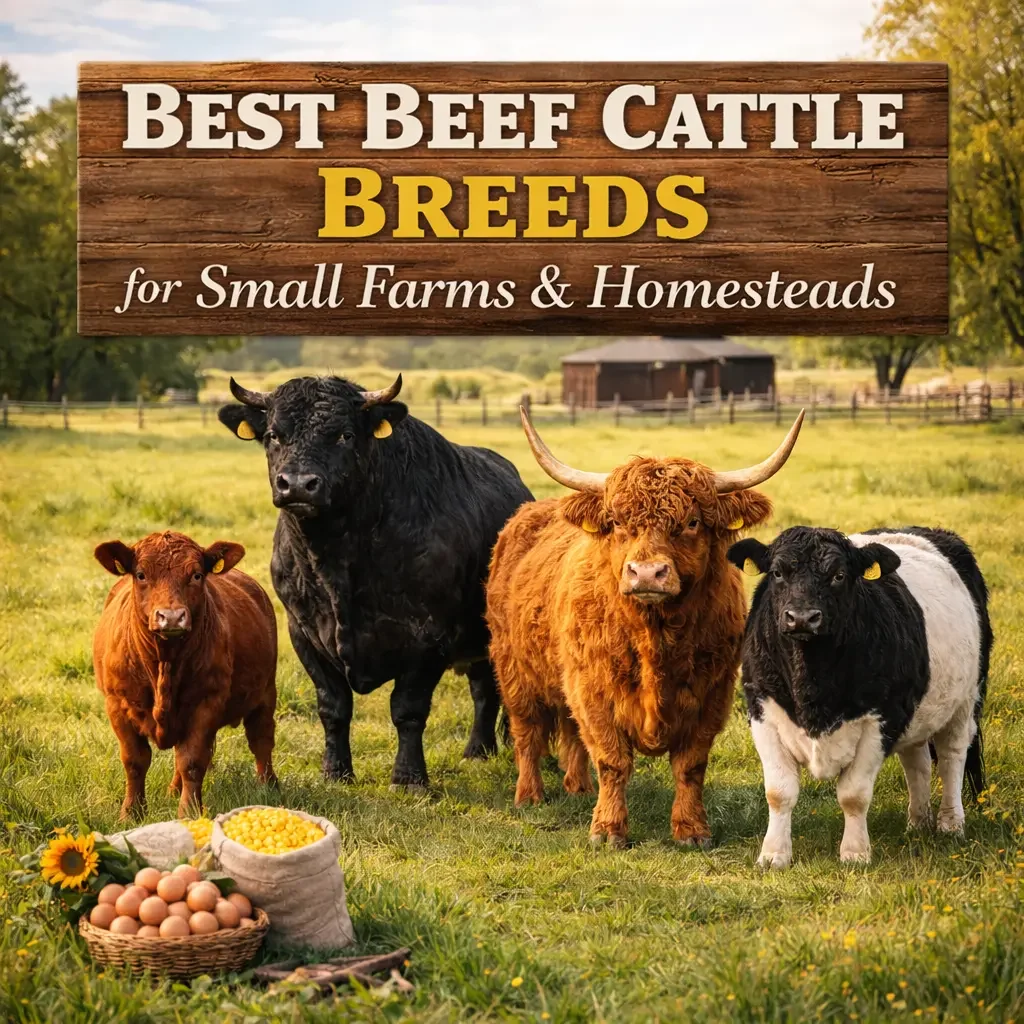
Raising beef cattle on a small farm or homestead can be one of the most rewarding agricultural ventures. Whether you have 2 acres or 20, choosing the right cattle breed and implementing proper management practices can provide your family with high-quality beef, additional income, and the satisfaction of sustainable food production. This comprehensive guide will help you navigate the essential considerations for successful small-scale beef cattle farming.
Understanding Small Farm Cattle Requirements
Before diving into specific breeds, it's crucial to understand the basic requirements for raising beef cattle on limited acreage. Small farm cattle operations differ significantly from large commercial ranches, requiring careful planning and management to maximize success.
Land and Space Requirements
The general rule of thumb for cattle stocking rates is approximately 1-2 acres per cow-calf pair, though this varies dramatically based on forage quality, climate, and management practices. In regions with excellent pasture and adequate rainfall, you might graze one animal per acre. In arid regions or on marginal land, you may need 5-10 acres or more per animal.
For small farms with limited acreage, consider these realistic stocking scenarios. On a 5-acre property, you could comfortably raise 2-3 cattle with rotational grazing and supplemental feeding. A 10-acre farm can support 4-6 animals depending on pasture quality. Properties of 20 acres or more can maintain a small breeding herd of 8-12 animals with proper management.
Rotational grazing systems can significantly increase your effective carrying capacity. By dividing pastures into smaller paddocks and rotating cattle every few days, you allow forage to recover and can often increase stocking rates by 30-50 percent compared to continuous grazing.
Infrastructure and Fencing
Proper fencing is essential for cattle management. You'll need strong perimeter fencing to keep cattle contained and can use less expensive interior fencing for rotational grazing. Electric fencing, particularly high-tensile electric fence, offers an affordable and effective option for small farms. A single strand of electric fence at nose height can effectively contain trained cattle.
Essential facilities for small farm cattle include a sturdy handling system with a headgate for veterinary care and breeding activities, shelter from extreme weather (though many breeds require minimal shelter), reliable water sources in each pasture with automatic waterers or tanks, and secure hay and feed storage to protect from weather and rodents.
Time and Labor Considerations
Small farm cattle are relatively low-maintenance compared to other livestock, but they still require consistent daily attention. Expect to spend 30-60 minutes daily on basic care including checking animals, ensuring adequate water, monitoring fences, and feeding during winter months. Seasonal tasks add additional time, such as several hours for calving season monitoring, regular hoof trimming and health checks, pasture maintenance and hay production, and processing or marketing finished cattle.
Many small farm cattle operations are managed successfully by part-time farmers who maintain other employment. The key is establishing efficient systems and choosing appropriate breeds that match your available time and experience level.
Best Cattle Breeds for Small Farms
Selecting the right breed is perhaps the most important decision for small farm success. The ideal small farm cattle breed should have a manageable size, docile temperament, efficient feed conversion, good maternal instincts, appropriate market demand, and adaptability to your local climate.
Dexter Cattle
Dexter cattle are widely considered the ultimate homestead cattle breed. Originating from southwestern Ireland, these compact dual-purpose cattle are the smallest European beef breed, typically standing just 36-44 inches at the shoulder. Bulls weigh 900-1200 pounds while cows range from 600-900 pounds.
Dexters offer exceptional advantages for small farms. Their small size means they require only one-third to one-half the land and feed of standard cattle breeds. You can raise a Dexter on as little as half an acre with supplemental feeding. Despite their compact stature, Dexters produce surprisingly high-quality beef with excellent marbling and flavor. The meat is well-suited for family consumption with carcasses yielding 300-500 pounds of beef.
Dexters are true dual-purpose cattle. While primarily raised for beef on small farms, cows produce 1-2 gallons of rich milk daily, making them ideal for families wanting both beef and dairy products. They come in three colors including black, red, and dun, with both horned and polled varieties available.
The breed's temperament is exceptionally docile and friendly, making them safe around children and suitable for novice cattle farmers. Dexters are hardy and adaptable, thriving in various climates from cold northern regions to warm southern areas. They have excellent maternal instincts and calve easily with minimal assistance. Their efficient feed conversion means lower operating costs compared to larger breeds.
Dexters are ideal for farms with very limited acreage, families wanting both beef and milk, direct-to-consumer marketing operations, beginning cattle farmers, and sustainable agriculture operations. The primary considerations are finding quality breeding stock, as Dexters command premium prices, and understanding that smaller carcasses mean less total beef per animal than standard breeds.
Lowline Angus
Lowline Angus cattle were developed in Australia through selective breeding of the smallest Aberdeen Angus cattle. Standing 36-48 inches tall, these miniature Angus retain all the superior qualities of their full-sized cousins in a more manageable package.
Lowlines offer the legendary Angus marbling and beef quality in a size perfectly suited for small farms. They require approximately one-third the feed of standard Angus cattle while producing exceptionally well-marbled, tender beef. The meat commands premium prices in direct marketing, often exceeding standard beef values.
Like all Angus cattle, Lowlines are naturally polled, eliminating the need for dehorning. They maintain the famously docile Angus temperament, making them easy to handle and safe for family farms. Lowlines calve easily with birth weights of 40-60 pounds, requiring minimal assistance. The cows are excellent mothers with strong maternal instincts.
Lowline Angus are remarkably efficient grass converters, thriving on good pasture with minimal grain supplementation. They adapt well to various climates and management systems. A small farm can typically run 2-3 Lowlines per acre with rotational grazing.
This breed is perfect for small acreages of 2-10 acres, premium grass-fed beef production, families wanting Angus quality without full-sized cattle, efficient beef production with lower feed costs, and direct marketing to restaurants and consumers. The main consideration is that Lowline breeding stock is expensive, typically costing more than standard cattle, and availability may be limited in some regions.
Miniature Hereford
Miniature Herefords maintain the iconic red body with white face markings of traditional Herefords in a compact size under 42 inches tall. They offer all the adaptability and hardiness of standard Herefords with reduced land and feed requirements.
Miniature Herefords are exceptionally hardy, tolerating various climates from hot summers to cold winters. They're efficient foragers capable of thriving on marginal pasture that might not support larger breeds. The breed's famous docility makes them ideal for family farms and beginning cattle farmers.
Like their full-sized relatives, Miniature Herefords are excellent mothers that calve easily and protect their young. They produce quality beef with good marbling and flavor. The distinctive appearance makes them attractive for agritourism operations and roadside visibility.
Miniature Herefords work well for small farms with varied terrain or marginal pasture, beginning cattle farmers wanting a forgiving breed, operations in areas with weather extremes, families with children learning animal husbandry, and properties where the cattle will be highly visible to the public.
Belted Galloway
While not miniature cattle, Belted Galloways are medium-sized heritage cattle that excel on small farms, particularly in cold climates. Their distinctive white belt around a black body makes them instantly recognizable and popular for agritourism.
Belted Galloways possess exceptional cold hardiness due to their long, shaggy double coat. They thrive in harsh weather conditions that would challenge other breeds, requiring minimal shelter even in severe winters. This coat also eliminates the need for grain finishing as it provides natural insulation, allowing them to maintain condition on grass alone.
These Scottish cattle are superior foragers that can thrive on rough pasture, brush, and marginal land. They're often used for conservation grazing to manage overgrown properties. Belted Galloways are naturally polled and extremely docile, with a calm, friendly temperament perfect for families.
The beef quality is exceptional with fine-textured, well-marbled meat that commands premium prices in grass-fed and organic markets. Belted Galloways calve easily and are long-lived, with cows regularly producing calves into their teens. Their unique appearance draws attention, making them excellent for farm marketing and agritourism.
Belted Galloways are ideal for cold, wet climates, conservation grazing operations, organic and grass-fed beef production, farms with rough or marginal land, operations wanting unique, eye-catching cattle, and direct marketing to premium customers. Bulls typically weigh 1700-2300 pounds and cows 1000-1500 pounds, requiring more space than miniature breeds but offering larger carcasses.
Highland Cattle
Highland cattle are ancient Scottish cattle famous for their long, shaggy coats and impressive horns. While larger than miniature breeds, they're well-suited to small farms with challenging conditions or marginal land.
Highlands possess legendary hardiness, surviving on rough forage in harsh conditions. Their double coat provides exceptional insulation, allowing them to thrive in cold, wet climates with minimal shelter. They browse brush and weeds that other cattle won't eat, making them excellent for reclaiming overgrown land.
Highland beef is premium quality, extremely lean with excellent flavor. It commands top prices in organic, grass-fed, and specialty markets. The cattle's distinctive appearance attracts customers and makes them popular for agritourism. Despite their wild appearance, Highlands are generally docile and easy to handle when properly raised.
They calve easily even in harsh weather conditions, and cows are protective mothers with strong maternal instincts. Highlands are long-lived cattle that remain productive for many years. They're perfect for cold, harsh climates, marginal or rough land, conservation grazing, organic and sustainable beef production, agritourism operations, and premium grass-fed beef markets.
Bulls weigh 1500-2000 pounds and cows 900-1300 pounds. While not suitable for very small acreages, they excel on 10+ acre properties with challenging conditions where other breeds might struggle.
Devon Cattle
Devon cattle, also called Red Ruby Devon, are one of America's oldest cattle breeds, brought by early colonists. These beautiful ruby-red cattle are medium-sized and well-suited to grass-based small farm operations.
Devons are exceptional grazers that efficiently convert forage to high-quality beef. They produce well-marbled, flavorful beef on grass alone without grain finishing. The cattle are hardy and adaptable, thriving in various climates and management systems. They have strong maternal instincts and calve easily with minimal assistance.
Historically used as triple-purpose cattle for beef, milk, and draft work, modern Devons focus primarily on beef production but can provide milk for family use if desired. They're intelligent and trainable, making them suitable for oxen work if interested in draft power.
Devon cattle work well for grass-based beef operations, heritage breed enthusiasts, farms wanting productive medium-sized cattle, sustainable agriculture operations, and families interested in historical farming practices. They typically weigh 1400-2000 pounds for bulls and 1000-1400 pounds for cows.
Galloway Cattle
Galloway cattle are the solid-colored cousins of Belted Galloways, sharing the same Scottish origins and exceptional hardiness. Available in black, red, dun, or white, they offer the same cold-hardy qualities without the distinctive belt.
Galloways possess the same double coat and cold tolerance as Belted Galloways. They're efficient foragers on marginal land and produce premium quality grass-fed beef. Naturally polled and docile, they're easy to manage on small farms. The cattle are long-lived with excellent maternal characteristics and calve easily.
Galloways are ideal for the same situations as Belted Galloways but may be more readily available and less expensive in some regions. They work well for cold climates, rough land, grass-fed beef production, and operations not specifically wanting the belted appearance.
Management Considerations for Small Farm Cattle
Feeding and Nutrition
Successful small farm cattle operations optimize pasture use and manage feed costs carefully. During the grazing season, quality pasture should provide the majority of cattle nutrition. Implement rotational grazing to maximize forage production and quality. Most small farm cattle need minimal grain during the grazing season if pastures are well-managed.
Winter feeding typically requires hay and possibly grain supplementation. Plan for 2-3 percent of body weight in hay daily during winter. A 1000-pound cow needs roughly 20-30 pounds of hay per day. Store enough hay to cover your entire winter plus 20-30 percent extra for weather contingencies.
Provide free-choice minerals specifically formulated for beef cattle year-round. Ensure constant access to clean, fresh water. In winter, heated waterers prevent freezing and maintain consumption.
Consider costs carefully. A mature cow on good pasture might cost 500-800 dollars annually for hay, supplements, and minerals. Finishing cattle for beef requires additional feed, typically adding 300-600 dollars per animal for grain finishing, though grass-finishing eliminates this cost while extending the finishing period.
Breeding and Calving
Small farms have three main breeding options. Keeping your own bull provides breeding convenience and allows herd improvement through bull selection, but requires additional land, feed, and safety considerations. Bulls need separate facilities when not breeding and pose safety risks. This option works best for farms with 10 or more cows.
Artificial insemination provides access to superior genetics without bull ownership. It eliminates bull-related injuries and expenses but requires learning AI techniques or hiring a technician. You must detect heat cycles accurately and maintain liquid nitrogen storage. AI works well for smaller herds and progressive breeders.
Leasing or borrowing a bull for breeding season offers breeding capability without year-round bull costs. It requires coordinating with other farmers and careful health screening but works well for very small herds of 2-5 cows.
Time your breeding to match your farm's labor availability and climate. Spring calving in March-May provides warm weather for calves and aligns calving with grass growth. Fall calving in September-November results in larger calves at grass turnout and spreads labor across seasons.
Prepare for calving with clean, dry calving areas, calving supplies including OB chains, lubricant, and iodine, a veterinarian's contact information readily available, and knowledge of when to call for assistance. Most cows of appropriate breeds calve easily, but first-time heifers need close monitoring.
Health and Veterinary Care
Establish a relationship with a livestock veterinarian before you need emergency services. Implement a basic health program including vaccinations following your veterinarian's recommendations based on local disease risks, deworming 2-3 times annually based on fecal testing and parasite pressure, hoof trimming as needed, typically annually or semi-annually, and regular body condition scoring to monitor nutrition.
Learn to recognize common health issues. Watch for scours or diarrhea in calves, respiratory problems like coughing or nasal discharge, bloat from overeating lush legumes, foot problems including lameness or hoof infections, and calving difficulties requiring intervention.
Maintain detailed health records for each animal including birth date and parentage, vaccinations and deworming dates, breeding dates and calving records, any health treatments or issues, and weight records and growth performance.
Marketing Your Beef
Small farms can market beef through several channels, each with distinct advantages. Direct-to-consumer sales offer the highest profit margins. Sell beef by the whole, half, or quarter directly to customers. This requires developing a customer base, arranging processing at USDA-inspected facilities, and managing inventory and orders. Expect to net 5-8 dollars per pound for premium grass-fed beef.
Farmers markets provide weekly access to customers and immediate cash sales, building customer relationships and brand recognition. Competition can be intense and you'll need proper licenses and insurance. Market fresh beef as well as value-added products like jerky.
Restaurant and retail sales supply local restaurants with premium beef or sell to local grocery stores and butcher shops. This provides steady, predictable income and larger volume sales but typically commands lower prices than direct retail.
Livestock auction and commodity markets offer quick, easy sales with no marketing effort and immediate payment. However, you'll receive commodity prices, typically the lowest option. This works well for cull cows and animals not meeting direct market standards.
Successful direct marketing requires developing your brand story and emphasizing grass-fed, local, sustainable, or heritage breed aspects. Build a customer base through social media, website, farm tours, and word-of-mouth. Understand local regulations including processing requirements, licensing, and labeling laws. Price your beef to cover all production costs plus profit, typically 25-50 percent above commodity prices for premium product.
Financial Considerations
Startup Costs
Launching a small farm cattle operation requires significant initial investment. Land is the largest expense if purchasing property. Expect 3000-10000 dollars per acre depending on location, quality, and region. Leasing land costs 50-200 dollars per acre annually.
Fencing installation runs 1-3 dollars per foot for materials with professional installation adding significant cost. A 5-acre perimeter requires roughly 1900 feet of fence costing 2000-5000 dollars for materials. Basic facilities including a modest handling system, shelter, and waterers cost 3000-10000 dollars depending on size and quality.
Initial livestock purchase varies dramatically by breed. Miniature and heritage breeds typically cost 1500-3000 dollars per animal while commercial breeds cost 1000-2000 dollars per head. Starting with 3-5 animals requires 4500-15000 dollars for livestock alone.
Equipment needs include a reliable tractor or UTV costing 5000-25000 dollars used, hay equipment if producing your own hay, fencing tools and supplies, and basic veterinary supplies. Budget 10000-20000 dollars for essential equipment if starting from scratch.
Annual Operating Costs
Ongoing expenses per cow-calf pair annually typically include 500-800 dollars for hay and winter feed, 100-200 dollars for minerals and supplements, 100-150 dollars for veterinary care and medications, 50-100 dollars for fencing repairs and maintenance, plus processing and marketing costs for finished animals. Total annual costs per breeding cow typically range from 800-1300 dollars.
Income Potential
Small farm cattle operations generate income primarily from beef sales. A grass-fed beef animal processed at 18-24 months yields 300-500 pounds of beef. Sold direct to consumers at 6-8 dollars per pound, this generates 1800-4000 dollars gross income per animal. Subtract processing costs of 400-600 dollars and production costs of 1200-1800 dollars, leaving potential net profit of 200-2000 dollars per animal.
A small farm running 5 breeding cows might produce 4-5 calves annually, with potential gross income of 7000-20000 dollars depending on marketing channel and beef quality. Net profit after all expenses typically ranges from 1000-8000 dollars annually for a well-managed small operation.
Additional income opportunities include selling breeding stock at premium prices, offering agritourism farm tours and experiences, leasing bulls to other small farmers, and selling value-added products like jerky or tanned hides.
Profitability Factors
Several factors dramatically influence small farm cattle profitability. Marketing channel choice makes the biggest difference, with direct sales earning 3-4 times auction prices but requiring more effort. Efficient pasture management reduces feed costs, the largest annual expense. Breed selection matching your market and climate minimizes losses and maximizes gain. Low-cost facilities and equipment using innovative solutions reduces overhead. Herd health management preventing disease is far more cost-effective than treating sick animals.
Most small farm cattle operations should not expect to provide full-time income initially. They work best as supplemental income while building market and herd, retirement income for hobby farmers, family food production with some surplus for sale, or land management while generating modest income.
Seasonal Management Calendar
Understanding seasonal cattle management helps you plan labor and prepare for busy periods throughout the year.
Winter Season
During winter months, daily chores include feeding hay and supplements, checking and thawing water systems, monitoring pregnant cows, and maintaining equipment and facilities during slow periods. Plan nutrition for late pregnancy ensuring adequate protein and minerals. Prepare calving facilities and supplies and schedule pre-calving health checks.
Spring Season
Spring brings calving season requiring frequent checks on pregnant cows, assisting difficult births when needed, treating navels and ensuring colostrum intake, and tagging and recording new calves. Manage pasture preparation by soil testing and fertilizing if needed, checking and repairing fences, and implementing early rotational grazing. Complete breeding activities including heat detection and AI or bull turnout, selecting breeding bulls or planning AI sires, and recording all breeding dates.
Summer Season
Summer focuses on intensive grazing management with frequent pasture rotation, monitoring forage quantity and quality, providing shade and ample water, and controlling parasites and flies. Begin weaning preparation by separating calves when appropriate age, scheduling health treatments, and planning marketing strategy. Market finished animals by coordinating processing dates, communicating with customers, and delivering animals to processor.
Fall Season
Fall means weaning calves, providing extra attention to reduce stress, implementing post-weaning health program, and deciding which calves to keep or sell. Focus on winter preparation by ordering and storing hay, completing facility repairs, servicing equipment, and pregnancy checking breeding females. Cull evaluation determines which cows to remove from herd based on age, production, or health. Complete market planning by securing buyers for beef, determining next year's breeding plan, and evaluating year's financial performance.
Common Challenges and Solutions
Limited Acreage
Many small farms struggle with limited land. Solutions include choosing smaller breeds like Dexters or Lowlines that need less space, implementing intensive rotational grazing to maximize land use, using temporary fencing to create more paddocks, considering custom grazing arrangements with neighbors, and supplementing pasture with quality hay and purchased feed.
High Feed Costs
Feed represents the largest annual expense. Reduce costs by maximizing grazing season length through stockpiling fudge and extending grazing, buying hay in large quantities directly from producers, forming buying cooperatives with other small farmers, producing your own hay if you have equipment and land, and considering breeds that finish well on grass without grain.
Finding Processing
USDA-inspected processors often have long waiting lists. Address this by booking processing dates 6-12 months in advance, developing relationships with multiple processors, considering mobile processing units where available, coordinating processing schedules with other small farmers, and planning breeding to match available processing slots.
Building Customer Base
Direct marketing requires active customer development. Build your base by starting marketing well before beef is ready, using social media to share farm story and animal care, offering farm tours and building relationships, participating in local food movements and farmer organizations, providing excellent customer service and quality product, and asking satisfied customers for referrals and testimonials.
Time Management
Balancing cattle with other commitments challenges part-time farmers. Manage time by choosing low-maintenance breeds appropriate for beginners, installing automatic waterers and efficient feeding systems, establishing reliable routines to minimize time waste, partnering with neighbors for vacation coverage and sharing equipment, and being realistic about herd size based on available time.
Getting Started Successfully
Step-by-Step Launch Plan
Start your small farm cattle operation methodically. First, educate yourself by reading extensively about cattle management, attending workshops and agricultural extension programs, visiting successful small cattle operations, and joining local and online cattle farming communities. Research your market by identifying potential customers for your beef, understanding local regulations and processing options, determining price points for direct marketing, and assessing competition in your area.
Prepare your property by installing perimeter fencing, establishing water systems, building basic shelters and handling facilities, improving pastures through soil testing and seeding, and creating a rotational grazing plan. Start small with 2-3 animals initially to learn management, choosing proven, gentle animals from reputable breeders, selecting breeds appropriate for your goals and conditions, and budgeting for unexpected expenses and learning curve.
Develop systems for recordkeeping to track expenses and income, maintaining animal health records, monitoring breeding and calving dates, and evaluating pasture and feed use. Build relationships with a livestock veterinarian, feed suppliers and hay producers, processor for your beef, and other small cattle farmers for support and knowledge sharing.
Essential Resources
Connect with educational resources including your local Extension Service offering free advice and programs, breed associations providing specific breed information and networking, online forums and social media groups for small farmers, and agricultural publications and podcasts focused on small-scale cattle.
Join organizations like your state Cattlemen's Association, local grazing groups and pasture walks, sustainable agriculture networks, and farmers market associations if direct marketing. Utilize tools including grazing charts and stocking rate calculators, cattle management software or apps, body condition scoring guides, and financial tracking spreadsheets.
Conclusion
Raising beef cattle on a small farm offers tremendous rewards including high-quality beef for your family, potential supplemental income, land management and improvement, connection to traditional agriculture, and satisfaction of sustainable food production. Success requires careful breed selection matching your acreage, climate, and goals, realistic expectations about time and financial investment, commitment to learning and continuous improvement, efficient pasture and grazing management, and development of marketing skills for direct sales.
The best cattle breed for your small farm depends on your specific circumstances. Dexter and Lowline Angus excel for very small acreages under 5 acres. Belted Galloway and Highland cattle suit cold climates and marginal land. Devon and Galloway cattle work well for grass-based operations. Miniature Hereford cattle serve beginning farmers wanting a forgiving breed.
Start small, learn continuously, and grow gradually as your knowledge and confidence increase. The journey from purchasing your first cattle to selling premium beef to satisfied customers is challenging but immensely rewarding. With proper planning, appropriate breed selection, and committed management, your small farm can produce exceptional beef while improving your land and providing meaningful agricultural income.
Whether you're motivated by food security, financial opportunity, land stewardship, or simply the desire to work with cattle, small-scale beef production offers a viable path forward. The breeds and management practices outlined in this guide provide a solid foundation for launching and maintaining a successful small farm cattle operation. Take time to learn, start conservatively, and enjoy the journey of becoming a cattle farmer.