
The Herb Section Is Done!
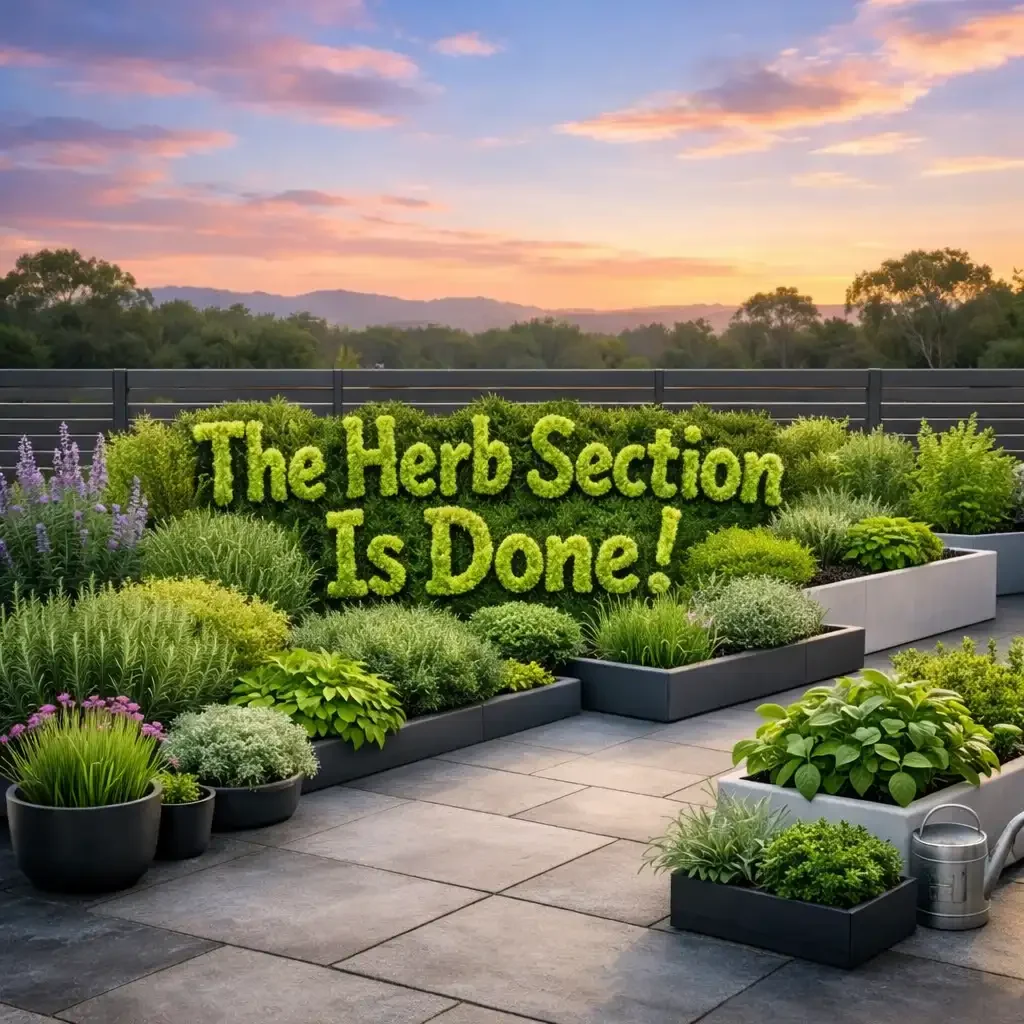
100 individual herb guides are now live. Seven categories, hundreds of hours of research and writing, and one of the most rewarding sections I have built for this site so far. Here is a look at every plant we covered and why each one made the list.
The Herb section has been months in the making. Every guide follows the same standard: taxonomy, active compounds and chemistry, growing zones, soil and light requirements, harvest timing and technique, preparation methods, medicinal and culinary uses where relevant, honest cautions and interactions, and a full accounting of limitations. No filler. No generic advice recycled from seed packet backs.
You can browse the full library here: simitiannest.com/herbs
Below is a quick look at all 100, organized by category, with a summary of what makes each one worth knowing.
KITCHEN HERBS
The herbs grown primarily for flavor, the ones that move from garden to cutting board daily through the growing season. Every guide in this category covers culinary preparation alongside any medicinal or ecological value the plant carries.
Anise
An annual spice herb whose anethole-rich seeds deliver the classic anise flavor used in baked goods, liqueurs, and digestive preparations across Mediterranean and Middle Eastern cooking traditions. Direct sowing is essential as transplanting fails; the plant needs 120 to 140 frost-free days to ripen seed in northern climates. The guide covers the dual harvest of fresh leaves early in the season and seeds at maturity, the Commission E approvals for carminative and expectorant applications, and the important distinctions from star anise and fennel that share similar flavors through entirely different chemistry.
Basil
The definitive warm-season annual of the kitchen garden. Genovese basil for pesto and Italian cooking, Thai basil for Southeast Asian dishes, purple and lemon basils for the table and the salad bowl. The guide covers the succession sowing schedule that keeps fresh basil available all summer, the pinching practice that delays flowering and extends the harvest, and why fresh basil always outperforms dried for any application where the volatile oil is the point.
Bay Leaf
Laurus nobilis is simultaneously a culinary herb, an evergreen container specimen, and a pantry insect deterrent. The guide covers container culture for cold-climate growers who cannot grow bay in the ground, the important distinction between true bay and the toxic cherry laurel that is sometimes sold under the same common name, and the drying approach that maintains the cineole content responsible for bay's distinctive flavor in slow-cooked dishes.
Burnet (Salad Burnet)
One of the most underused evergreen perennial culinary herbs available for the temperate kitchen garden. Salad burnet produces cucumber-flavored leaves through winter in mild climates, tolerates drought exceptionally well once established, and requires almost no maintenance across a long productive life. The guide covers its traditional use in herb vinegars and compound butters and why it belongs in every permanent herb planting.
Caraway
A biennial spice herb that rewards patience with dual harvests: the ferny leaves in the first year and the intensely flavored seeds in the second. Caraway's carvone-rich seeds are essential in rye bread, sauerkraut, and the central European culinary tradition, and the roots are edible as a vegetable in the same way as parsnip. The guide covers the two-year growing cycle, succession planting for continuous harvest, and the digestive carminative chemistry that makes caraway one of the most functionally useful kitchen spices.
Chervil
The most delicate and underappreciated of the fines herbes quartet, with a flavor that combines parsley and anise in a way neither herb alone achieves. Chervil is a cool-season annual that thrives in partial shade where most herbs fail, making it one of the best options for the shadier corners of the kitchen garden. The guide covers the succession sowing schedule for spring and autumn harvests, the low-heat preparation requirement that preserves its volatile flavor, and why it earns its position in classic French cooking alongside tarragon and chives.
Chives
One of the most reliable and lowest-maintenance perennial herbs for any climate, with edible leaves, edible flowers, and genuine allium companion planting value against aphids and carrot fly. The guide covers both common chives and garlic chives, the division schedule that keeps the clump productive year after year, and the culinary applications where the mild onion flavor of fresh chives is irreplaceable.
Cilantro / Coriander
A single plant that provides two entirely distinct harvests: the fresh leaf cilantro used across Mexican, Indian, Southeast Asian, and Middle Eastern cooking, and the dried seed coriander used as a warming spice in breads, curries, and spice blends. The guide covers the bolting management that is the central challenge of cilantro cultivation, the succession sowing schedule that provides continuous fresh leaf through the season, and the slow-bolting varieties that extend the harvest window significantly.
Culantro
The heat-tolerant tropical alternative to cilantro, used across Caribbean, Latin American, and Southeast Asian cooking under names including shado beni, recao, and long coriander. Culantro tolerates the heat and humidity that causes cilantro to bolt immediately, making it the practical choice for warm-climate kitchen gardens. The guide covers its use in sofrito, the flavor intensity that makes a smaller quantity go further than cilantro, and the partial shade preference that distinguishes it from most culinary herbs.
Dill
An annual herb of dual culinary personality: fresh dill leaf for fish, dips, and Scandinavian cooking; dried dill seed for pickling, bread, and spice blends. The guide covers the important detail that dill and fennel should not be planted near each other due to cross-pollination that degrades both plants, the succession sowing schedule for continuous fresh leaf harvest, and the timing distinction between harvesting for leaf versus harvesting for seed.
Epazote
A Mexican and Central American culinary herb with a pungent, distinctive flavor essential in black bean dishes, where it functions simultaneously as a seasoning and as a carminative that reduces the gas-producing effects of beans. Self-seeding prolifically once established in a warm garden, epazote is one of the easiest annuals to maintain as a permanent presence in the kitchen garden without active replanting. The guide covers its chemical complexity, the traditional preparation ratios, and the toxicity caution at very high doses that makes moderate culinary use the appropriate approach.
Garlic (Hardneck)
Hardneck garlic is the choice for cold-climate growers and for anyone who wants variety beyond the commercial standard. Rocambole, Porcelain, and Purple Stripe hardnecks each offer distinct flavor profiles and storage characteristics that supermarket garlic cannot match. The guide covers the fall planting schedule, scapes harvest and use, curing for storage, and the variety selection that matches flavor preferences to growing climate.
Garlic (Softneck)
Softneck garlic is the commercial standard for good reason: longer storage life, adaptability to a wider range of climates including warmer zones where hardneck types struggle, and the braiding quality that makes softneck the classic pantry garlic. Artichoke and Silverskin types each have distinct characteristics. The guide covers the climate matching that determines whether hardneck or softneck is the right choice for a given growing location and the curing approach that maximizes the storage life softneck is known for.
Horseradish
One of the most aggressive and most rewarding root herbs in the kitchen garden. The allyl isothiocyanate released when horseradish root is grated is responsible for the sinus-clearing heat that makes it irreplaceable alongside roast beef, in cocktail sauce, and in the Eastern European culinary tradition. The guide covers the containment strategies that prevent it from taking over the garden, the harvest and preparation technique that preserves maximum heat, and the perennial management that keeps the roots of usable size year after year.
Lovage
A large, vigorous perennial herb with a powerful celery-like flavor that makes it one of the most efficient herbs in the kitchen: a single leaf or two provides the celery flavor that would require an entire stalk of the vegetable. Every part of the plant is edible, including the hollow stems used as a natural drinking straw in Bloody Mary tradition, the seeds used as a celery seed substitute, and the roots prepared as a vegetable. The guide covers managing its considerable size and how to use it across a full season of fresh and preserved harvest.
Marjoram
Sweet marjoram is the more delicate, sweeter sibling of oregano, with a warm, floral complexity that makes it the preferred choice for egg dishes, light sauces, and the German sausage tradition where it is essentially irreplaceable. Tender perennial in zones 9 and warmer, grown as an annual in colder climates. The guide covers the flavor distinction from oregano that justifies growing both, the harvest timing before flowering that captures peak essential oil content, and the drying approach that preserves its more volatile character better than most methods.
Mustard
A fast-growing annual that provides edible leaves, edible flowers, and harvestable seed for homemade mustard condiment and spice use all from the same plant. Mustard's glucosinolate chemistry also makes it one of the most effective biofumigant cover crops available for suppressing soil-borne pathogens and nematodes between productive crops. The guide covers all three culinary species, the seed harvest and grinding technique for fresh mustard, and the cover crop tillage timing that delivers maximum biofumigant benefit.
Oregano
The backbone of Italian and Greek cooking, with a carvacrol and thymol chemistry that is both the source of its flavor and the basis of its well-documented antimicrobial activity. The guide addresses the wide quality range in commercially available oregano plants and the sensory test that reliably identifies high-potency plants worth purchasing, the drying approach that concentrates rather than diminishes flavor, and the variety distinctions between Italian, Greek, and Mexican oregano that matter for culinary application.
Parsley
The most widely used fresh culinary herb in the Western kitchen, with a clean, grassy flavor that brightens and balances other ingredients rather than dominating them. Flat-leaf Italian parsley for cooking, curly for garnish and salads, Hamburg parsley for the edible root. The guide covers the slow germination that catches new growers off guard, the biennial flowering cycle that ends leaf production in the second year, and the iron, vitamin C, and volatile oil content that makes parsley one of the most nutritionally substantive fresh herbs used in everyday cooking.
Rosemary
A perennial culinary herb in mild climates and one of the most productive long-lived kitchen plants a homestead can grow. Rosemary delivers culinary harvest, rosmarinic acid medicinal value, pollinator habitat across a long bloom season, and a structural evergreen presence that most annual herbs cannot match. The guide covers overwintering strategies for cold-climate growers, variety selection for different use cases, and the pruning timing that maintains productive growth without setting the plant back.
Saffron Crocus
The most valuable spice by weight in the world, and entirely practical to grow on a homestead scale where commercial production economics do not apply. Each Crocus sativus flower produces three stigmas that are the saffron of commerce; a modest planting of two hundred corms produces a usable annual harvest. The guide covers the autumn blooming cycle that is the opposite of most bulbs, the hand-harvest timing window of hours when the flowers open, the drying technique that fixes the safranal and crocin compounds responsible for saffron's flavor and color, and the corm division that expands the planting each year.
Sage
A culinary and medicinal perennial of the first rank, with a camphor and thujone chemistry that makes it the definitive herb for pork, poultry stuffing, brown butter, and the Northern Italian tradition of sage-butter pasta. The guide covers the pruning approach that prevents the woodiness that makes old sage plants unproductive, the antimicrobial and menopausal symptom applications backed by clinical research, and the important thujone caution for extended high-dose internal use that distinguishes culinary sage from medicinal supplement forms.
Sorrel
A perennial culinary herb that delivers a bright, lemony-tart flavor from oxalic acid in a way nothing else in the kitchen garden matches. French sorrel is the culinary standard; common sorrel is more productive but coarser. The guide covers the classic sorrel soup and sauce applications, the oxalate content that makes moderation appropriate for people with kidney stones or gout, and the cut-and-come-again management that keeps the planting productive through a long season.
Summer Savory
The traditional bean herb of European cooking, with a peppery, thyme-adjacent flavor that has a specific affinity for legume dishes and fresh green beans. An easy annual that grows quickly from seed and produces abundant harvest through a long season. The guide covers the flavor distinction from winter savory, the traditional pairing logic that makes savory and beans one of the oldest flavor combinations in the Western culinary record, and the straightforward drying approach that preserves its character well.
Tarragon
French tarragon is one of the four classic fines herbes and the herb most responsible for the distinctive flavor of classic French cooking: Bearnaise sauce, tarragon chicken, tarragon vinegar. The guide addresses the critical distinction between French tarragon, which must be vegetatively propagated because it sets no viable seed, and Russian tarragon, which grows easily from seed but has almost none of the estragole-driven flavor that makes French tarragon worth growing. If the plant came from seed, it is almost certainly the inferior Russian type.
Thyme
One of the most broadly useful culinary herbs available, with a thymol and carvacrol chemistry that simultaneously produces the flavor essential to stocks, braises, roasts, and herb blends and delivers documented antimicrobial activity that explains its long use as a food preservative. The guide covers common thyme, lemon thyme, and creeping thyme, the pruning approach that prevents woody unproductive growth, and why thyme is one of the few herbs that dries as well as or better than it performs fresh for cooked applications.
Winter Savory
A semi-evergreen perennial alternative to summer savory with a sharper, more resinous flavor and the practical advantage of year-round harvest in mild climates. Winter savory's stronger character makes it better suited to slow-cooked dishes, game, and robust preparations where summer savory's more delicate flavor would be lost. The guide covers the important pruning practice that prevents winter savory from becoming woody and unproductive and how to use the two savories across the full year of cooking.
MEDICINAL HERBS
Herbs grown primarily for documented therapeutic applications, with chemistry, clinical evidence, preparation methods, and honest cautions covered in each guide. Every medicinal guide addresses active compounds, mechanisms of action, and the interactions and contraindications that matter for safe use.
Aloe Vera
The single most immediately useful first-aid plant available for the homestead kitchen. Aloe vera's acemannan polysaccharide and rosmarinic acid chemistry underpin a burn and wound healing evidence base that is among the strongest for any topical herb. The guide covers the critical gel versus latex distinction that defines correct preparation, the thirty-second fresh-leaf harvest technique that delivers on-demand first-aid gel, container culture for any climate, and the thyroid and internal use cautions that matter for broader use beyond topical application.
Arnica
A topical anti-inflammatory herb with one of the most specific and clearly delineated use profiles in this section: external use only, applied to unbroken skin for bruising, muscle soreness, and joint inflammation. The helenalin sesquiterpene lactone chemistry that makes arnica effective topically is also the reason it is toxic when taken internally. The guide covers the acid soil requirement that limits where it can be grown, the legally protected status in parts of Europe, the NF-kB inhibition mechanism that explains its anti-inflammatory activity, and the contact sensitization risk that requires attention for regular users.
Ashwagandha
The premier Ayurvedic adaptogen with a withanolide chemistry that has generated some of the most robust clinical trial evidence for any adaptogenic herb, including randomized controlled trials showing reductions in cortisol, improvements in stress scores, and enhancements in exercise performance and recovery. The guide covers the 180-day warm-season growing cycle, the root harvest and milk preparation traditional to Ayurvedic use, the thyroid interaction caution that is the opposite of lemon balm's, and the Solanaceae family membership that locates it botanically among tomatoes and peppers.
Astragalus
The foundational immune tonic of Traditional Chinese Medicine, classified as a superior herb in the classical pharmacopoeia for its ability to support rather than stimulate the immune system over long-term use. The guide covers the polysaccharide and saponin chemistry responsible for its immunomodulatory activity, the three-to-seven year root harvest timeline that requires patience, the decoction preparation traditional to TCM use, and the critical species identification caution that distinguishes medicinal Astragalus membranaceus from the toxic North American locoweed species that share the same genus.
Catnip
Far more than a cat entertainment plant. Catnip's nepetalactone and rosmarinic acid chemistry produces genuine anxiolytic and sleep-supporting effects in humans, while the same nepetalactone is a more potent insect repellent than DEET in laboratory comparisons. A drought-tolerant perennial that maintains productivity in poor soils where other medicinal herbs fail. The guide covers the human sedative applications that parallel lemon balm, the mosquito and aphid repellent mechanisms, and the cat behavioral response that makes growing it near paths or in exposed positions a management consideration.
Echinacea
One of the most studied medicinal herbs in the Western pharmacopoeia, with a substantial body of randomized trial evidence for reduction in the duration and severity of upper respiratory infections. The alkylamide and polysaccharide chemistry differs between the three main medicinal species, and the guide covers the important distinction between Echinacea purpurea, Echinacea angustifolia, and Echinacea pallida in terms of active compounds, growing requirements, and the part of the plant used medicinally. A native prairie pollinator plant with exceptional ecological value independent of its medicinal use.
Eucalyptus
The dominant cineole content in eucalyptus essential oil makes it one of the most effective respiratory herbs available, used in steam inhalation, chest rubs, and throat lozenges across multiple pharmaceutical traditions. The guide covers container culture for cold-climate growers where eucalyptus cannot survive outdoors, the steam inhalation preparation that delivers cineole to the respiratory tract most efficiently, the antimicrobial and insect-repellent properties that expand its homestead utility, and the toxicity of undiluted essential oil that requires careful dilution for any skin application.
Feverfew
A perennial herb with one of the most specific medicinal applications in this section: migraine prevention through regular daily consumption of fresh or freeze-dried leaf. The parthenolide chemistry inhibits platelet aggregation and serotonin release, two of the pathways implicated in migraine pathophysiology. The guide covers the fresh leaf preparation that is superior to dried for migraine prophylaxis, the six-to-eight week trial period required before assessing effectiveness, the mouth ulcer side effect that affects a minority of users taking fresh leaf, and the abrupt discontinuation caution.
Horehound
One of the oldest documented medicinal herbs, with a marrubiin diterpene chemistry that explains its persistent use in cough preparations across cultures from ancient Egypt through to the horehound candy of the American general store tradition. A tough, drought-tolerant perennial that grows in poor soils and produces reliable medicinal harvest with minimal care. The guide covers the cough and bronchitis applications validated by Commission E, the throat syrup preparation, and the bitter digestive tonic use that represents its secondary traditional application.
Hyssop
A semi-evergreen perennial of the mint family with pinocamphone-dominant essential oil chemistry that places it among the most potent antimicrobial and expectorant herbs available. Hyssop's blue-violet flower spikes are among the most pollinator-attractive in the herb garden, supporting both honeybees and bumblebees through a long summer bloom season. The guide covers the respiratory and cough applications, the important pinocamphone toxicity caution at essential oil doses that contrasts with the safety of culinary and tea preparations, and the traditional use as a strewing herb and bee forage plant.
Lemon Balm
The most versatile nervine herb in the kitchen garden, with a rosmarinic acid chemistry that simultaneously supports GABA neurotransmission for anxiety and sleep and delivers antiviral activity against herpes simplex virus for topical cold sore treatment. Multiple randomized controlled trials back both applications. The guide covers the thyroid interaction that matters for a significant population of potential users, the volatile oil drying loss that makes fresh leaf preparations superior to dried for culinary use, and the self-seeding management that keeps this vigorous perennial from exceeding its welcome.
Lavender
The linalool and linalyl acetate chemistry of lavender essential oil is among the most studied in aromatherapy and clinical anxiety research, with multiple randomized trials confirming anxiolytic effects from both inhalation and the oral Silexan preparation. The guide covers English, French, and lavandin varieties and their distinct growing requirements and essential oil profiles, the harvest timing that captures peak oil content before the florets fully open, the dried bundle and infused oil preparations, and the pest-deterrent volatile oil properties that earn lavender a secondary role in the Pest-Control category alongside its primary medicinal and tea applications.
Licorice Root
A deep-rooted perennial whose glycyrrhizin chemistry produces one of the most powerful anti-inflammatory, antiviral, and adrenal-supporting compounds available from a culinary or medicinal plant. The guide covers the cortisol-sparing mechanism that makes licorice simultaneously useful for adrenal fatigue protocols and dangerous for people with hypertension, the three-year minimum before the root is ready for harvest, and the deglycyrrhizinated licorice (DGL) preparations that retain the gut-healing demulcent properties while removing the mineralocorticoid activity responsible for most safety concerns.
Milk Thistle
The premier liver-protective herb in Western herbal medicine, with a silymarin flavonolignan complex that is among the most studied plant compounds in hepatology research. Multiple clinical trials have demonstrated liver enzyme normalization and histological improvement in patients with alcoholic liver disease, non-alcoholic fatty liver disease, and toxic hepatitis. The guide covers the seed harvest and preparation methods that deliver therapeutically relevant silymarin doses, the growing requirements for this tall, dramatic thistle, and the integration of seed grinding into daily food preparation as the most practical long-term delivery method.
Motherwort
A bitter nervine and uterine tonic with leonurine and iridoid chemistry that has been used in both European and Chinese herbal traditions for anxiety, heart palpitations, and menstrual irregularity. Commission E approves it for nervous cardiac conditions and as a supportive treatment in thyroid hyperfunction. The guide covers the bitter tincture preparation that delivers the alkaloid fraction most effectively, the significant pregnancy contraindication that is absolute rather than advisory, and the GABA receptor activity that complements its cardiovascular applications.
Mugwort
One of the oldest medicinal herbs in both European and Asian traditions, with sesquiterpene lactone and absinthin chemistry that underlies its use as a digestive bitter, emmenagogue, and nervine. In East Asian medicine, dried mugwort leaf is the material burned in moxibustion. The guide covers the bitter digestive applications, the pregnancy contraindication that is as firm as any in this section, the artemisinin-related chemistry that connects it to the antimalarial drug class, and the pest-deterrent volatile oil properties that give it secondary value in the garden.
Skullcap
A native North American nervine with baicalin flavonoid chemistry that produces reliable anxiolytic and sleep-supporting effects through GABAergic and serotonin pathway modulation. Often compared to valerian but with a more immediate, lighter anxiolytic action and less of the morning grogginess that some people experience with valerian. The guide covers the important adulteration problem in the commercial skullcap market, the tincture preparation that delivers the active baicalin fraction more reliably than tea, and the liver toxicity cases associated with mislabeled products containing germander rather than true skullcap.
Spilanthes (Toothache Plant)
One of the most locally effective analgesic herbs available, with a spilanthol alkylamide chemistry that produces immediate numbing of oral mucosa on contact and broad-spectrum antimicrobial activity that supports its traditional use for toothache, gum infection, and sore throat. The guide covers the fresh flower head preparation for oral applications, the immune-modulating systemic activity that makes spilanthol relevant beyond its topical role, and the growing requirements for this warm-season annual that doubles as a striking ornamental with its gold and red button flowers.
St. John's Wort
One of the most clinically studied medicinal herbs in the world, with meta-analyses of randomized trials finding it equivalent to standard antidepressants for mild to moderate depression with a more favorable side effect profile. The hypericin and hyperforin chemistry that produces these effects is also responsible for the significant drug interaction profile that makes this one of the most important herb-drug interaction discussions in the entire section. The guide covers the proper harvest of the red oil-stained fresh flower buds, the infused oil and tincture preparations, the photosensitization risk at high doses, and the CYP3A4 induction interactions with contraceptives, antiretrovirals, and cyclosporine that are clinically serious.
Valerian
The classic sleep and anxiety herb of European herbal medicine, with valerenic acid chemistry that modulates GABA-A receptors in a mechanism that parallels benzodiazepine drugs without the receptor-binding selectivity. Multiple clinical trials support its use for sleep onset improvement, particularly in combination with lemon balm. The guide covers the root harvest timing and drying approach that preserves valerenic acid content, the isovaleric acid chemistry responsible for the famously unpleasant smell that deters many users from an otherwise effective herb, and the three-to-four week regular use period required before sleep benefits become consistent.
Vervain
A bitter nervine with iridoid glycoside chemistry that occupies a specific niche in herbal medicine as a remedy for tension headaches associated with stress and muscular tightness, liver congestion, and the type of exhaustion that presents as inability to switch off mentally. The guide covers the tincture preparation that captures the bitter fraction most effectively, the tension headache and nervous exhaustion applications that are its most consistently reported clinical uses, and the pregnancy contraindication from the uterine-stimulating alkaloid fraction that is shared with several other herbs in this section.
Wood Betony
A nervine herb with a long and respected history in both European folk medicine and the Eclectic medical tradition, used for digestive disturbances associated with nervous tension, mild anxiety, and the headaches and mental fatigue pattern that characterizes adrenal overextension. The guide covers the tannin and stachydrine alkaloid chemistry, the gentle nature of its action that makes it appropriate for long-term use where stronger nervines would be excessive, and why it remains underrepresented in mainstream herbal medicine relative to the breadth of its traditional applications.
Wormwood
A bitter and aromatic herb with absinthin and thujone chemistry that simultaneously produces the most potent digestive bitter available from the herb garden, the active compound artemisinin used in pharmaceutical antimalarial treatment, and the compound responsible for the neurotoxic effects of absinthe consumed in excess. The guide covers the digestive bitter tincture preparation that is the appropriate homestead application, the livestock internal parasite management use that gives wormwood dual value on working homesteads, and the thujone accumulation toxicity that makes this a herb of careful measurement rather than casual large-dose use.
TEA HERBS
Herbs grown primarily for infusion, whether the application is medicinal, culinary, or simply the pleasure of a well-made cup from the garden. Every guide in this category covers both the preparation technique that extracts the active constituents most effectively and the flavor profile that makes the herb worth drinking.
Bee Balm (Monarda)
Monarda didyma, the scarlet bee balm native to eastern North America, produces a thymol and carvacrol-rich leaf that makes one of the most flavorful medicinal teas in the garden, used historically as a substitute for black tea during the colonial-era boycott that gave it the name Oswego Tea. The extraordinary hummingbird and native bee value of the tubular scarlet flowers gives it ecological value matched by few other herbs. The guide covers both the culinary tea preparation and the antimicrobial and respiratory applications of the volatile oil fraction.
Chamomile
The most universally used medicinal tea herb in the Western tradition, with an apigenin and bisabolol chemistry that delivers gentle anxiolytic, anti-inflammatory, antispasmodic, and sleep-supporting effects in a cup that tastes genuinely pleasant without preparation skill or acquired taste. The guide covers the important distinction between German chamomile for medicinal use and Roman chamomile for ground cover, the correct harvest timing when the petals begin to reflexes back from the disc, and the Commission E approvals for gastrointestinal inflammation and nervous sleep disturbance that validate the traditional applications.
Elderflower
The flowers of Sambucus nigra and Sambucus canadensis are one of the most versatile and least-exploited harvests from a plant more commonly grown for its berries. Elderflower cordial, elderflower fritters, elderflower-infused honey, and elderflower tea for hay fever and upper respiratory catarrh represent a seasonal harvest window of two to three weeks in late spring that rewards prepared growers with one of the most distinctive flavors available from any homestead plant. The guide covers the harvest window, the infusion preparations, and the diaphoretic and anti-inflammatory applications that have made elderflower a European cold and flu remedy for centuries.
Ginger
The gingerol and shogaol chemistry of fresh and dried ginger root makes it one of the most broadly effective culinary medicines available, with anti-nausea activity backed by more clinical evidence than almost any other herb in this section, alongside anti-inflammatory, digestive, and circulatory warming effects that explain its central position in both Ayurvedic and Traditional Chinese Medicine. The guide covers growing ginger in containers for cold climates, the fresh versus dried chemistry distinction that matters for different applications, and the rhizome harvest and storage approach that maintains a year-round pantry supply.
Holy Basil (Tulsi)
The sacred plant of Ayurvedic medicine and one of the most broadly applicable adaptogenic herbs available for daily use as a tea. Eugenol, rosmarinic acid, and ursolic acid chemistry underpin clinical research on cortisol reduction, blood sugar modulation, anti-inflammatory activity, and immune support. The guide covers the three main types, Vana, Rama, and Krishna tulsi, and their distinct flavor and chemistry profiles, the fresh and dried leaf tea preparations that make tulsi the most approachable adaptogen in this section, and the warm-season annual culture for growers outside tropical zones.
Hops
The strobiles of Humulus lupulus are best known as the bittering and flavoring agent in beer, but the 2-methyl-3-buten-2-ol chemistry of hops also produces one of the most reliably sedating plants available for insomnia and anxiety, with clinical trial evidence supporting hop preparations, particularly in combination with valerian, for sleep onset improvement. The guide covers the vigorous annual growth cycle on the perennial rootstock, the harvest timing and drying approach that preserves the sedative hop acids, and why fresh hop pillows have a genuinely evidence-based rationale behind their traditional use.
Lemon Verbena
Aloysia citrodora produces a more intensely lemony fragrance and flavor than any other herb in the garden, with a citral-dominant essential oil that retains its brightness in dried leaf better than lemon balm or lemongrass. Tender perennial requiring indoor overwintering north of zone 9, but worth the container management for the quality of the fresh and dried leaf. The guide covers the container culture program, the harvesting approach that keeps the plant productive, and the digestive and mild nervine applications that complement its primary culinary tea use.
Lemongrass
A tropical grass whose citral-rich stalks and leaves produce the bright lemon flavor essential to Thai, Vietnamese, and broader Southeast Asian cooking, while the essential oil delivers antimicrobial, analgesic, and insect-repellent activity that extends its value well beyond the kitchen. The guide covers container culture for cold climates, the stalk preparation for culinary use, the leaf infusion for tea, and the division schedule that keeps a productive clump manageable through successive seasons.
Mint (Peppermint)
The menthol chemistry of peppermint is both the source of its familiar cooling sensation and the active compound behind one of the most extensively documented medicinal herb applications: enteric-coated peppermint oil capsules for irritable bowel syndrome, with multiple systematic reviews and meta-analyses confirming significant reduction in abdominal pain and cramping. The guide covers the aggressive rhizome spreading that makes containment the central growing concern, the fresh versus dried oil content distinction, and the full range of applications from digestive tea to topical headache treatment to respiratory steam.
Mint (Spearmint)
Carvone rather than menthol defines spearmint's gentler, sweeter flavor profile and makes it the appropriate mint for culinary applications, cold drinks, and mint sauce where peppermint's intensity would dominate. The carvone chemistry also carries anti-androgenic activity that has generated clinical interest for polycystic ovary syndrome management, with spearmint tea showing measurable reductions in free testosterone in two small clinical trials. The guide covers the spreading management, the flavor distinction from peppermint that justifies growing both, and the hormonal interaction that makes this relevant for a specific population of growers.
Nettle (Stinging Nettle)
One of the most nutritionally dense plants available from any temperate garden, with iron, calcium, magnesium, vitamin K, and chlorophyll levels that make dried nettle leaf one of the most practical mineral-supplementing foods available without pharmaceutical intervention. The anti-inflammatory and anti-allergic applications backed by clinical research give it genuine medicinal standing alongside its nutritional value. The guide covers the sting-neutralizing harvest and preparation technique, the spring harvest window for the most nutritious young growth, and the livestock fodder value that makes nettle one of the most productive dual-purpose plants in the homestead garden.
Red Raspberry Leaf
The fragarine alkaloid chemistry of red raspberry leaf has a specific traditional and evidence-informed application for uterine tone and pregnancy preparation that makes it one of the most discussed female reproductive herbs in Western herbal medicine. The guide covers the harvest of leaves from the first-year canes, the preparation protocols appropriate to different stages of reproductive life, the clinical evidence on labor duration that is more mixed than popular accounts suggest, and the livestock reproductive support applications that give it value on homesteads raising goats, sheep, and cattle alongside its human medicinal use.
Roselle (Hibiscus)
The deep ruby calyces of Hibiscus sabdariffa produce a tart, cranberry-adjacent flavored tea with anthocyanin and organic acid chemistry that clinical trials have demonstrated produces meaningful reductions in blood pressure comparable to some first-line antihypertensives. The guide covers the warm-season annual growing requirements, the calyx harvest after the flower petals drop, the fresh and dried tea preparations, the blood pressure research that is among the most impressive clinical evidence for any tea herb in this section, and the natural dye applications from the vivid crimson pigment.
Stevia
A tender perennial grown as an annual in most climates, producing steviol glycoside compounds in its leaves that are two hundred to four hundred times sweeter than sucrose with no caloric content and a glycemic index of zero. The guide covers the container and in-ground growing approaches, the harvest and drying technique that concentrates the sweetening compounds, the fresh leaf preparation as a sweetener in herbal teas, and the honest flavor assessment that acknowledges the distinctive aftertaste that makes stevia a complement to rather than a complete replacement for other sweeteners in most applications.
Yarrow
One of the most complete and ecologically valuable herbs in this entire section: a native prairie perennial with achillin and chamazulene chemistry that backs traditional uses for wound care, fever management, and digestive bitters, a flower that is among the most attractive to beneficial insects and predatory wasps in the homestead garden, and a livestock fodder supplement that has been incorporated into traditional grazing management for its tonic properties. The guide covers the full range of applications from fresh leaf wound styptic to dried flower tea to tincture preparation.
POLLINATOR HERBS
Herbs grown with explicit attention to their value for bees, butterflies, and beneficial insects alongside their culinary or medicinal applications. Every herb on this site supports pollinators to some degree; these guides lead with that value.
Bergamot (Wild)
Monarda fistulosa, the lavender-flowered wild bergamot native to dry prairies and open woodlands across North America, is one of the most ecologically valuable native herbs available for the homestead planting. The carvacrol and thymol chemistry makes it both antimicrobial and highly attractive to a specialist community of native bees that depend on Monarda species for pollen. The guide covers the drought and heat tolerance that makes it more adaptable than scarlet bee balm to difficult growing conditions, the medicinal applications that parallel its cultivated relative, and the prairie restoration context that makes it a meaningful ecological choice beyond its ornamental and medicinal value.
Borage
Borage produces the most consistently bee-visited flowers in the summer herb garden, with pendant blue star-shaped flowers that attract honeybees in numbers that make a planting genuinely audible on a warm morning. The gamma-linolenic acid content of borage seed oil gives it medicinal value well beyond its pollinator function. A prolific self-seeder that establishes itself as a permanent garden presence after the first planting. The guide covers the edible flower and leaf applications, the GLA seed oil preparation, and the cucumber-flavored fresh leaf use in salads and cold drinks.
Calendula
A prolific annual with flavonoid and triterpenoid chemistry that makes it one of the most versatile wound-healing and anti-inflammatory herbs in the homestead medicine cabinet, while the continuously produced orange and yellow flowers support pollinators through a remarkably long season from early summer until hard frost. The guide covers the daily deadheading that maintains continuous bloom and harvest, the infused oil and salve preparation that are the standard topical applications, and the natural dye properties that make calendula one of the most useful fiber-dyeing plants in the herb garden.
Nasturtium
Every part of nasturtium is edible: the peppery leaves in salads and wraps, the flowers as a garnish with genuine flavor rather than mere color, the unripe seed pods pickled as a caper substitute. The glucosinolate chemistry that produces this peppery flavor also delivers antimicrobial and expectorant activity that supports the traditional use for respiratory infections. A companion planting classic that attracts aphids away from vulnerable crops and simultaneously draws the beneficial insects that manage aphid populations. The guide covers all culinary applications and the trap cropping management that puts nasturtium's aphid attraction to productive use.
LIVESTOCK-SUPPORT HERBS
Herbs with documented value as fodder supplements, reproductive tonics, milk-production supports, or natural parasite management tools for homestead animals. Every guide in this category addresses species-specific applications and appropriate dosing for animal use.
Angelica
A tall, dramatic biennial of the carrot family with furanocoumarins and essential oil chemistry that has been used across Scandinavian, Northern European, and Arctic Indigenous traditions as a digestive tonic, expectorant, and livestock supporting herb. Every part of angelica is aromatic and useful: the stems candied as a confection, the seeds flavoring spirits including gin and vermouth, the root prepared as a medicinal bitter. The guide covers the photosensitization risk from its furanocoumarins, the cultivation of this impressive biennial that needs planning due to its two-year cycle, and the livestock digestive support applications documented in the traditional herding cultures of Scandinavia.
Burdock
The deep tap root of burdock, known in Japanese cuisine as gobo, is one of the most prebiotic-rich root vegetables available from any biennial herb, with inulin fructooligosaccharide content that feeds beneficial gut bacteria in both humans and livestock. The large leaves make effective fodder supplementation for ruminants, and the inulin-rich root has documented blood sugar modulating effects. The guide covers the two-year growing cycle, the deep root harvest that requires significant effort, the culinary preparations of the first-year root, and the livestock feeding protocols that use burdock as a digestive health supplement.
Chickweed
A cool-season annual weed that most homesteaders manage rather than grow, but one with genuine value as a high-nutrition forage supplement for poultry and small livestock. The vitamin C, iron, and saponin content of chickweed makes it a meaningful supplement to the winter diet of chickens, rabbits, and goats during the cool months when it is most productive. The guide covers harvesting chickweed from the garden as a useful byproduct rather than a pure nuisance, the fresh and dried preparation for poultry supplementation, and the mild topical anti-inflammatory applications for minor skin irritation in both animals and people.
Comfrey
Comfrey Bocking 14, the sterile hybrid selected for maximum production and minimal invasive seed spreading, is one of the most productive perennial plants available for a homestead system that integrates livestock, soil health, and human medicine. The allantoin chemistry promotes cell division and wound healing in topical applications; the deep tap root mines minerals from subsoil layers and makes them available in the leaf; the leaf protein content is high enough to supplement livestock rations. The guide covers the pyrrolizidine alkaloid internal use caution that is the central safety consideration, the liquid fertilizer preparation that extracts the mineral value, and the wound-healing topical applications backed by randomized clinical trial evidence.
Dandelion
The most nutritionally dense common weed available, with taraxacin bitter chemistry, prebiotic inulin content, and mineral accumulation from deep tap roots that makes dandelion one of the most valuable free-growing livestock supplements on any homestead that allows it to establish. Every part is usable: root as a coffee substitute and liver bitter, leaf as a diuretic mineral-rich salad green, flower as a fermented wine or vinegar ingredient, whole plant as a high-value forage supplement. The guide covers harvest throughout the season, the medicinal bitter preparation, and the livestock feeding value that makes managing dandelion a harvest rather than a weed control problem.
Marshmallow (Althaea officinalis)
The mucilage polysaccharide chemistry of marshmallow root and leaf makes it one of the most effective demulcent herbs available, coating and soothing irritated mucous membranes throughout the digestive and respiratory tract with a physical mechanism that is immediate and reliable regardless of the inflammation's cause. The cold water infusion preparation that extracts maximum mucilage without heat degradation is one of the most important preparation distinctions in this entire section. The guide also covers marshmallow as a livestock feed supplement for animals with digestive irritation and the historical confection connection to the original marshmallow candy made from the root.
Mullein
A tall, architectural biennial whose large, softly hairy leaves and saponin-rich chemistry make it one of the most used respiratory herbs in North American folk medicine, with expectorant, anti-inflammatory, and antiviral activity that supports its traditional use for bronchitis, asthma, and dry hacking coughs. The infused flower ear oil application for otitis media pain is one of the most widely discussed topical uses and has some clinical trial support. The guide covers the two-year growing cycle, the leaf and flower harvest, the tea and tincture preparations, and the livestock respiratory support applications that give it value on homesteads with sheep and cattle prone to respiratory illness.
Plantain (Plantago)
Plantago major and Plantago lanceolata, the two common plantain species found in almost every temperate garden, are among the most broadly useful first-aid plants available for immediate topical application to insect stings, minor cuts, and skin irritation, requiring nothing more than chewing the fresh leaf to activate the aucubin and allantoin chemistry and applying it directly to the affected area. The guide covers the antimicrobial and wound-healing chemistry, the respiratory leaf tea applications, and the livestock supplementation value that makes plantain one of the most productive dual-purpose weeds on a working homestead.
Wormwood
See also Medicinal Herbs above. Wormwood's absinthin bitter chemistry delivers documented internal parasite suppression in small ruminants when incorporated into a rotational grazing or direct supplementation protocol, making it one of the most practically valuable pest-management herbs on livestock homesteads. The guide covers the livestock dosing approach, the integration with other anthelmintic herbs in a holistic parasite management program, and the safe administration protocols that avoid the thujone accumulation that makes high doses problematic for both animals and people.
PEST-CONTROL HERBS
Herbs grown for their documented ability to deter insect pests, repel problem animals, or suppress weeds and pathogens, whether through volatile oil emission, companion planting effects, or biofumigant soil action.
Rue
One of the oldest companion planting herbs in the European tradition, with a strong aromatic volatile oil that deters Japanese beetles, aphids, and carrot fly and repels cats and dogs from treated areas. The guide addresses the furanocoumarins in rue's sap that cause severe phytophotodermatitis on skin exposed to sunlight after contact, which elevates handling requirements well above most herbs in the garden. Despite this, rue earns its place as one of the most effective aromatic pest deterrents available and as a historically significant medicinal herb with a long documented tradition.
Tansy
A vigorous perennial whose thujone-rich volatile oil has been used as an insect repellent, ant deterrent, and fly-deterring strewing herb for centuries. Tansy bundles hung in a homestead kitchen or barn are one of the oldest documented fly control methods in the European agricultural tradition. The guide covers the invasive potential that requires management in most growing contexts, the important internal toxicity warning that makes tansy a topical and companion planting herb rather than a medicinal tea or food herb, and the ecological value of the flat-topped yellow flower clusters for beneficial parasitoid wasps.
TRADITIONAL ROOT HERBS
Herbs whose primary medicinal or culinary harvest comes from the root rather than the leaf or flower, requiring longer establishment timelines and more considered harvest planning than above-ground herbs. Every guide in this category covers the multi-year development period, the harvest technique that preserves root quality, and the processing and preservation approaches that maintain the active compounds through storage.
Elecampane
A tall, dramatic perennial with inulin-rich roots and sesquiterpene lactone chemistry that makes it one of the most effective respiratory and antimicrobial herbs in the Western tradition, documented from ancient Greek medicine through Nicholas Culpeper and into the Eclectic medical tradition. The alantolactone in the root has demonstrated activity against Mycobacterium tuberculosis in laboratory studies. The guide covers the two-to-three year establishment before root harvest, the autumn or early spring digging that captures peak inulin and sesquiterpene content, the tincture and decoction preparations, and the bronchitis and chronic respiratory infection applications that represent its most consistent traditional and clinical use.
Fennel
A perennial herb of multiple personalities: the bulb-forming Florence fennel grown as a vegetable, the seed-producing common fennel grown as a spice and digestive herb, and the bronze fennel grown primarily as an ornamental. Trans-anethole chemistry produces the distinctive anise flavor in both leaf and seed and delivers the carminative and digestive activity that Commission E has approved for dyspepsia and catarrh of the upper respiratory tract. The guide covers the cross-pollination avoidance that is essential when growing fennel and dill together, the seed harvest and the bulb harvest as separate management approaches, and why fennel's relationship to other garden plants makes its placement one of the more considered decisions in the herb garden layout.
Fenugreek
An annual legume whose bitter, maple-syrup-scented seeds and leaves are foundational to Indian cooking and whose diosgenin saponin chemistry has generated clinical research for blood sugar modulation, milk production support in nursing mothers, and testosterone support in men. The guide covers the fast-growing nitrogen-fixing annual culture, the seed harvest and preparation for cooking and for medicinal use, the sprouting application that makes fenugreek one of the most immediately productive homestead herbs with no growing space required, and the strong odor that transfers to sweat and breast milk at medicinal doses, which is the most practically important side effect to know about.
Ginseng
American ginseng and Asian ginseng are among the most studied and most economically valuable medicinal roots in the world, with ginsenoside chemistry that has been examined in hundreds of clinical trials across conditions from cognitive performance to immune function to blood sugar management. The guide covers the six-to-ten year minimum growing period before harvest-quality roots develop, the specific forest understory growing conditions required for American ginseng cultivation, the important distinction between American and Asian ginseng in terms of the ginsenoside profile and the Traditional Chinese Medicine classification of their energetic properties, and the sustainable wildcrafting considerations for a species under significant collection pressure.
Juniper
Juniperus communis produces the berry that flavors gin and is used medicinally as a urinary antiseptic and digestive bitter across Northern European herbal traditions. The guide covers the long berry development timeline from flower to ripe berry across two years on the same plant, the identification practice required to distinguish common juniper from the few toxic juniper species, the important kidney contraindication that limits medicinal internal use to short courses, and the culinary applications in game marinades, sauerkraut, and Nordic cuisine where juniper berry is an irreplaceable flavoring agent.
Turmeric
The curcumin chemistry of turmeric has generated one of the largest bodies of laboratory and clinical research for any medicinal herb, examining anti-inflammatory, antioxidant, neuroprotective, and anticancer mechanisms across hundreds of studies. The guide addresses the bioavailability problem that is the central issue with curcumin supplementation, the piperine and fat co-administration strategies that substantially increase absorption, the growing approach for this tropical rhizome in containers and warm gardens, the harvest and fresh rhizome preservation, and the culinary integration that is the most practical and sustainable delivery method for regular curcumin intake.
100 guides. Seven categories. Every one researched, written, and built to the same standard as everything else on this site. The Herb section is now one of the most comprehensive homestead herb libraries I know of, and I am genuinely proud of how it came together.
If there is a herb you would like to see added, leave a comment below. The library will keep growing as new plants earn their place on the list.
Browse the full Herb section here: simitiannest.com/herbs
Happy Growing!